
Is Boba Gluten Free?

Quick Answer
Is Boba Gluten Free?
Tapioca pearls are naturally safe, but flavored syrups and shared shop equipment are real risks worth knowing before it's packed for school.
Packing a treat for a kid's after-school routine sometimes means a boba tea run, and it's worth knowing what actually varies before assuming any cup is safe. Is boba gluten free? Tapioca pearls themselves are naturally low-risk, but flavored syrups and shared shop equipment are real risks that vary by shop and flavor.
Gluten Risk at a Glance
- Verdict: It varies (medium confidence)
- Natural gluten risk: 2/10
- Cross-contact risk: 7/10
- Label reliability: 5/10
- Celiac disease safe: conditional
- Gluten sensitivity (NCGS) safe: conditional
- Primary concern: cross-contact and ingredients in boba tea
- Gluveto Safety Score: 5.4/10
Does Boba Contain Gluten?
Tapioca pearls, the classic "boba" in boba tea, are made from cassava root starch, which keeps natural gluten risk low, at 2 out of 10. So is boba gluten free at its base? Mostly, but the flavored syrups and toppings that make up the rest of a typical boba tea order are where the real risk starts.
Cross-Contamination: The Real Risk
Cross-contact risk is high, at 7 out of 10, coming from shared equipment in boba shops and flavored syrups that can contain gluten - malt flavoring and barley-based sweeteners are real, specific risks in some syrup recipes, not a general cross-contact maybe. Label reliability is low, at 5 out of 10, since boba shop menus rarely spell out syrup ingredients.
How Risky Is Boba for Celiacs?
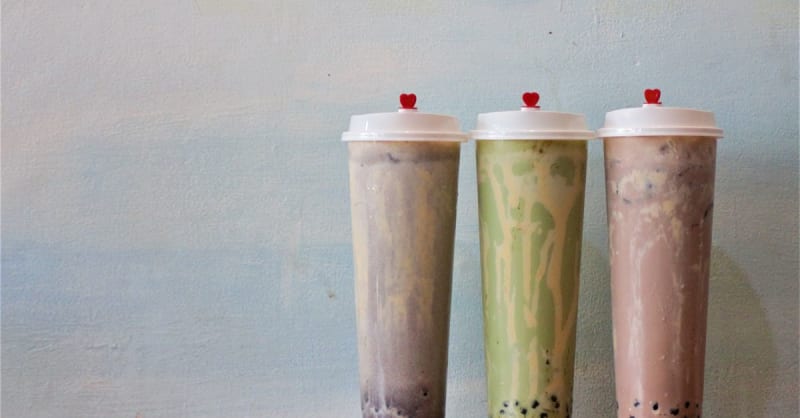
Boba made with certified gluten-free tapioca pearls and a confirmed-safe syrup, prepared with attention to shared shop equipment, is safe with real confidence. What keeps boba conditional rather than a flat yes is that a typical boba tea order bundles several ingredients together, tea, milk or creamer, tapioca pearls, and flavored syrup, and any one of those components can introduce gluten through malt flavoring or barley-based sweeteners specifically, on top of the shared-equipment risk common to any busy shop. A reader asking about the syrup ingredients directly, rather than assuming tapioca pearls settle the question, is the difference between a safe and unsafe order here.
The Version That Matters
| Flavor | Risk Level | Why |
|---|---|---|
| Classic Milk Tea | Check-label | Syrup and creamer ingredients vary by shop |
| Taro | Check-label | Taro flavoring recipes vary by shop |
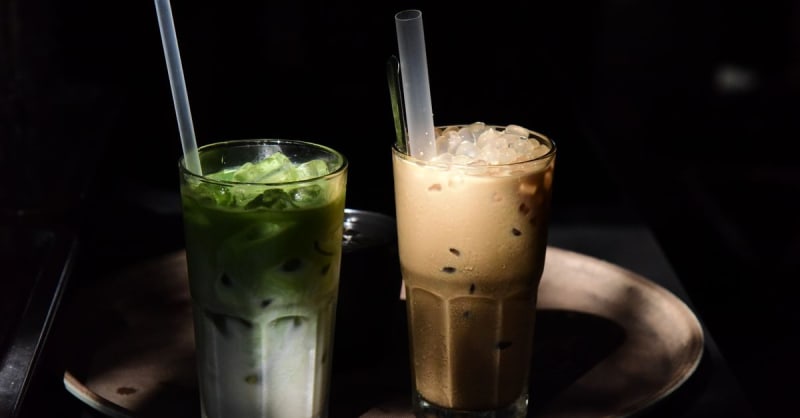
| Matcha | Check-label | Matcha syrup formulations vary by shop |
| Brown Sugar | Check-label | Brown sugar syrup can contain malt-based sweeteners |
Country of preparation matters too - in some countries, boba pearls themselves may use wheat-based thickeners rather than pure tapioca starch, a detail worth asking about for imported or specialty products.
Getting Boba Safely into Your Kitchen
Ask a boba shop directly about their syrup ingredients and whether malt flavoring or barley-based sweeteners are used, rather than assuming tapioca pearls alone settle the question. Making boba at home with certified gluten-free tapioca pearls and a confirmed-safe syrup is a reliable way to control every ingredient directly.
Mistakes People Make with Boba
- Assuming tapioca pearls mean the whole drink is safe. The pearls are usually low-risk, but the syrup is where the real risk often lives.
- Not asking about brown sugar syrup specifically. Some brown sugar syrup recipes use malt-based sweeteners - ask directly rather than assuming.
- Trusting a "popular" boba shop without asking. Popularity doesn't correlate with gluten-free practices - ask every time, even at a favorite spot.
- Skipping the question about shared shaker equipment. Boba drinks are often shaken in shared equipment across flavors - a genuine cross-contact path worth asking about.
Free Download
57 Hidden Gluten Ingredients to Avoid
The printable cheat sheet for scanning any label with confidence.
No spam. Unsubscribe anytime.
Bottom Line - Is Boba Gluten Free?
Tapioca pearls were never the main issue - flavored syrups and shared shop equipment are the real things worth asking about before ordering. Is boba gluten free enough to order without asking? No - check the syrup ingredients and shop practices, or make it at home with certified gluten-free pearls and syrup.
Editorial Process
This article was written and reviewed by the Gluveto Editorial Team for factual accuracy, gluten-free safety, and alignment with current FDA labeling guidance.
We reference trusted organisations including the Celiac Disease Foundation and the FDA when evaluating foods and ingredients.