
Is Soy Sauce Gluten Free?

Quick Answer
Is Soy Sauce Gluten Free?
Traditional soy sauce is brewed with wheat and contains real gluten - tamari is the gluten-free swap worth packing for a kid's lunch instead.
Packing edamame or a sushi-style lunch for a kid usually means a little soy sauce packet along with it, and that packet is worth a second look. Is soy sauce gluten free? Traditional soy sauce is brewed with wheat as a core ingredient, not a cross-contact risk, which puts it among the lower safety scores tracked on this site - tamari is the swap to reach for instead.
Gluten Risk at a Glance
- Verdict: It varies (medium confidence)
- Natural gluten risk: 8/10
- Cross-contact risk: 7/10
- Label reliability: 5/10
- Celiac disease safe: conditional
- Gluten sensitivity (NCGS) safe: conditional
- Primary concern: wheat content in traditional soy sauce
- Gluveto Safety Score: 3/10
Where Gluten Can Hide in Soy Sauce
Traditional soy sauce is brewed with wheat as a deliberate ingredient, not a byproduct of shared equipment, which puts natural gluten risk at 8 out of 10 - near the higher end of what this site tracks. So is soy sauce gluten free by default? No - assume any bottle labeled simply "soy sauce" contains wheat unless it specifically says otherwise, the same way you'd treat a loaf of bread.
Watch Out for Cross-Contact
On top of the base-ingredient risk, cross-contact adds another 7 out of 10, coming from:
- Shared manufacturing equipment
- Restaurant preparation, where sauces are frequently poured from shared bottles into multiple dishes
Traditional soy sauce often contains wheat, and restaurant kitchens compound the risk further - a shared soy sauce bottle used across an entire kitchen means even a dish that should be gluten-free can pick up traditional soy sauce through a shared marinade brush or serving spoon. Label reliability is low, at 5 out of 10.
What Celiac Readers Need to Know
Tamari and other genuinely wheat-free soy sauce alternatives are safe with real confidence, since they're brewed without wheat from the start rather than having gluten removed afterward. What makes "soy sauce" as a category conditional rather than a flat no is that gluten-free versions exist and are widely available - this isn't a food with no safe option, unlike couscous or Ezekiel bread. The risk concentrates entirely in assumption: treating any bottle labeled just "soy sauce" as safe without checking for tamari or a specific gluten-free label.
The Version That Matters
| Variant | Status |
|---|---|
| Low Sodium | Depends on brand |
| Organic | Depends on brand |
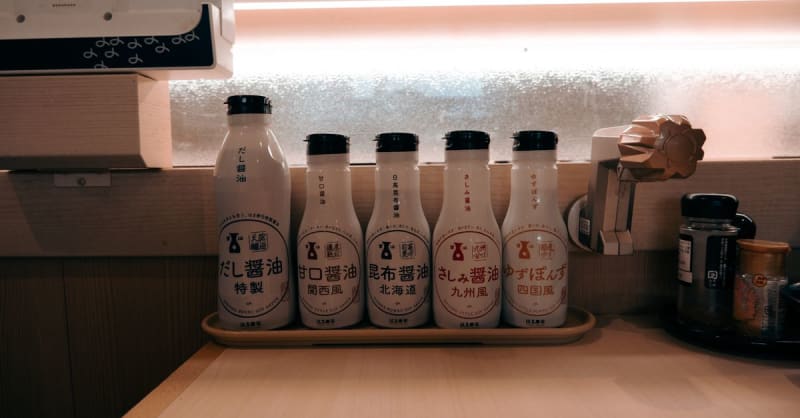
Neither "low sodium" nor "organic" labeling tells you anything about gluten content - both variants still depend entirely on whether the brand brews with wheat, so check each one independently rather than assuming a healthier-sounding label means gluten-free. One more regional note worth knowing: Japanese soy sauce typically contains wheat, while Chinese soy sauce may use less, though neither assumption should replace checking the specific bottle.
Brands: What's Actually Safe
As stated by each brand. Always check the current label.
| Brand | Status | Notes |
|---|---|---|
| San-J Tamari | Certified GF | Brewed without wheat from the start |
| Kikkoman Gluten-Free Tamari | Certified GF | Separate certified line from Kikkoman's traditional soy sauce |
Both brands make tamari specifically, which is the reliable swap-in for traditional soy sauce in nearly any recipe or dipping use.

Picking a Safe Version
Tamari and coconut aminos are common gluten-free alternatives worth keeping on hand, especially for a household packing lunches. Soy sauce shows up across Asian cuisine, marinades, and dipping sauces - dipping sauces specifically are the trickiest for a lunchbox, since a small individual packet gives no room for an ingredient list.
Storage: store in a cool, dry place.
Free Download
Hidden Gluten in Sauces, Condiments & Dips
A safe / check-label / high-risk checklist for the sauce aisle and your fridge door.
No spam. Unsubscribe anytime.
Mistakes People Make with Soy Sauce
- Packing a restaurant soy sauce packet without checking the brand - most packet soy sauce is traditional and wheat-based. Fix: pack a small bottle of tamari from home instead.
- Assuming "reduced sodium" soy sauce is also gluten-free - sodium content and gluten content are unrelated. Fix: check specifically for wheat or a gluten-free claim, not the sodium label.
- Using a shared soy sauce bottle at a restaurant for both regular and "gluten-free" orders - cross-contact happens at the table, not just in the kitchen. Fix: ask for a sealed, dedicated gluten-free soy sauce or tamari packet.
- Assuming coconut aminos taste identical to soy sauce - it's a genuinely different flavor profile, not a 1:1 swap. Fix: taste-test coconut aminos in a low-stakes recipe before relying on it for a dish everyone eats.
Bottom Line - Is Soy Sauce Gluten Free?
Traditional soy sauce is a real, deliberate gluten source, not a cross-contact maybe - tamari is the fix, not a compromise. Is soy sauce gluten free enough to pack in a lunchbox without checking? No - reach for San-J or Kikkoman's tamari line instead, and treat any unlabeled bottle as containing wheat.
Editorial Process
This article was written and reviewed by the Gluveto Editorial Team for factual accuracy, gluten-free safety, and alignment with current FDA labeling guidance.
We reference trusted organisations including the Celiac Disease Foundation and the FDA when evaluating foods and ingredients.