
Is Buckwheat Gluten Free?

Quick Answer
Is Buckwheat Gluten Free?
Yes - despite the name, buckwheat is naturally gluten-free. Cross-contact risk means brand choice matters more than usual.
Despite the name, buckwheat has nothing to do with wheat. Is buckwheat gluten free enough to trust while traveling or eating out? The seed itself always is, but cross-contact risk runs higher here than for most grains, so a certified brand matters more away from your own kitchen than it does at home.
Gluten Risk at a Glance
- Verdict: Yes (high confidence)
- Natural gluten risk: 0/10
- Cross-contact risk: 5/10
- Label reliability: 7/10
- Celiac disease safe: conditional
- Gluten sensitivity (NCGS) safe: conditional
- Primary concern: cross-contact during processing
- Gluveto Safety Score: 7.4/10
Where Gluten Can Hide in Buckwheat
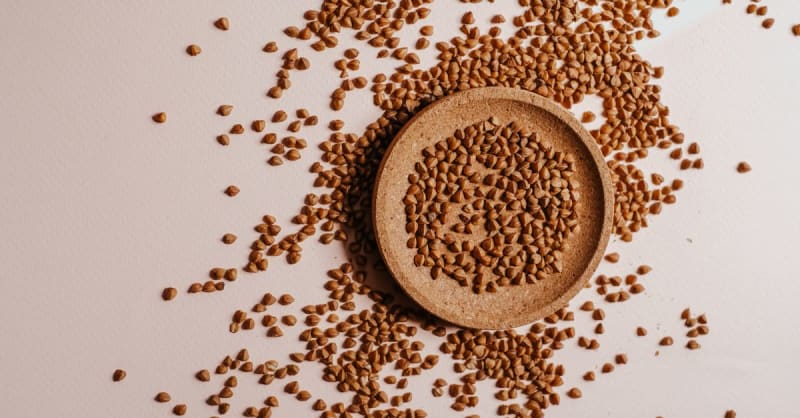
The honest answer is: nowhere, in the seed itself. Buckwheat isn't related to wheat botanically - it's a fruit seed, closer to rhubarb than to any cereal grain - and it carries none of the proteins that trigger a celiac reaction, putting natural gluten risk at a flat 0 out of 10. It's also high in fiber and protein, which is part of why it's popular in gluten-free baking. So is buckwheat gluten free despite what the name suggests? Completely - the name is a historical mismatch, not a warning label.
Watch Out for Cross-Contact
Cross-contact risk is elevated at 5 out of 10, coming from:
- Shared equipment
- Farming practices that put buckwheat near gluten-containing grains
There's real risk of cross-contact with gluten-containing grains during processing, since buckwheat is often grown and milled in facilities that also handle wheat. Label reliability sits at 7 out of 10 - decent, but not high enough to skip checking on an uncertified product.
How Risky Is Buckwheat for Celiacs?
"Conditional" here traces back to the same shared-equipment reality that drives the cross-contact score. Buckwheat processed on dedicated gluten-free lines is close to risk-free - the seed itself has nothing in common with wheat. What breaks the clean yes is how often buckwheat and wheat share farm equipment and mills, since they're sometimes grown in overlapping regions and rotations. Celiac disease and gluten sensitivity face the same underlying risk here: it's a supply-chain question, not a property of the plant.
Shopping by Brand
As stated by each brand. Always check the current label.
| Brand | Status | Notes |
|---|---|---|
| Bob's Red Mill | Certified GF | States gluten-free status directly on the package |
| Arrowhead Mills | Certified GF | Long-standing gluten-free grain and flour line |
Both brands are worth defaulting to given the elevated cross-contact risk above.
Your Safe-Shopping Checklist
Buckwheat can be used as a gluten-free alternative to wheat in most recipes that need a hearty grain or flour. It shows up most often in gluten-free baking and gluten-free cooking specifically, which means it's usually already being sought out by people paying attention - the risk is buying an uncertified bag out of habit.
Storage: store in a cool, dry place. Gluten-free alternatives: quinoa, amaranth, and millet all work as swaps if you want variety.
Mistakes People Make with Buckwheat
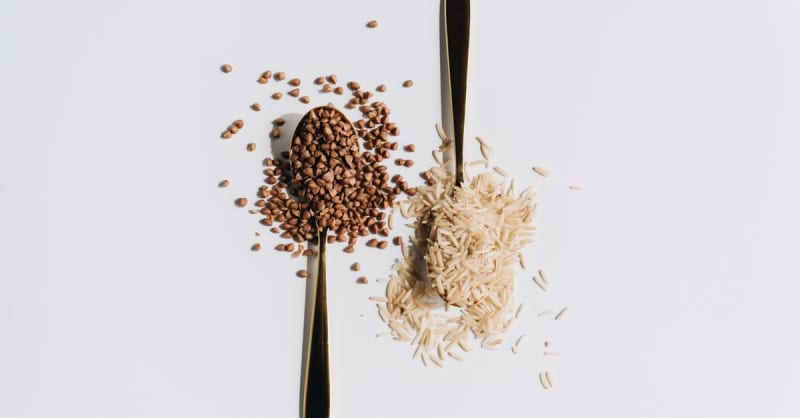
- Assuming the name means it contains wheat - it doesn't, but the confusion cuts both ways: some people also assume it's automatically 100% safe because of this, skipping the label. Fix: check for certification regardless of what the name implies.
- Buying bulk-bin buckwheat while traveling - bulk bins pool product and scoops across bins. Fix: buy sealed, labeled packages instead.
- Trusting buckwheat noodles (soba) without checking - many soba noodles are blended with wheat flour. Fix: look specifically for "100% buckwheat" on soba products.
- Not asking at restaurants serving buckwheat-based dishes - kitchens sometimes use shared equipment for grains. Fix: ask directly if you're strict about cross-contact while traveling.
Free Download
57 Hidden Gluten Ingredients to Avoid
The printable cheat sheet for scanning any label with confidence.
No spam. Unsubscribe anytime.
Bottom Line - Is Buckwheat Gluten Free?
Buckwheat earns a genuine yes at the seed level, with a real cross-contact caveat that tracks its farming and processing history, not its name. Is buckwheat gluten free enough to buy without checking the brand? Not quite - certification is worth the extra step here, especially away from home.
Editorial Process
This article was written and reviewed by the Gluveto Editorial Team for factual accuracy, gluten-free safety, and alignment with current FDA labeling guidance.
We reference trusted organisations including the Celiac Disease Foundation and the FDA when evaluating foods and ingredients.