
Is Bulgur Gluten Free?

Quick Answer
Is Bulgur Gluten Free?
No - bulgur (bulgur wheat) is made from wheat berries and contains gluten. Quinoa, rice, or buckwheat are the reliable gluten-free swaps.
When ordering Mediterranean or Middle Eastern cuisine, dishes like tabbouleh and grain salads often feature bulgur (bulgur wheat) as their foundational grain. Is bulgur gluten free? No - standard bulgur is 100% whole wheat, making this an unambiguous, high-confidence no for anyone avoiding gluten.
Gluten Risk at a Glance
- Verdict: No (high confidence)
- Natural gluten risk: 10/10
- Cross-contact risk: 0/10
- Label reliability: 10/10
- Celiac disease safe: no
- Gluten sensitivity (NCGS) safe: no
- Primary concern: bulgur is cracked whole wheat and naturally contains gluten
- Gluveto Safety Score: 6.0/10
Does Bulgur Contain Gluten?
Bulgur is produced by parboiling, drying, and cracking whole wheat groats (typically durum wheat). Because wheat is the sole ingredient rather than an additive, the natural gluten risk is at the absolute maximum of 10 out of 10. Does processing or parboiling alter the gluten content? No - parboiling gelatinizes starches for quicker cooking, but leaves the underlying gluten protein matrix intact. There is no such thing as a naturally gluten-free wheat berry.
Watch Out for Cross-Contact
Cross-contact risk does not apply in the typical facility sense here (rated 0 out of 10), because gluten is not an incidental trace allergen - it is the fundamental food itself. Label reliability is at 10 out of 10, as packaged bulgur is clearly labeled under grain labeling standards.
Mediterranean Dishes and Dining Out
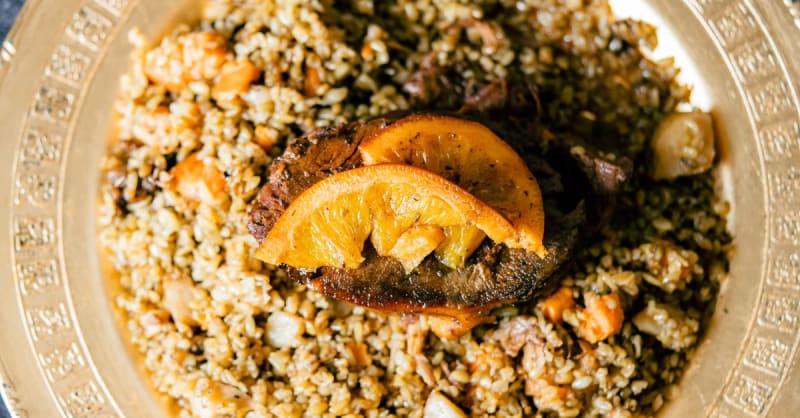
Bulgur appears prominently across Middle Eastern, Turkish, and Mediterranean culinary traditions:
- Tabbouleh (Tabouli) - Traditionally made with parsley, tomatoes, mint, and a bulgur base.
- Kibbeh - Minced meat croquettes encased in a cracked wheat shell.
- Pilafs and grain bowls - Frequently substituted for rice in savory side dishes.
When dining out, three specific questions ensure safety:
- Is this grain bowl or tabbouleh prepared with bulgur or cracked wheat?
- Can the kitchen prepare a customized salad using a quinoa or rice substitute?
- Are the gluten-free grains prepared using separate cookware and utensils away from bulgur pilafs?
Is It Safe with Celiac Disease?
Bulgur carries an absolute no for both celiac disease and non-celiac gluten sensitivity. Unlike oats or cornstarch, where safety hinges on manufacturing purity or label certification, bulgur has zero safe conventional variations. Ingesting even modest quantities of cracked wheat prompts the autoimmune intestinal damage characteristic of celiac disease.
Safe Gluten-Free Grain Swaps
Those seeking the chewy texture and nutty flavor of cracked wheat can swap in these naturally gluten-free grains:
- Quinoa - Fluffy, protein-rich, and the premier direct substitute for tabbouleh salads.
- Millet - Mild and slightly nutty with a grain size remarkably close to fine bulgur.
- Buckwheat groats (Kasha) - Despite "wheat" in the name, buckwheat is a gluten-free pseudocereal seed with robust, hearty flavor.
- Brown rice or sorghum - Excellent chewy bases for warm pilafs and stews.
Mistakes People Make with Bulgur
- Confusing bulgur with quinoa in grain salads - While similar in culinary presentation, quinoa is a gluten-free seed while bulgur is cracked wheat.
- Assuming "parboiled" or "steamed" means gluten has been removed - Heat and moisture cook the grain, but do not degrade gluten proteins.
- Overlooking pre-mixed soup and grain blends - Packaged bean and grain soup mixes frequently include cracked wheat as an unannounced filler.
- Thinking "cracked wheat" is different from bulgur - Both terms describe the exact same wheat-based ingredient.
Free Download
57 Hidden Gluten Ingredients to Avoid
The printable cheat sheet for scanning any label with confidence.
No spam. Unsubscribe anytime.
Bottom Line - Is Bulgur Gluten Free?
Bulgur is whole wheat parboiled and cracked into grains. There is no ambiguity or conditional scenario: bulgur contains gluten and must be avoided completely by individuals with celiac disease. Request quinoa, brown rice, or buckwheat when ordering grain-based dishes.
Editorial Process
This article was written and reviewed by the Gluveto Editorial Team for factual accuracy, gluten-free safety, and alignment with current FDA labeling guidance.
We reference trusted organisations including the Celiac Disease Foundation and the FDA when evaluating foods and ingredients.