
Is Farro Gluten Free?

Quick Answer
Is Farro Gluten Free?
No - farro is a type of wheat and contains gluten. Here's what that means for Italian dishes, salads, and soups.
No - farro is a type of wheat, so this is a straightforward one for a family managing a celiac diagnosis. Is farro gluten free just because it's marketed as an "ancient grain"? Not even close - ancient grain is a marketing category, not a safety claim, and farro sits firmly on the wheat side of that line.
Gluten Risk at a Glance
- Verdict: No (high confidence)
- Natural gluten risk: 10/10
- Cross-contact risk: 0/10 - not the relevant concern here
- Label reliability: 10/10
- Celiac disease safe: no
- Gluten sensitivity (NCGS) safe: no
- Primary concern: farro is a type of wheat and contains gluten
- Gluveto Safety Score: 6/10
Where Gluten Can Hide in Farro
There's no hiding to speak of - farro is an ancient variety of wheat, not a wheat-adjacent grain, which puts natural gluten risk at the maximum, 10 out of 10. So is farro gluten free in any preparation, whole-grain or pearled? No - every form of farro is wheat, and no amount of cooking or processing changes that.
How Farro Picks Up Gluten Along the Way
Cross-contact isn't the relevant question here, which is why that score sits at 0 out of 10 - farro doesn't need to pick up gluten from elsewhere, since it already is a wheat product. What matters instead is label reliability, which is a perfect 10 out of 10: farro is consistently and clearly identified as wheat on packaging and menus, so there's no ambiguity to untangle the way there is with cross-contact-prone foods.
How to Buy and Use It Safely
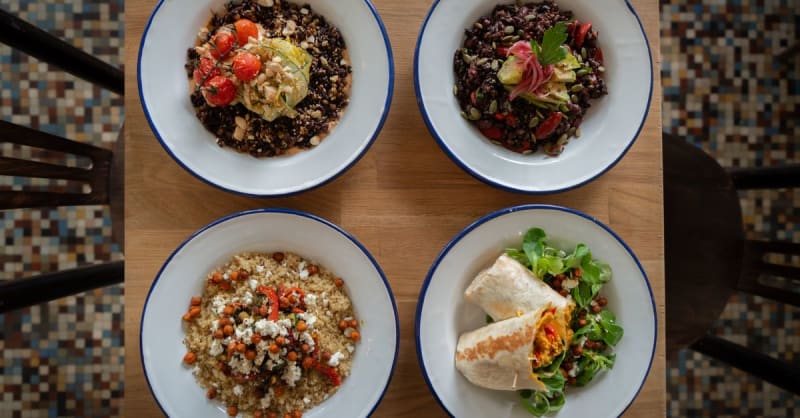
Farro shows up most in Italian cuisine, salads, and soups - all three are places a family managing one celiac member's diet needs a clear substitute rather than a "maybe safe" workaround. Consider using gluten-free grains like quinoa or rice instead, both of which hold up well in the same dishes farro typically appears in. Full swap list: quinoa, rice, and buckwheat.
Celiac Disease and Farro: The Honest Answer
There's no conditional here - farro earns a clean, unambiguous no for both celiac disease and gluten sensitivity. Natural gluten risk sits at the maximum score because farro is literally a wheat variety, not a food that occasionally carries gluten through processing or shared equipment. No dedicated gluten-free version exists, and none could - a "gluten-free farro" would be a different grain wearing the same name. Combined with perfect label reliability, this is one of the more straightforward no verdicts a family can plan around.
Mistakes People Make with Farro
- Assuming "ancient grain" means gluten-free - it's a marketing term, not a safety claim, and several ancient grains (farro included) are wheat. Fix: check the actual grain name, not the marketing category.
- Ordering a "farro salad" at a restaurant without asking - it's easy to assume a salad is automatically gluten-free. Fix: always confirm the grain in a grain salad before ordering.
- Confusing farro with a gluten-free grain by sound or spelling - it doesn't resemble a familiar gluten-free option, but the unfamiliar name can still lead to a guess. Fix: when in doubt, ask what farro actually is before ordering.
- Assuming pearled or semi-pearled farro is safer - pearling changes texture and cook time, not gluten content. Fix: treat every form of farro the same way - as wheat.
Free Download
57 Hidden Gluten Ingredients to Avoid
The printable cheat sheet for scanning any label with confidence.
No spam. Unsubscribe anytime.
Bottom Line - Is Farro Gluten Free?
Farro is one of the clearest no answers on this site - it's wheat, full stop, with perfect label reliability to back that up. Is farro gluten free in any dish, however it's dressed up on a menu? No. Quinoa, rice, or buckwheat cover the same recipes without the risk.
Editorial Process
This article was written and reviewed by the Gluveto Editorial Team for factual accuracy, gluten-free safety, and alignment with current FDA labeling guidance.
We reference trusted organisations including the Celiac Disease Foundation and the FDA when evaluating foods and ingredients.