
Is Gin Gluten Free?

Quick Answer
Is Gin Gluten Free?
Plain gin is generally safe even though it's often grain-based - distillation is why, and a bartender's flavored pour is the real thing to ask about.
Ordering a gin and tonic at a restaurant feels automatic, which is exactly why it's worth a second look before the order goes in. Is gin gluten free? Plain gin is generally safe despite often being distilled from grain, since distillation removes the gluten protein - flavored or botanical-heavy gins are where a real question is worth asking the bartender.
Gluten Risk at a Glance
- Verdict: It varies (medium confidence)
- Natural gluten risk: 2/10
- Cross-contact risk: 3/10
- Label reliability: 6/10
- Celiac disease safe: conditional
- Gluten sensitivity (NCGS) safe: conditional
- Primary concern: added flavorings in flavored gins
- Gluveto Safety Score: 7.2/10
Does Gin Contain Gluten?
Gin is typically distilled from a grain mash - often wheat, barley, or rye - then redistilled with juniper and other botanicals for flavor, which puts natural gluten risk at a low but real 2 out of 10. So is gin gluten free despite the grain base? Generally yes, for plain gin - the distillation process, not the starting grain, is what determines whether gluten protein makes it into the bottle.
Cross-Contamination: The Real Risk
Cross-contact risk adds a modest 3 out of 10, coming from:
- Shared bottling lines
- Flavored additives introduced after distillation
Flavored gins may have gluten-containing additives blended in after the base spirit is distilled, which is the real point of risk in an otherwise low-risk category. Label reliability sits at a middling 6 out of 10, since gin bottles rarely spell out gluten status directly, leaving buyers to rely on general category knowledge.
How Risky Is Gin for Celiacs?
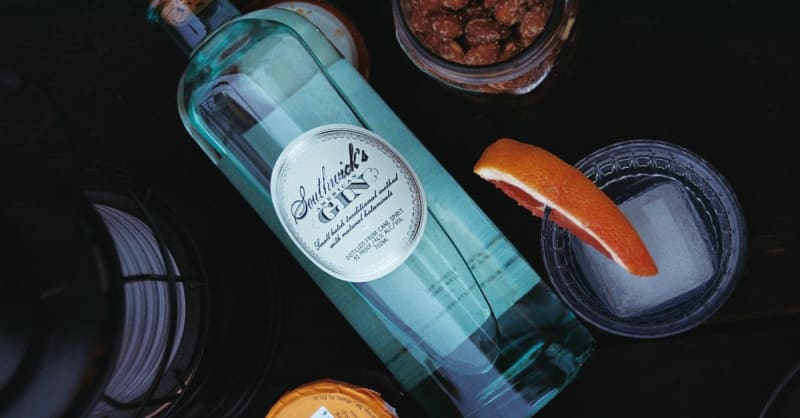
Plain distilled gin is safe with real confidence for celiac disease, even when made from wheat, barley, or rye, because distillation separates the alcohol from the proteins - gluten included - left behind in the mash. What keeps gin conditional as a category rather than a flat yes is entirely about flavored or heavily botanical products: some flavored gins add ingredients after distillation that carry their own gluten risk, unrelated to the base spirit's grain source. When ordering at a restaurant, a plain gin and tonic is a safe default; a flavored or house-infused gin cocktail is the one worth a direct question to the bartender.
Flavor by Flavor: What's Actually Safe
| Variant | Status |
|---|---|
| Plain distilled | Usually safe |
| Flavored | Check label |
Plain distilled gin carries the low risk described above regardless of brand. Flavored gin - and any bartender-made infusion - needs its own check, since the added ingredient is a separate question from the base spirit.
Brands: What's Actually Safe
As stated by each brand. Always check the current label.
| Brand | Status | Notes |
|---|---|---|
| Bombay Sapphire | Widely considered safe | Plain distilled gin; no formal gluten-free certification known |
| Tanqueray | Widely considered safe | Plain distilled gin |
| Hendrick's | Widely considered safe | Plain distilled gin with botanical infusion, not post-distillation flavoring |
| Beefeater | Safe, uncertified | Plain distilled gin |
| Gordon's | Safe, uncertified | Plain distilled gin |
None of these five carry a known formal third-party gluten-free certification - gin as a category generally doesn't - but all are plain distilled gins with no post-distillation flavoring added.
Getting Gin Safely into Your Kitchen
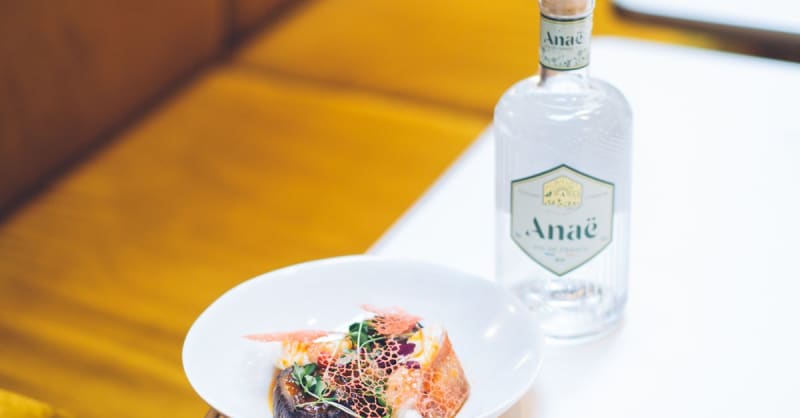
Order a plain gin and tonic or a classic martini at a restaurant without much hesitation, and save the direct question for anything described as house-infused or flavored. Gin shows up in cocktail bars, home bars, and liquor stores, and the same logic applies in each: plain is the safe default, flavored deserves a specific check. A certified gluten-free vodka is an equally safe substitute if a specific gin can't be confirmed.
Free Download
57 Hidden Gluten Ingredients to Avoid
The printable cheat sheet for scanning any label with confidence.
No spam. Unsubscribe anytime.
Mistakes People Make with Gin
- Avoiding gin entirely because it's often wheat or barley-based - the grain source doesn't matter once distillation is complete. Fix: treat plain gin the same as any other plain distilled spirit.
- Assuming a botanical-heavy gin is riskier than a simple one - the number of botanicals doesn't correlate with gluten risk; post-distillation flavoring does. Fix: ask specifically whether flavoring was added after distillation, not how many botanicals are listed.
- Not asking about a bartender's house-infused gin - infusions made in-house can include ingredients with real gluten risk. Fix: ask what's in a house infusion before ordering it.
- Assuming all gin cocktails are automatically safe because the gin is safe - mixers, syrups, and garnishes are a separate question from the base spirit. Fix: ask about the full cocktail, not just the gin.
Bottom Line - Is Gin Gluten Free?
Plain gin is a reliably safe order even with a grain base, since distillation does the real work of removing gluten protein. Is gin gluten free enough to order without a second thought at a restaurant? For a plain gin and tonic, yes - save the questions for anything flavored or house-infused.
Editorial Process
This article was written and reviewed by the Gluveto Editorial Team for factual accuracy, gluten-free safety, and alignment with current FDA labeling guidance.
We reference trusted organisations including the Celiac Disease Foundation and the FDA when evaluating foods and ingredients.