
Is Honey Gluten Free?

Quick Answer
Is Honey Gluten Free?
Yes - honey is naturally gluten-free with one of the highest safety scores tracked on this site. Here's why, plus the rare cross-contact note.
Rebuilding a pantry after a new celiac diagnosis usually means sorting foods fast, and honey belongs firmly in the easy pile. Is honey gluten free? Yes - it's made by bees from flower nectar, with no gluten grain anywhere near the process, and it carries one of the highest safety scores tracked on this site.
Gluten Risk at a Glance
- Verdict: Yes (high confidence)
- Natural gluten risk: 0/10
- Cross-contact risk: 2/10
- Label reliability: 8/10
- Celiac disease safe: yes
- Gluten sensitivity (NCGS) safe: yes
- Primary concern: cross-contact during processing
- Gluveto Safety Score: 8.8/10
Where Gluten Can Hide in Honey
Honey is made by bees from flower nectar, with no gluten grain involved anywhere in that process, which keeps natural gluten risk at a genuine 0 out of 10. So is honey gluten free at the ingredient level? Yes, without qualification - this is one of the cleanest verdicts tracked on this site.
Cross-Contamination: The Real Risk
Cross-contact risk is minimal, at just 2 out of 10, with the small risk coming from shared equipment if a facility also processes gluten-containing grains. Label reliability is strong, at 8 out of 10, meaning honey labeling is genuinely trustworthy across most brands.
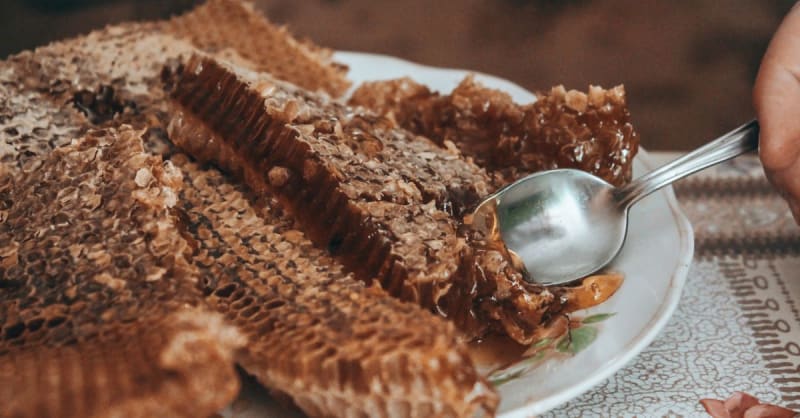
Getting Honey Safely into Your Kitchen
Honey rarely needs a certified gluten-free label to be trusted, since the natural risk is essentially zero and cross-contact risk is low across the category. It's used constantly in baking, sweetening beverages, and general cooking, and can be treated as a safe default in any of those uses. Store it in a cool, dry place, and reach for agave syrup or maple syrup if a different sweetener is preferred for a specific recipe.
How Risky Is Honey for Celiacs?
Honey carries a clean, high-confidence yes for both celiac disease and gluten sensitivity - not a conditional verdict. That confidence comes directly from the numbers: a 0 out of 10 natural gluten risk means there's no gluten-containing ingredient in the product at all, a low 2 out of 10 cross-contact score means shared-equipment risk is minor rather than a real concern, and a strong 8 out of 10 label reliability score means honey is rarely mislabeled or complicated by manufacturers. Together, those three numbers are what separate a genuine, confident yes from foods on this site that only look simple on the surface.
Mistakes People Make with Honey
- Assuming flavored or specialty honey needs extra scrutiny. Pure honey, flavored with fruit or spices, stays low-risk - it's blended honey products with non-honey additives that deserve a closer look.
- Worrying about "raw" versus "processed" honey for gluten. That distinction affects nutrition and texture, not gluten risk - both are naturally gluten-free.
- Skipping the label on imported honey. Most imported honey is still clean, but it's worth a quick check for any added ingredients, since standards vary more by country.
- Confusing honey-flavored cereal or snacks with plain honey. The honey itself is safe, but the product it's mixed into may not be - check that separately.
Free Download
57 Hidden Gluten Ingredients to Avoid
The printable cheat sheet for scanning any label with confidence.
No spam. Unsubscribe anytime.
Bottom Line - Is Honey Gluten Free?
Honey is about as clean a verdict as this site tracks - a bee-made product with no gluten grain anywhere near the process. Is honey gluten free enough to use without a second thought? Yes - this is a safe pantry staple across virtually every brand.
Editorial Process
This article was written and reviewed by the Gluveto Editorial Team for factual accuracy, gluten-free safety, and alignment with current FDA labeling guidance.
We reference trusted organisations including the Celiac Disease Foundation and the FDA when evaluating foods and ingredients.