
Is Hummus Gluten Free?

Quick Answer
Is Hummus Gluten Free?
The chickpeas and tahini are never the problem - modified food starch and malt vinegar are the two hidden risks worth checking for.
Ordering at a restaurant or grabbing takeout usually puts hummus on the table as an easy shared appetizer, which makes it worth a real look before assuming it's automatically safe. Is hummus gluten free? Its base ingredients, chickpeas and tahini, are naturally gluten-free, but modified food starch and malt vinegar are real hidden risks in some recipes worth checking for.
Gluten Risk at a Glance
- Verdict: It varies (medium confidence)
- Natural gluten risk: 2/10
- Cross-contact risk: 5/10
- Label reliability: 6/10
- Celiac disease safe: conditional
- Gluten sensitivity (NCGS) safe: conditional
- Primary concern: cross-contact and added ingredients
- Gluveto Safety Score: 6.4/10
Does Hummus Contain Gluten?
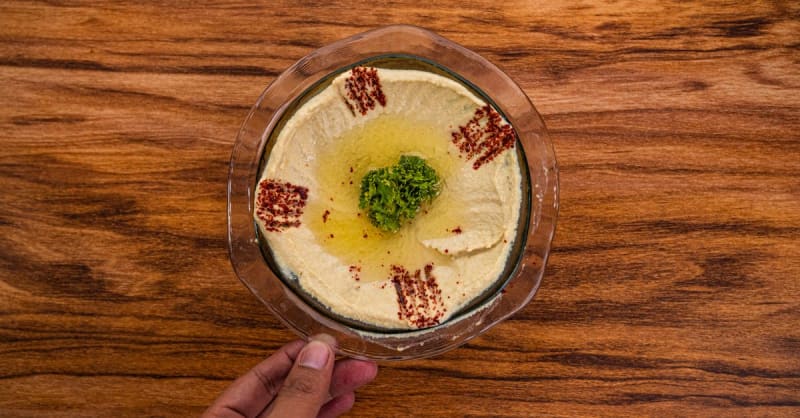
Plain hummus is chickpeas, tahini, olive oil, and lemon juice, none of which carry any gluten risk, which keeps the natural gluten risk score low, at 2 out of 10. So is hummus gluten free in its classic recipe? Yes, largely - the small remaining risk comes from added ingredients like modified food starch or malt vinegar in some commercial versions, not the traditional base recipe.
How Hummus Picks Up Gluten Along the Way
Cross-contact risk sits at a real 5 out of 10, coming from shared equipment and, notably, bulk bins - hummus sold from a shared deli counter or bulk container carries more risk than a sealed, individually packaged tub. Label reliability is decent, at 6 out of 10.
How Risky Is Hummus for Celiacs?
Hummus made from verified gluten-free ingredients, without cross-contact from shared equipment, is safe with real confidence, since chickpeas and tahini were never a gluten source. What keeps hummus conditional rather than a flat yes is that "hummus" covers everything from a sealed, certified tub to a scoop from a shared deli counter, and modified food starch or malt vinegar show up as real ingredients in some commercial recipes - not every hummus is the same product just because they share a name.
Not All Hummus Is the Same
| Variant | Risk Level | Why |
|---|---|---|
| Roasted Red Pepper | Usually safe | Standard flavor addition, low risk |
| Garlic | Usually safe | Standard flavor addition, low risk |
| Spicy | Check-label | Spice blends vary by brand |
Regional recipe differences matter too: Middle Eastern preparations typically rely on tahini alone, while some Western versions add extra flavoring ingredients that are worth a closer look.
Which Brands Actually Get This Right
As stated by each brand. Always check the current label.
| Brand | Status | Notes |
|---|---|---|
| Sabra | Certified GF | Widely available, reliable labeling |
| Boar's Head | Certified GF | Certified gluten-free hummus line |
Both are dependable defaults for grabbing hummus off a store shelf. Deli-counter or bulk-bin hummus is the harder case, since shared scoops and containers are a real cross-contact source regardless of the recipe itself.
Picking a Safe Version
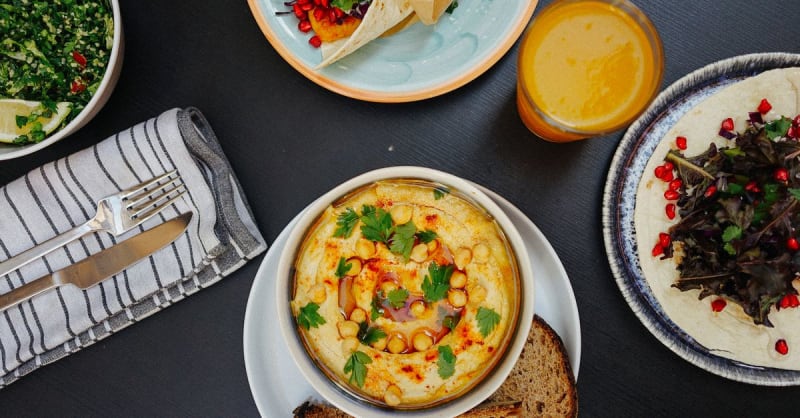
Stick to sealed, individually packaged hummus from a certified brand rather than a shared deli counter or bulk bin when cross-contact is a concern. Making hummus at home is a reliable way to control every ingredient directly, since the traditional recipe of chickpeas, tahini, olive oil, and lemon juice carries virtually no risk. Homemade hummus or a simple bean dip are dependable substitutes if a specific commercial tub can't be confirmed.
Free Download
Hidden Gluten in Sauces, Condiments & Dips
A safe / check-label / high-risk checklist for the sauce aisle and your fridge door.
No spam. Unsubscribe anytime.
Bottom Line - Is Hummus Gluten Free?
Chickpeas and tahini were never the issue - modified food starch, malt vinegar, and shared deli equipment are the real things worth checking. Is hummus gluten free enough to grab from any deli counter without asking? Not quite - Sabra and Boar's Head are safer sealed options, and a shared bulk bin deserves a second thought.
Editorial Process
This article was written and reviewed by the Gluveto Editorial Team for factual accuracy, gluten-free safety, and alignment with current FDA labeling guidance.
We reference trusted organisations including the Celiac Disease Foundation and the FDA when evaluating foods and ingredients.