
Is Miso Gluten Free?

Quick Answer
Is Miso Gluten Free?
Traditional miso paste is sometimes made with barley - a good one to sort out before it goes into a school lunch marinade or dressing.
Miso paste is a handy staple for a quick marinade or dressing in a kid's lunch, which makes it worth a real look at the label before it becomes a lunchbox regular. Is miso gluten free? It depends on the paste - traditional miso can be made with barley or wheat alongside soybeans, so only a paste specifically labeled gluten-free is reliably safe.
Gluten Risk at a Glance
- Verdict: It varies (medium confidence)
- Natural gluten risk: 5/10
- Cross-contact risk: 6/10
- Label reliability: 5/10
- Celiac disease safe: conditional
- Gluten sensitivity (NCGS) safe: conditional
- Primary concern: barley or wheat in miso paste
- Gluveto Safety Score: 4.6/10
So, Is There Actually Gluten in It?
Miso paste is traditionally made by fermenting soybeans with a grain - and that grain is sometimes barley or wheat, not always rice. That puts natural gluten risk at a real 5 out of 10. So is miso gluten free by default because it's a soybean product? No - the fermenting grain matters just as much as the soybeans do, and it isn't always listed clearly on the front of the package.
Cross-Contamination: The Real Risk
Cross-contact risk adds another 6 out of 10, coming from:
- Shared fermentation equipment
- Shared processing facilities
Miso can be made with barley or wheat, which are gluten-containing grains, and shared fermentation vats or processing lines add further risk even for a rice-based miso. Label reliability is low, at 5 out of 10, which means the word "miso" on a package tells you less than it should about what's actually inside.
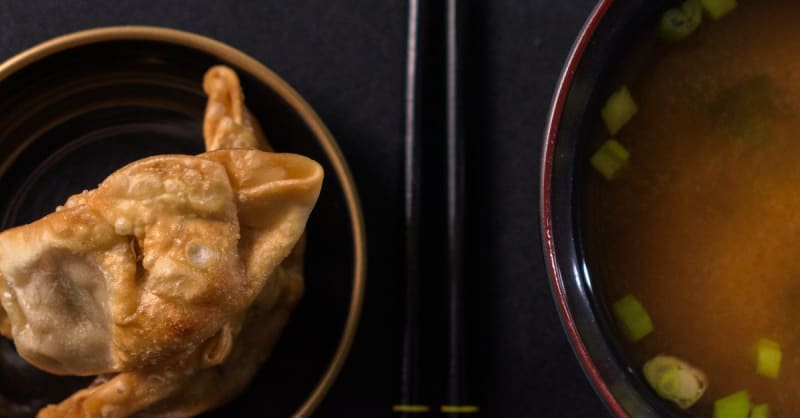
Is It Safe with Celiac Disease?
Miso made from rice or soybeans alone, with no barley or wheat in the fermentation process, is safe with real confidence - that's the standard certified brands like Miso Master and Eden Foods are built around. What makes miso conditional rather than a flat no is that genuinely gluten-free versions are real and available, not a compromise; this isn't a food with no safe option. The complexity is entirely in the fermenting grain choice, which varies by recipe and brand in a way that isn't always obvious from the packaging alone.
Brands Worth Trusting
As stated by each brand. Always check the current label.
| Brand | Status | Notes |
|---|---|---|
| Miso Master | Certified GF | Miso paste made without barley or wheat |
| Eden Foods | Certified GF | Rice-based miso paste line |
Both brands remove the fermenting-grain guesswork specifically - worth defaulting to for anything going in a kid's lunch marinade or dressing.
How to Buy and Use It Safely
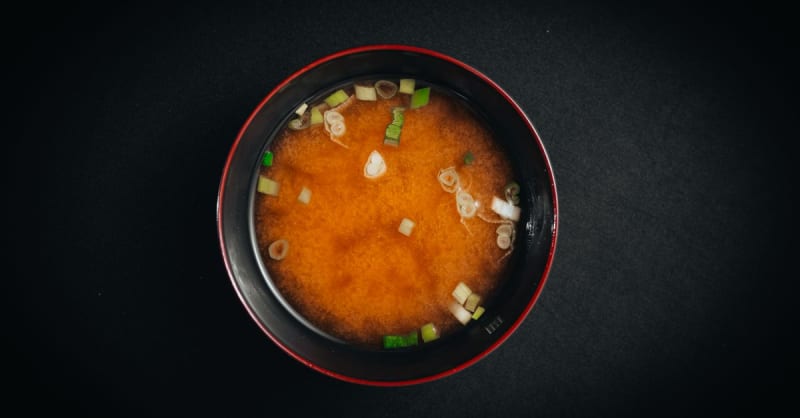
Look for a certified gluten-free miso paste specifically rather than assuming any tub labeled "miso" is safe. Miso shows up in Japanese cuisine, soup bases, and marinades - marinades in particular are easy to overlook as a gluten source, since the paste gets mixed into other ingredients and the label rarely gets a second look once it's in regular rotation. Gluten-free tamari or coconut aminos can stand in for soy sauce in a homemade miso-based dressing if the goal is avoiding this whole category of questions.
Questions Worth Emailing the Manufacturer
Three questions worth asking if a miso label isn't clear:
- Is this miso paste fermented with rice, or with barley or wheat?
- Is it processed on shared equipment with barley or wheat-based products?
- Is this specific product certified gluten-free?
Free Download
57 Hidden Gluten Ingredients to Avoid
The printable cheat sheet for scanning any label with confidence.
No spam. Unsubscribe anytime.
Bottom Line - Is Miso Gluten Free?
Miso's risk comes down to one specific choice in the recipe - which grain it was fermented with - and that choice isn't always obvious from the label. Is miso gluten free enough to use in a lunchbox marinade without checking? No - Miso Master or Eden Foods remove the guesswork and are worth keeping on hand instead.
Editorial Process
This article was written and reviewed by the Gluveto Editorial Team for factual accuracy, gluten-free safety, and alignment with current FDA labeling guidance.
We reference trusted organisations including the Celiac Disease Foundation and the FDA when evaluating foods and ingredients.