
Is Miso Soup Gluten Free?

Quick Answer
Is Miso Soup Gluten Free?
The soy sauce in the broth is the real question, not the miso itself - a good one to sort out before it goes in a kid's lunch thermos.
Packing a thermos of miso soup for a kid's lunch seems like a simple, comforting choice, until the ingredient list gets a real look. Is miso soup gluten free? It depends on what went into the broth - the miso paste itself can be barley-based, and soy sauce added for flavor often contains wheat, so only a soup made with verified gluten-free ingredients is reliably safe.
Gluten Risk at a Glance
- Verdict: It varies (medium confidence)
- Natural gluten risk: 5/10
- Cross-contact risk: 6/10
- Label reliability: 6/10
- Celiac disease safe: conditional
- Gluten sensitivity (NCGS) safe: conditional
- Primary concern: wheat-based soy sauce
- Gluveto Safety Score: 4.8/10
The Gluten Question, Answered
Miso soup has two possible gluten sources built into a traditional recipe: the miso paste itself, which is sometimes made with barley, and soy sauce added for flavor, which is traditionally wheat-based. That puts natural gluten risk at a real 5 out of 10. So is miso soup gluten free just because it's mostly broth? No - both the paste and the seasoning need to be checked, not just assumed clean because the soup looks simple.
Cross-Contamination: The Real Risk
Cross-contact risk adds another 6 out of 10, coming from:
- Shared manufacturing equipment
- Soy sauce used as a flavoring addition
Soy sauce often contains wheat unless specified gluten-free, and this compounds with miso paste production, which can happen on equipment shared with barley-based products. Label reliability sits at a middling 6 out of 10, since a packet of instant miso soup rarely spells out whether the paste or the seasoning packet is the risk.
How Risky Is Miso Soup for Celiacs?
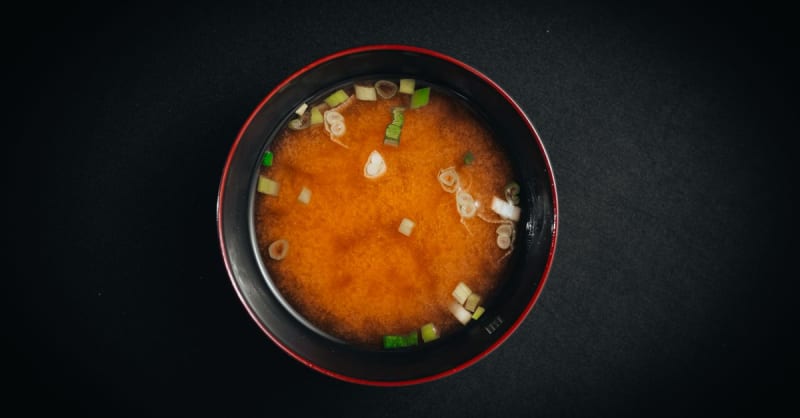
Miso soup made with a genuinely gluten-free miso paste and tamari instead of traditional soy sauce is safe with real confidence - that's the standard certified brands like Miso Master are built around. What makes miso soup conditional rather than a flat no is that safe versions exist and aren't hard to make at home; this isn't a food with no good option. The risk concentrates in two separate ingredients rather than one, which is what trips people up - clearing the miso paste doesn't automatically clear the soy sauce, and vice versa, so both need their own check.
Not All Miso Soup Is the Same
| Variant | Status |
|---|---|
| Restaurant miso soup (Japan-style) | Check label |
| Restaurant miso soup (Western-style) | Check label |
| Homemade with gluten-free miso and tamari | Usually safe |
| Instant packet | Check label |
Japanese-style miso soup often uses barley-based miso, while Western-style versions vary more by restaurant. Homemade soup built from a confirmed gluten-free miso paste and tamari is the most reliably safe version. Instant packets need their own ingredient check every time, since the seasoning packet is a separate product from the miso itself.
Which Brands Actually Get This Right
As stated by each brand. Always check the current label.
| Brand | Status | Notes |
|---|---|---|
| Miso Master | Certified GF | Miso paste made without barley or wheat |
| Kikkoman | Certified GF (Gluten-Free Tamari line) | Separate certified tamari line from Kikkoman's traditional soy sauce |
Miso Master covers the paste itself, and Kikkoman's gluten-free tamari line covers the seasoning side - between the two, a homemade bowl of miso soup can be built entirely from verified ingredients.
How to Buy and Use It Safely
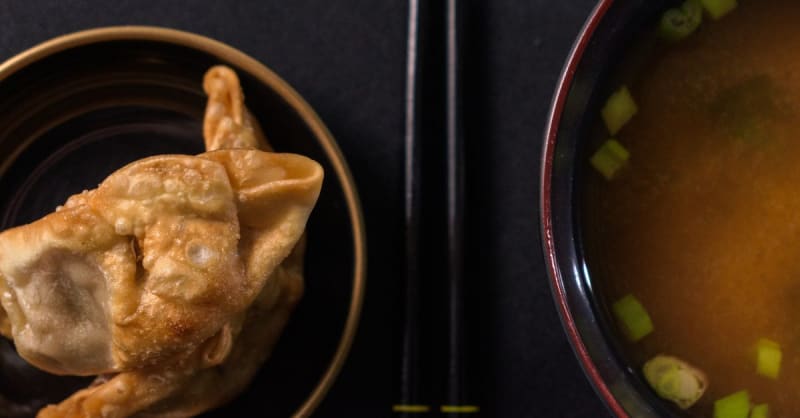
Use gluten-free soy sauce or tamari for a safer option when making miso soup at home, and pair it with a confirmed gluten-free miso paste like Miso Master rather than assuming any miso is automatically safe. Miso soup shows up at Japanese restaurants and in pre-packaged soup mixes, and both settings deserve the same two-part check - the paste and the seasoning - before it goes into a lunch thermos.
Free Download
57 Hidden Gluten Ingredients to Avoid
The printable cheat sheet for scanning any label with confidence.
No spam. Unsubscribe anytime.
Mistakes People Make with Miso Soup
- Assuming miso soup is automatically gluten-free because it's mostly broth - both the miso paste and the soy sauce used for flavor can be gluten sources. Fix: check both ingredients separately, not just the overall dish.
- Clearing the miso paste and assuming that clears the whole bowl - the soy sauce added for flavor is a separate ingredient with its own gluten risk. Fix: confirm both the paste and any added soy sauce or tamari.
- Ordering miso soup at a restaurant without asking about the broth base - some restaurants use a house dashi or broth base that includes soy sauce. Fix: ask specifically what's in the broth, not just whether the miso itself is gluten-free.
- Assuming an instant miso soup packet is the same recipe as homemade - packet seasoning blends often include additional wheat-based ingredients not present in a simple homemade version. Fix: read the full ingredient list on any instant packet before packing it for a kid's lunch.
Bottom Line - Is Miso Soup Gluten Free?
Miso soup has two separate gluten questions hiding in one bowl - the paste and the soy sauce - and clearing one doesn't clear the other. Is miso soup gluten free enough to pack in a lunch thermos without checking? No - build it at home with Miso Master paste and Kikkoman's gluten-free tamari, or confirm both ingredients directly with a restaurant.
Editorial Process
This article was written and reviewed by the Gluveto Editorial Team for factual accuracy, gluten-free safety, and alignment with current FDA labeling guidance.
We reference trusted organisations including the Celiac Disease Foundation and the FDA when evaluating foods and ingredients.