
Is Pad Thai Gluten Free?

Quick Answer
Is Pad Thai Gluten Free?
Rice noodles are naturally safe - soy sauce is the real risk in most pad thai, and it's worth asking about before it goes in a lunchbox.
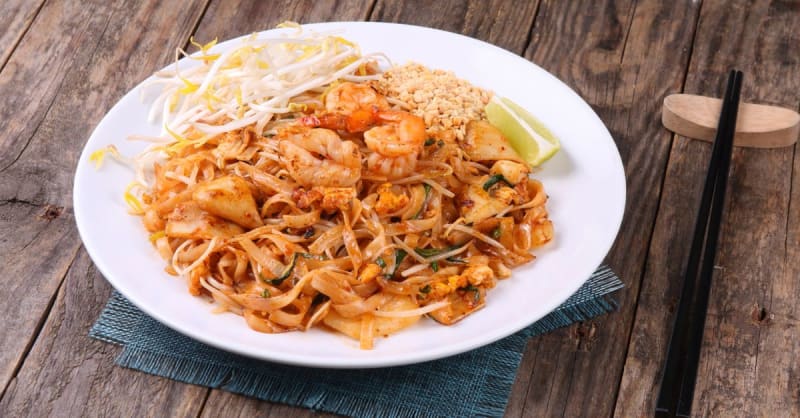
Packing a school lunchbox with leftovers can feel simple with a noodle dish like pad thai, until the sauce is considered. Is pad thai gluten free? Rice noodles are naturally safe, but soy sauce is a real gluten risk in most versions, and it's worth asking about before this dish goes into a lunchbox or gets reheated for a quick weeknight dinner.
Gluten Risk at a Glance
- Verdict: It depends (medium confidence)
- Natural gluten risk: 5/10
- Cross-contact risk: 7/10
- Label reliability: 4/10
- Celiac disease safe: conditional
- Gluten sensitivity (NCGS) safe: conditional
- Primary concern: soy sauce and cross-contact
- Gluveto Safety Score: 4.0/10
The Gluten Question, Answered
Pad thai carries a real natural gluten risk of 5 out of 10 as a dish, even though its base, flat rice noodles, is naturally gluten-free - the risk comes from soy sauce, which is a common ingredient in most Western versions of the recipe and is traditionally brewed with wheat. So is pad thai gluten free by default? Not usually - the noodles were never the problem, but the sauce almost always is.
Cross-Contamination: The Real Risk
Cross-contact risk is high, at 7 out of 10, coming from shared cooking surfaces and, again, soy sauce containing wheat as a direct ingredient rather than just a trace concern. Label reliability is low, at 4 out of 10, since a restaurant menu rarely spells out sauce ingredients on its own.
What Celiac Readers Need to Know
Pad thai made with gluten-free soy sauce or tamari, on a clean cooking surface, is safe with real confidence, since rice noodles and the dish's other core ingredients, like tamarind and fish sauce in traditional recipes, carry no gluten risk. What makes pad thai conditional rather than a flat no is that the recipe genuinely varies: traditional Thai preparation can lean on tamarind and fish sauce without much soy sauce at all, while many Western restaurant versions default to standard soy sauce, a real gluten source. A reader who asks specifically about the sauce, rather than assuming based on the rice-noodle base, is the difference between a safe and unsafe order.
Which Versions Are Safe?
Country of preparation matters here more than for many dishes: in Thailand, traditional recipes lean more on tamarind and fish sauce, which are naturally gluten-free, while Western restaurant versions more often add standard soy sauce as a flavor shortcut, a real gluten source worth asking about directly.
How to Buy and Use It Safely
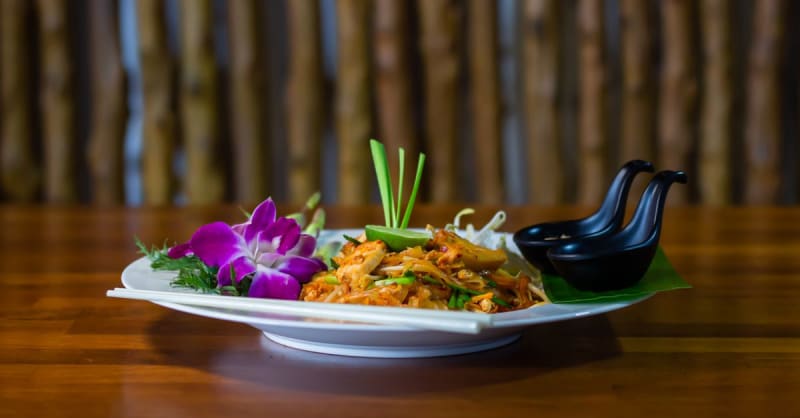
Ask directly whether a restaurant uses gluten-free soy sauce or tamari before ordering, rather than assuming the rice-noodle base settles the question. For homemade pad thai, tamari or a certified gluten-free soy sauce is a reliable swap for standard soy sauce. Gluten-free pad thai from certified brands is worth seeking out for a packaged or frozen option.
Mistakes People Make with Pad Thai
- Assuming rice noodles mean the whole dish is safe. The noodles are clean, but the sauce is where the real risk lives.
- Not asking about the specific soy sauce used. Standard soy sauce is the default at most restaurants unless tamari is specifically requested.
- Ordering from a shared wok without asking. Cross-contact from shared cooking surfaces is a real risk in a busy kitchen - ask if a separate pan or wok is used.
- Trusting a "gluten-free" menu label without follow-up. Even a marked menu item is worth a quick confirmation on the sauce, since kitchen practices vary.
Free Download
57 Hidden Gluten Ingredients to Avoid
The printable cheat sheet for scanning any label with confidence.
No spam. Unsubscribe anytime.
Bottom Line - Is Pad Thai Gluten Free?
Rice noodles were never the issue - soy sauce is the real, common gluten source in most pad thai served outside Thailand. Is pad thai gluten free enough to order without asking? No - confirm gluten-free soy sauce or tamari is used before it goes in the lunchbox.
Editorial Process
This article was written and reviewed by the Gluveto Editorial Team for factual accuracy, gluten-free safety, and alignment with current FDA labeling guidance.
We reference trusted organisations including the Celiac Disease Foundation and the FDA when evaluating foods and ingredients.