
Is Panko Gluten Free?

Quick Answer
Is Panko Gluten Free?
Most panko is made with wheat flour and carries real gluten risk - one of the lowest safety scores on this site unless you choose a certified brand.
Breading chicken tenders for a kid's lunch is a good reason to double-check the panko in the pantry. Is panko gluten free? Rarely by default - most panko is made with wheat flour, and this ingredient carries one of the lowest safety scores tracked on this site, so it needs a real certified swap, not just a careful label read.
Gluten Risk at a Glance
- Verdict: Check the label (medium confidence)
- Natural gluten risk: 8/10
- Cross-contact risk: 7/10
- Label reliability: 5/10
- Celiac disease safe: conditional
- Gluten sensitivity (NCGS) safe: conditional
- Primary concern: contains wheat
- Gluveto Safety Score: 3/10
So, Is There Actually Gluten in It?
Panko is often made with wheat flour, which puts natural gluten risk at 8 out of 10 - one of the higher scores tracked on this site, close to a traditional wheat pasta or bread. So is panko gluten free the way plain breadcrumbs sometimes are? No - assume standard panko contains gluten unless the package specifically says otherwise, the same way you'd treat any wheat-based coating.
Cross-Contamination: The Real Risk
On top of the base-ingredient risk, cross-contact adds another 7 out of 10, coming from:
- Shared manufacturing lines
- Bulk bins
Panko is often made with wheat flour, posing a high risk of gluten presence even before cross-contact enters the picture - and bulk bins specifically compound that risk for anyone scooping their own portion. Label reliability is the lowest tracked for any pantry staple on this site at 5 out of 10, which is exactly why panko earns one of the lowest overall safety scores here.
Is It Safe with Celiac Disease?
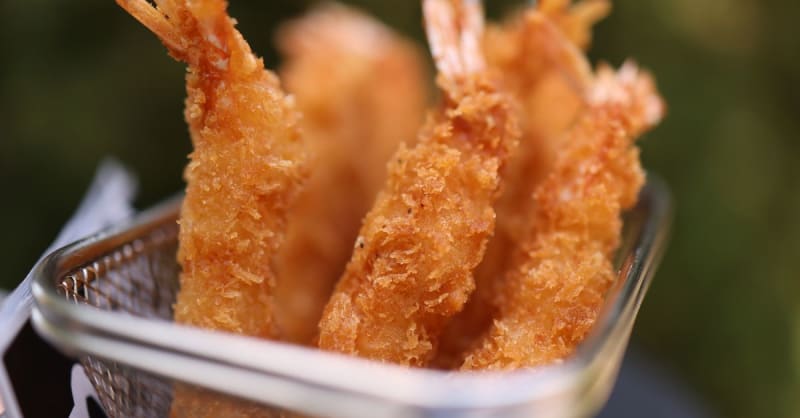
A certified gluten-free panko, made from rice or corn flour on dedicated equipment, is safe with real confidence. What makes standard panko genuinely risky rather than just uncertain is that wheat flour is the default ingredient, not an occasional cross-contact concern - combined with the highest cross-contact score most breading products carry on this site, panko sits near the riskier end of what a family cooking for a celiac member should keep in the pantry unprompted. The safest habit: never use "breadcrumbs" or "panko" interchangeably between family members' meals unless every jar in the kitchen is confirmed gluten-free.
Shopping by Brand
As stated by each brand. Always check the current label.
| Brand | Status | Notes |
|---|---|---|
| Kinnikinnick | Certified GF | Long-standing gluten-free bakery and pantry brand |
| Aleia's | Certified GF | Specializes in gluten-free breadcrumbs and panko |
Both brands are worth standardizing on for a household cooking breaded dishes regularly, given how low panko's default safety score is.
How to Buy and Use It Safely
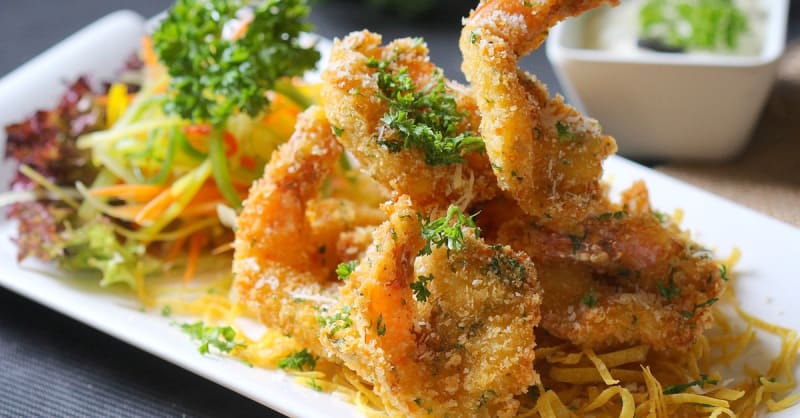
Use gluten-free panko alternatives made from rice or corn rather than assuming a standard box is safe. Panko shows up in breaded dishes and as a topping for casseroles - both are places a kid's favorite meal (chicken tenders, mac and cheese with a crispy top) can hide a real gluten source without anyone noticing. If you'd rather skip panko-branded products entirely, gluten-free breadcrumbs or crushed gluten-free cereal both work as substitutes.
Mistakes People Make with Panko
- Keeping one shared panko container for the whole family - an unlabeled or wheat-based panko in a shared pantry is a real risk, not just a maybe. Fix: buy a certified gluten-free brand for the whole household.
- Scooping from a bulk bin - bulk bins add real cross-contact risk on top of an already wheat-based product. Fix: buy sealed, labeled panko instead.
- Assuming "breadcrumbs" and "panko" need separate certification checks - many gluten-free breadcrumb products double as a panko substitute. Fix: check either product's certification, not just the one labeled "panko."
- Using the same fryer oil or baking sheet for gluten and gluten-free breaded items - cross-contact happens during cooking, not just from the panko itself. Fix: use separate cookware or fry gluten-free items first.
Free Download
57 Hidden Gluten Ingredients to Avoid
The printable cheat sheet for scanning any label with confidence.
No spam. Unsubscribe anytime.
Bottom Line - Is Panko Gluten Free?
Panko is one of the riskier pantry staples on this site - high natural risk, high cross-contact, and the lowest label reliability tracked for a breading product. Is panko gluten free enough to keep in a shared kitchen without a certified brand? No - Kinnikinnick or Aleia's are worth the switch for any family managing this.
Editorial Process
This article was written and reviewed by the Gluveto Editorial Team for factual accuracy, gluten-free safety, and alignment with current FDA labeling guidance.
We reference trusted organisations including the Celiac Disease Foundation and the FDA when evaluating foods and ingredients.