
Is Polenta Gluten Free?

Quick Answer
Is Polenta Gluten Free?
Yes - polenta is naturally gluten-free cornmeal, though cross-contact during milling means the brand matters for a family managing celiac disease.
Polenta is an easy, naturally corn-based dish to add to a rotation for a family with one celiac member. Is polenta gluten free? Yes, at the ingredient level - it's simply cooked cornmeal - but cross-contact during milling means the brand still matters, the same way it does for any corn-based flour.
Gluten Risk at a Glance
- Verdict: Yes (high confidence)
- Natural gluten risk: 0/10
- Cross-contact risk: 5/10
- Label reliability: 7/10
- Celiac disease safe: conditional
- Gluten sensitivity (NCGS) safe: conditional
- Primary concern: cross-contact during processing
- Gluveto Safety Score: 7.4/10
Where Gluten Can Hide in Polenta
Polenta is simply cooked cornmeal - corn carries none of the proteins that trigger a celiac reaction, which puts natural gluten risk at a flat 0 out of 10. So is polenta gluten free at the ingredient level? Completely - anything that shows up later comes from the mill the cornmeal passed through, not the corn itself.
The Shared-Equipment Problem
Cross-contact risk sits at 5 out of 10, coming from:
- Shared milling equipment
- Packaging facilities that also handle gluten-containing products
There's a real risk of cross-contact in processing facilities that handle gluten grains, since cornmeal mills often run wheat flour through the same equipment. Label reliability is decent at 7 out of 10 - enough to trust a certified claim, not enough to skip checking a generic bag.
How Risky Is Polenta for Celiacs?
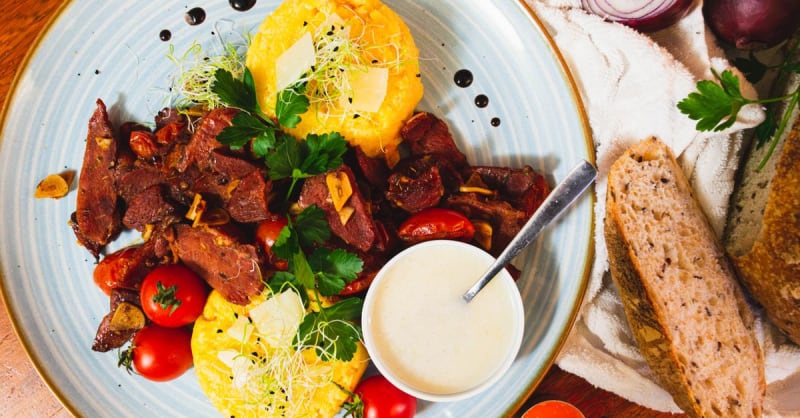
Polenta made from cornmeal processed on a certified gluten-free line is close to risk-free - the corn itself was never the issue. What makes this conditional is that cornmeal milling and wheat flour milling frequently share equipment, especially among smaller or regional producers, and a 7-out-of-10 label reliability score means not every bag discloses this clearly. For a family managing celiac disease, the practical rule is the same one that applies to cornstarch or corn starch: certified means safe with confidence, generic and unlabeled means genuine uncertainty.
Brands Worth Trusting
As stated by each brand. Always check the current label.
| Brand | Status | Notes |
|---|---|---|
| Bob's Red Mill Gluten Free | Certified GF | States gluten-free status directly on the package |
| Ancient Harvest | Certified GF | Long-standing gluten-free grain specialist |
Both brands are worth defaulting to for a household cooking polenta regularly, given how common shared milling equipment is across the category.
Your Safe-Shopping Checklist
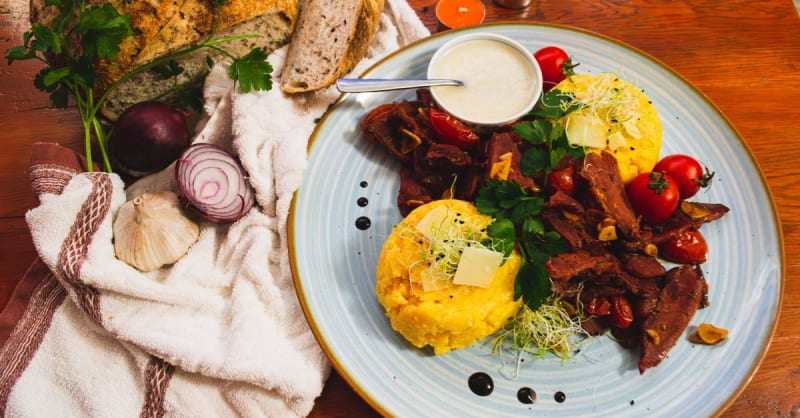
Polenta shows up in Italian cuisine, as a side dish, and as a breakfast porridge - all three are easy, family-friendly ways to work it into a rotation once you've settled on a trusted brand. Cornmeal can be used as a substitute if a recipe calls for polenta specifically and you already have a certified bag on hand.
Storage: store in a cool, dry place. Gluten-free alternatives: if you want variety, quinoa works as a different base with a similar cooking role.
Questions Worth Emailing the Manufacturer
Three questions worth asking if a brand's label doesn't specify:
- Is this cornmeal milled on shared equipment with wheat flour?
- Do you test finished batches for gluten cross-contact?
- Is there a dedicated gluten-free milling line for this specific product?
Free Download
57 Hidden Gluten Ingredients to Avoid
The printable cheat sheet for scanning any label with confidence.
No spam. Unsubscribe anytime.
Bottom Line - Is Polenta Gluten Free?
Polenta starts at zero natural risk - the conditional label is entirely about which mill the cornmeal came from. Is polenta gluten free enough to cook for the whole family without checking the brand? Only from a certified bag; that single choice removes most of the real-world risk here.
Editorial Process
This article was written and reviewed by the Gluveto Editorial Team for factual accuracy, gluten-free safety, and alignment with current FDA labeling guidance.
We reference trusted organisations including the Celiac Disease Foundation and the FDA when evaluating foods and ingredients.