
Is Risotto Gluten Free?

Quick Answer
Is Risotto Gluten Free?
The rice is fine - the broth and thickening agents are where risotto's real gluten risk lives. Here's what to check before ordering or cooking it.
Read the ingredient list on the broth before you read anything else about a risotto recipe. Is risotto gluten free? The rice itself always is, but the broth and any thickening agents are where real risk lives - this is a dish where the gluten question is about the supporting ingredients, not the star one.
Gluten Risk at a Glance
- Verdict: It varies (medium confidence)
- Natural gluten risk: 2/10
- Cross-contact risk: 5/10
- Label reliability: 6/10
- Celiac disease safe: conditional
- Gluten sensitivity (NCGS) safe: conditional
- Primary concern: use of gluten-containing broth or additives
- Gluveto Safety Score: 6.4/10
Where Gluten Can Hide in Risotto
Risotto's rice base keeps natural gluten risk low, at 2 out of 10 - arborio and other risotto rice varieties are naturally gluten-free grains. So is risotto gluten free by default? Not automatically, because two other ingredients decide the real answer:
- Broth with gluten - some bouillon and stock bases use wheat-derived thickeners
- Thickening agents - occasionally wheat-based, added for texture
How Risotto Picks Up Gluten Along the Way
Cross-contact risk sits at 5 out of 10, coming from:
- Shared cooking equipment
- Contaminated broth from a shared kitchen source
Risotto is often made in shared kitchens alongside gluten-containing dishes, which matters as much as the ingredient list itself - a restaurant that stirs risotto with the same utensil used for a wheat-thickened sauce introduces risk regardless of what's actually in the pot. Label reliability is middling at 6 out of 10, low enough that packaged risotto mixes deserve a real check.
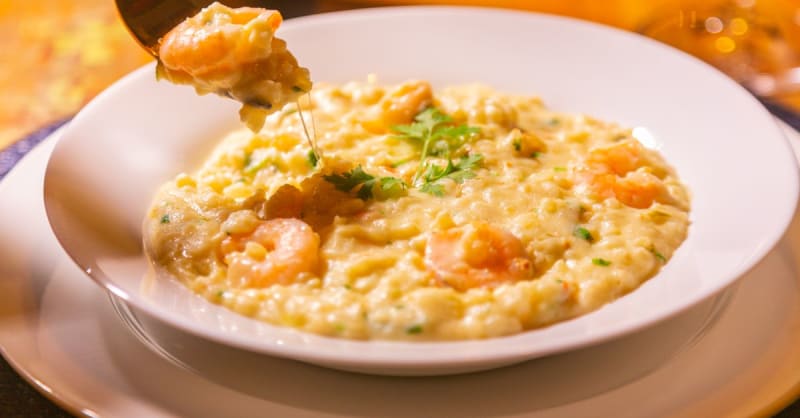
How Risky Is Risotto for Celiacs?
Risotto made with a verified gluten-free broth, in a kitchen without shared thickening agents or cross-contact risk, is safe with real confidence - the rice was never the issue. What makes the verdict conditional is that broth is the most common hidden source of gluten in prepared dishes generally, and risotto in particular relies on broth added gradually throughout cooking, giving more opportunities for an unverified ingredient to matter. The practical rule: know your broth, know your kitchen, and the rice takes care of itself.
Which Brands Actually Get This Right
As stated by each brand. Always check the current label.
| Brand | Status | Notes |
|---|---|---|
| Lundberg Family Farms | Certified GF | Offers a certified gluten-free risotto product |
Lundberg is the one certified name in this category worth calling out specifically, since most risotto is made from scratch rather than bought pre-packaged.
Getting Risotto Safely into Your Kitchen
Use gluten-free broth and ensure all ingredients are gluten-free when cooking risotto at home - this single habit resolves most of the risk described above. Risotto shows up in restaurants, home cooking, and packaged meal kits, and each context needs its own version of the same check: verify the broth, not just the rice.
Gluten-free alternatives: quinoa risotto and cauliflower risotto both work if you'd rather sidestep the broth question with a different base entirely.
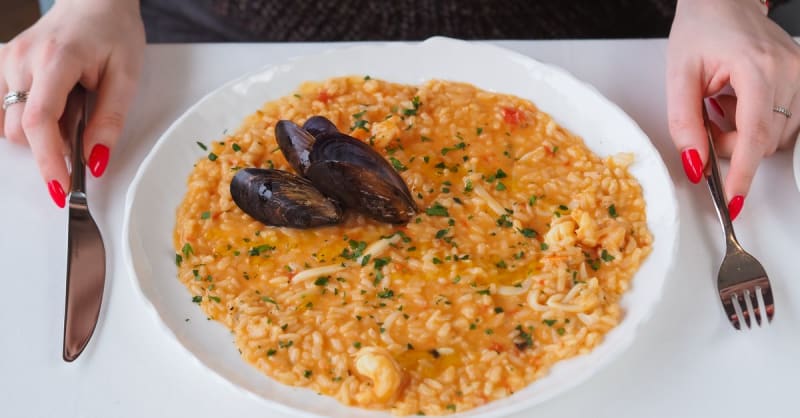
Mistakes People Make with Risotto
- Trusting a restaurant's risotto because rice is naturally gluten-free - the rice was never the risk; the broth is. Fix: ask specifically what broth or stock base is used.
- Grabbing a boxed risotto mix without checking the flavor packet - the seasoning packet is where a wheat-based thickener is most likely to hide. Fix: read the full ingredient list on any packaged mix, not just the rice.
- Assuming a shared kitchen automatically means risk - some restaurants genuinely handle this well with separate utensils and broth. Fix: ask directly rather than assuming either way.
- Not checking Parmesan or other cheese add-ins - most cheese is fine, but some pre-shredded blends include an anti-caking starch worth a quick glance. Fix: check any add-in ingredient separately from the base recipe.
Free Download
57 Hidden Gluten Ingredients to Avoid
The printable cheat sheet for scanning any label with confidence.
No spam. Unsubscribe anytime.
Bottom Line - Is Risotto Gluten Free?
Risotto's gluten story is really a broth story - the rice is safe, and everything else depends on what's stirred into it. Is risotto gluten free enough to order confidently at any restaurant? Only after asking about the broth; that single question settles most of the real risk.
Editorial Process
This article was written and reviewed by the Gluveto Editorial Team for factual accuracy, gluten-free safety, and alignment with current FDA labeling guidance.
We reference trusted organisations including the Celiac Disease Foundation and the FDA when evaluating foods and ingredients.