
Is Sake Gluten Free?

Quick Answer
Is Sake Gluten Free?
Yes - plain sake is naturally gluten-free with one of the highest safety scores tracked on this site. Flavored versions are the one exception.
Ordering at a Japanese restaurant or takeout counter usually puts sake on the drink list, and it's one of the easier choices to stop worrying about. Is sake gluten free? Yes - it's brewed from rice, with no gluten grain in the process, and plain sake carries one of the highest safety scores tracked on this site.
Gluten Risk at a Glance
- Verdict: Yes (high confidence)
- Natural gluten risk: 0/10
- Cross-contact risk: 1/10
- Label reliability: 8/10
- Celiac disease safe: yes
- Gluten sensitivity (NCGS) safe: yes
- Primary concern: flavorings or additives
- Gluveto Safety Score: 9.2/10
So, Is There Actually Gluten in It?
Sake is brewed from rice, water, and koji mold, with no gluten grain anywhere in the process, which keeps natural gluten risk at a genuine 0 out of 10 for plain sake. So is sake gluten free in its standard form? Yes, without qualification - this is one of the cleanest verdicts tracked on this site.
How Sake Picks Up Gluten Along the Way
Cross-contact risk is minimal, at just 1 out of 10, with the small risk coming from shared equipment. Label reliability is strong, at 8 out of 10 - the real risk noted in the data comes from flavored or dessert versions, which is a genuinely separate question from plain sake.
Which Versions Are Safe?
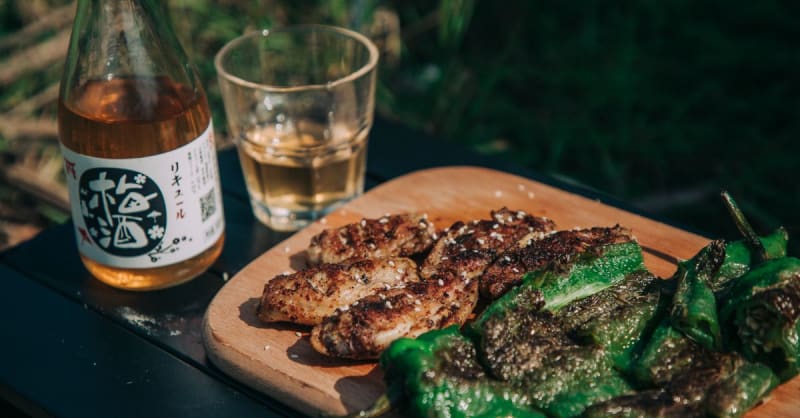
- Plum - check-label; flavoring additives vary by brand
- Yuzu - check-label; flavoring additives vary by brand
Plain sake is the reliably safe default - flavored varieties are worth a specific check given their added ingredients.
Shopping by Brand
As stated by each brand. Always check the current label.
| Brand | Status | Notes |
|---|---|---|
| Hakutsuru Sake | Certified GF | Reliable, widely available plain sake |
| Gekkeikan Sake | Certified GF | Certified gluten-free plain sake |
Both brands are dependable defaults for plain sake specifically.
Your Safe-Shopping Checklist
Stick to plain sake from Hakutsuru or Gekkeikan for the most reliable safety margin, and check the label specifically on flavored versions like plum or yuzu. Rice wine is a reliable alternative if sake specifically isn't available. Store sake in a cool, dark place.
Is It Safe with Celiac Disease?
Sake carries a clean, high-confidence yes for both celiac disease and gluten sensitivity - not a conditional verdict. That confidence comes directly from the numbers: a 0 out of 10 natural gluten risk means there's no gluten-containing ingredient in the plain product at all, a minimal 1 out of 10 cross-contact score means shared-equipment risk is close to negligible, and a strong 8 out of 10 label reliability score means sake is rarely mislabeled or complicated by manufacturers. Together, those numbers are what separate a genuine, confident yes from the flavored versions, which carry real, separate additive risk worth checking for individually.
Free Download
57 Hidden Gluten Ingredients to Avoid
The printable cheat sheet for scanning any label with confidence.
No spam. Unsubscribe anytime.
Bottom Line - Is Sake Gluten Free?
Plain sake is about as clean a verdict as this site tracks - a rice-brewed drink with no gluten grain anywhere near the process. Is sake gluten free enough to order at any Japanese restaurant without asking? For plain sake, yes - just check the label on flavored versions like plum or yuzu.
Editorial Process
This article was written and reviewed by the Gluveto Editorial Team for factual accuracy, gluten-free safety, and alignment with current FDA labeling guidance.
We reference trusted organisations including the Celiac Disease Foundation and the FDA when evaluating foods and ingredients.