
Is Sourdough Bread Gluten Free?

Quick Answer
Is Sourdough Bread Gluten Free?
No, traditional sourdough bread is made with wheat flour and is unsafe for celiac disease. Only breads with certified gluten-free labels are safe.
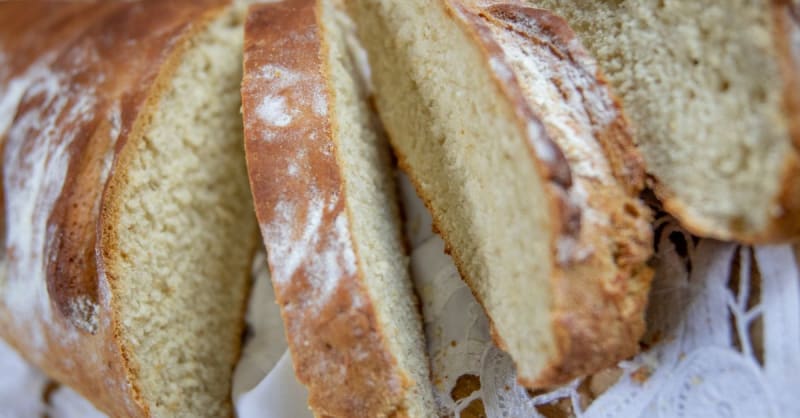
Traditional sourdough bread (often simply called sourdough) is not gluten-free, and natural fermentation does not make it safe for celiac disease. Is sourdough bread gluten free because it is naturally fermented? No - standard loaves rely on wheat flour and wheat-fed starter cultures, leaving gluten intact in the finished bread.
Gluten Risk at a Glance
- Verdict: No (high confidence)
- Natural gluten risk: 9/10
- Cross-contact risk: 8/10
- Label reliability: 5/10
- Celiac disease safe: no
- Gluten sensitivity (NCGS) safe: no
- Primary concern: wheat flour base, wheat starter culture, and bakery flour dust
- Gluveto Safety Score: 2.2/10
Does Sourdough Bread Contain Gluten?
Traditional sourdough is made directly from wheat flour, putting natural gluten risk at 9 out of 10. A persistent myth claims that the long wild-yeast fermentation breaks down gluten enough to render regular sourdough safe for celiacs. While lactic acid bacteria and prolonged fermentation may slightly alter gluten structure and digestibility for general digestive discomfort, scientific consensus confirms it does not reduce gluten to the FDA threshold of under 20 ppm required for celiac safety.
Starter Cultures and Hidden Gluten Sources
Gluten in sourdough originates from two distinct stages:
- Wheat flour dough - Standard white, whole wheat, spelt, or rye flours used as the loaf's main structure.
- The sourdough starter (levain) - Conventional starters are fed over weeks, months, or years with wheat flour. Some bakeries also introduce barley malt syrup or rye flour to accelerate wild yeast activity.
Even when specialty home bakers experiment with alternative flours in the main dough, feeding a conventional wheat-based starter into the mix introduces concentrated gluten proteins.
Cross-Contact and Bakery Environments
Cross-contact risk in artisanal sourdough bakeries sits at 8 out of 10:
- Airborne flour dust - Active bakery environments have airborne wheat flour particles that settle onto proofing bannetons, linen couches, baking stones, and deck ovens.
- Shared ovens and cooling racks - Unpackaged loaves placed on shared baking surfaces readily absorb residual flour.
Labeling reliability remains low at 5 out of 10, because descriptions like "naturally leavened," "wild fermented," or "artisan" communicate leavening technique, not gluten status.
What Celiac Readers Need to Know
For individuals with celiac disease or severe gluten sensitivity, ordering standard sourdough at a bakery, cafe, or restaurant carries the same risk as ordering conventional white sandwich bread. The lone exception is bread crafted entirely from certified gluten-free grains (such as brown rice, sorghum, millet, or tapioca) that is fermented using a dedicated gluten-free starter in an allergen-controlled facility.
Certified Brands and Safe Exceptions
As stated by each brand. Always check the current label.
| Brand | Status | Notes |
|---|---|---|
| Canyon Bakehouse | Certified GF | Dedicated gluten-free facility; sourdough-style deli bread |
| Bread SRSLY | Certified GF | San Francisco artisan sourdough made with organic gluten-free grains and live GF starter |
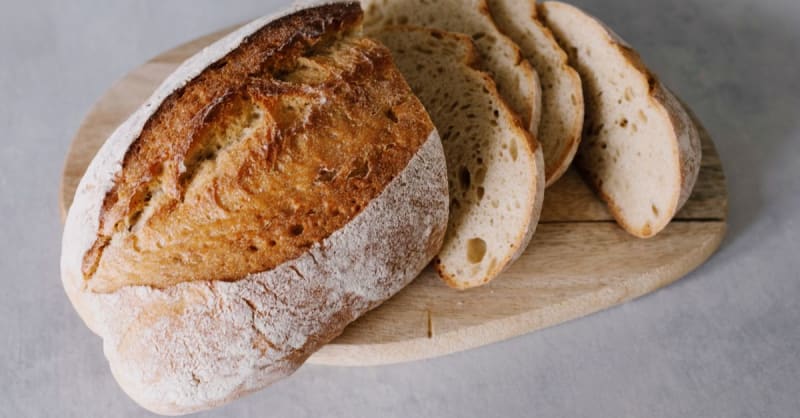
These brands maintain dedicated gluten-free starters and baking facilities, offering genuine sourdough flavor without wheat flour or cross-contact.
Mistakes People Make with Sourdough
- Believing fermentation digests gluten completely - Lactic acid fermentation alters proteins slightly, but leaves thousands of parts per million of gluten in wheat dough.
- Using a conventional starter in gluten-free flour dough - A starter fed with wheat flour introduces substantial gluten even if gluten-free flour is added to the bowl.
- Trusting restaurant menus that label artisan sourdough as "low gluten" - Any dish with detectable wheat gluten is unsafe for celiac disease, regardless of culinary buzzwords.
- Baking gluten-free sourdough in a flour-dusted home kitchen - Airborne wheat flour from prior baking can contaminate gluten-free starters on the countertop.
Free Download
57 Hidden Gluten Ingredients to Avoid
The printable cheat sheet for scanning any label with confidence.
No spam. Unsubscribe anytime.
Bottom Line - Is Sourdough Bread Gluten Free?
Standard sourdough bread contains wheat gluten in both the starter culture and the dough. Natural fermentation does not eliminate gluten proteins or make conventional loaves safe for celiac disease. Treat standard sourdough as an explicit no, and purchase certified gluten-free brands like Canyon Bakehouse or Bread SRSLY when you crave classic sourdough flavor.
Editorial Process
This article was written and reviewed by the Gluveto Editorial Team for factual accuracy, gluten-free safety, and alignment with current FDA labeling guidance.
We reference trusted organisations including the Celiac Disease Foundation and the FDA when evaluating foods and ingredients.