
Is Teriyaki Sauce Gluten Free?

Quick Answer
Is Teriyaki Sauce Gluten Free?
The soy sauce base is the real question - a good one to sort out before it goes into a kid's lunchbox marinade or stir-fry.
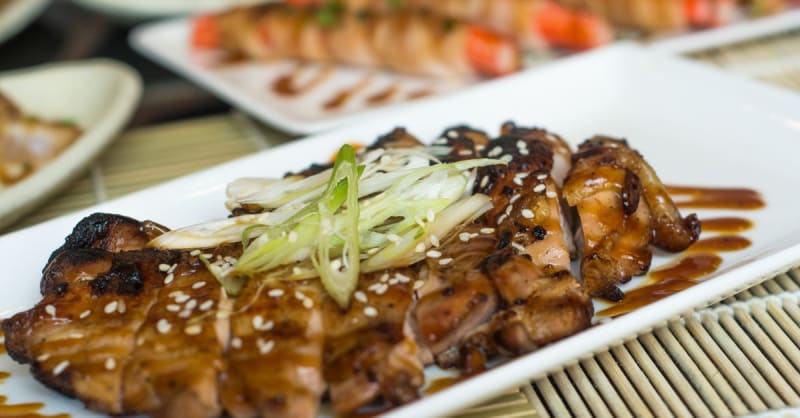
Teriyaki-glazed chicken is a lunchbox regular in a lot of households, which makes the sauce itself worth a second look before it's part of the weekly rotation. Is teriyaki sauce gluten free? It depends on the brand - soy sauce is the traditional base, and traditional soy sauce is wheat-based, so only a bottle built on tamari or a verified gluten-free soy sauce is reliably safe.
Gluten Risk at a Glance
- Verdict: It varies (medium confidence)
- Natural gluten risk: 7/10
- Cross-contact risk: 5/10
- Label reliability: 6/10
- Celiac disease safe: conditional
- Gluten sensitivity (NCGS) safe: conditional
- Primary concern: soy sauce often contains wheat
- Gluveto Safety Score: 4.4/10
So, Is There Actually Gluten in It?
Teriyaki sauce is traditionally built on soy sauce, and traditional soy sauce is brewed with wheat as a core ingredient, not a trace addition. That puts natural gluten risk at a real 7 out of 10. So is teriyaki sauce gluten free just because it's mostly a sweet glaze? No - the soy sauce underneath the sweetness is doing the same work it would in any other recipe, and it's usually wheat-based unless stated otherwise.
How Teriyaki Sauce Picks Up Gluten Along the Way
Cross-contact risk adds another 5 out of 10, coming from:
- Shared equipment
- Manufacturing facilities that bottle multiple sauce lines
Hidden gluten can also come from malt vinegar or hydrolyzed wheat protein in some recipes, on top of the soy sauce base itself - both are real ingredients some brands use, not shared-equipment residue. Label reliability sits at a middling 6 out of 10, which varies by manufacturer and facility practices.
Is It Safe with Celiac Disease?
Teriyaki sauce built on tamari or a verified gluten-free soy sauce is safe with real confidence - that's what certified brands like San-J and Kikkoman's gluten-free line are built around. What makes teriyaki sauce conditional rather than a flat no is that genuinely safe versions exist and are easy to find, unlike a food with no good option at all. Country of origin adds a real wrinkle worth knowing: Japanese versions often use traditional wheat-based soy sauce, while some US versions substitute tamari, but neither assumption should replace actually checking a specific bottle.
Not All Teriyaki Sauce Is the Same
| Variant | Status |
|---|---|
| Spicy | Check label |
| Garlic | Check label |
| Pineapple | Check label |
None of these flavor variations tells you anything about gluten content on its own - each one still depends on whether the base soy sauce is wheat-based or tamari, so check every flavor independently rather than assuming a fruit or spice addition changes the underlying recipe.
Brands Worth Trusting
As stated by each brand. Always check the current label.
| Brand | Status | Notes |
|---|---|---|
| San-J | Certified GF | Teriyaki sauce built on tamari, not traditional soy sauce |
| Kikkoman | Certified GF (Gluten-Free line) | Separate certified line from Kikkoman's traditional teriyaki sauce |
| Coconut Secret | Safe, uncertified | Coconut aminos-based teriyaki-style sauce, no soy or wheat |
All three remove the wheat-based soy sauce question entirely - worth defaulting to for a lunchbox marinade or weeknight stir-fry.
Getting Teriyaki Sauce Safely into Your Kitchen
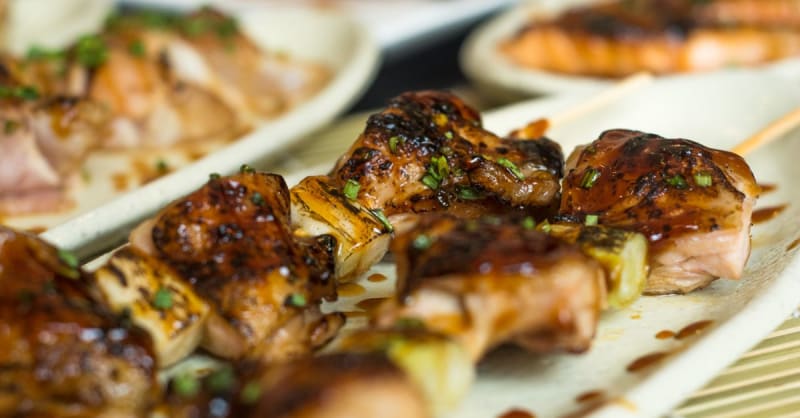
Tamari or coconut aminos can be used as gluten-free bases if building a teriyaki-style sauce from scratch, or reach for San-J or Kikkoman's certified line for a ready-made option. Teriyaki sauce shows up in marinades and stir-fries across Asian cuisine, and marinades specifically deserve a second look, since the sauce gets absorbed into the food rather than staying visible the way a dipping sauce would.
Storage: store in a cool, dry place; refrigerate after opening.
Free Download
Hidden Gluten in Sauces, Condiments & Dips
A safe / check-label / high-risk checklist for the sauce aisle and your fridge door.
No spam. Unsubscribe anytime.
Questions Worth Emailing the Manufacturer
Three questions worth asking if a label isn't clear:
- Is this teriyaki sauce made with tamari or traditional soy sauce?
- Does it contain malt vinegar or hydrolyzed wheat protein?
- Is this specific bottle formulated for the US market, or a different region?
Bottom Line - Is Teriyaki Sauce Gluten Free?
Teriyaki sauce's risk lives entirely in the soy sauce underneath the sweetness, and traditional recipes lean wheat-based more often than not. Is teriyaki sauce gluten free enough to grab any bottle for a lunchbox marinade? No - San-J, Kikkoman's gluten-free line, and Coconut Secret are the names worth keeping in the pantry instead.
Editorial Process
This article was written and reviewed by the Gluveto Editorial Team for factual accuracy, gluten-free safety, and alignment with current FDA labeling guidance.
We reference trusted organisations including the Celiac Disease Foundation and the FDA when evaluating foods and ingredients.