
Is Worcestershire Sauce Gluten Free?

Quick Answer
Is Worcestershire Sauce Gluten Free?
The bottle you grab matters more than the recipe - US Lea & Perrins is gluten-free, the UK version isn't, and the difference comes down to one ingredient.
Most people assume Worcestershire sauce is just a splash of umami with nothing to check - the actual answer depends on which country's bottle is in the cabinet. Is Worcestershire sauce gluten free? It depends on the brand and, for one of the most common brands, on which country it was bottled in - malt vinegar and soy sauce are the two ingredients doing the damage in the versions that aren't safe.
Gluten Risk at a Glance
- Verdict: It varies (medium confidence)
- Natural gluten risk: 7/10
- Cross-contact risk: 5/10
- Label reliability: 6/10
- Celiac disease safe: conditional
- Gluten sensitivity (NCGS) safe: conditional
- Primary concern: malt vinegar and soy sauce
- Gluveto Safety Score: 4.4/10
Where Gluten Can Hide in Worcestershire Sauce
Worcestershire sauce is a fermented condiment built around vinegar, anchovies, molasses, and a short list of spices - the gluten risk isn't in the concept, it's in two specific ingredients some recipes lean on: malt vinegar and soy sauce, both traditional gluten sources. That puts natural gluten risk at a real 7 out of 10. So is Worcestershire sauce gluten free by default? No - treat any bottle as a maybe until you've checked which vinegar and which soy sauce it was built with.
How Worcestershire Sauce Picks Up Gluten Along the Way
Beyond the recipe itself, cross-contact adds another 5 out of 10, coming from:
- Shared equipment
- Manufacturing facilities that also bottle other sauces
Gluten risk in Worcestershire sauce varies by brand largely because the recipe itself varies by brand - some formulations use malt vinegar and traditional soy sauce as core ingredients, not shared-equipment residue, which is why this is as much an ingredient question as a processing one. Label reliability sits in the middle at 6 out of 10, better than a lot of condiments but still not a substitute for actually reading the ingredient list.
How Risky Is Worcestershire Sauce for Celiacs?
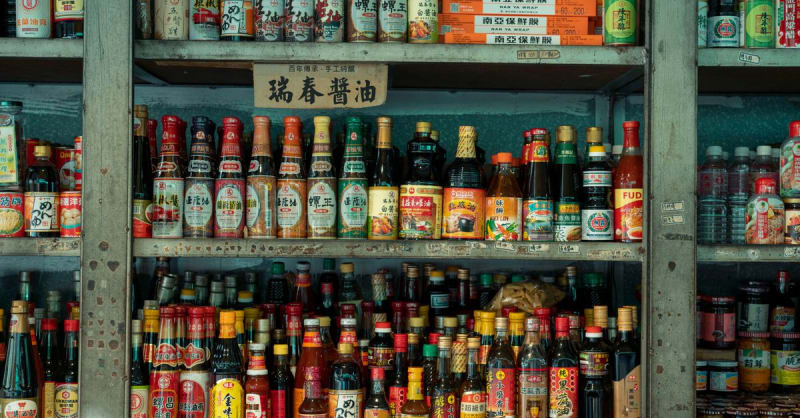
Worcestershire sauce made with distilled vinegar and a wheat-free soy sauce (or none at all) is safe with real confidence - that's the case for US-bottled Lea & Perrins and for brands built to be gluten-free from the start, like The Wizard's. What makes the category conditional rather than a flat yes or no is that "Worcestershire sauce" isn't one fixed recipe worldwide: the same brand name can mean a genuinely different formulation depending on which country's supply chain it came from, and malt vinegar or traditional soy sauce in the ingredient list makes it unsafe regardless of how small the amount seems. This isn't a shared-equipment maybe - when the recipe itself contains a gluten ingredient, that's a real and direct exposure, not a trace risk.
Not All Worcestershire Sauce Is the Same
| Variant | Status | Why |
|---|---|---|
| US-bottled Lea & Perrins | Safe | Made with distilled white vinegar, no malt vinegar |
| UK/international Lea & Perrins | Contains gluten | Made with malt vinegar, which contains barley |
The same brand name genuinely means two different recipes depending on where the bottle was made - this is one of the clearer examples on this site of why "I've had this brand before" isn't a safety check. If a bottle doesn't state its country of origin clearly, treat it as the riskier version until confirmed.
Brands Worth Trusting
As stated by each brand. Always check the current label.
| Brand | Status | Notes |
|---|---|---|
| Annie's | Certified GF | Worcestershire-style sauce built without malt vinegar or wheat-based soy sauce |
| The Wizard's | Certified GF | Organic, vegan, built to be gluten-free from the recipe up |
| Lea & Perrins (US version) | Safe, uncertified | Distilled white vinegar, not malt vinegar - but this applies to the US bottle specifically |
| French's | Safe, uncertified | No gluten-containing ingredients in the standard US formulation |
Avoid: Lea & Perrins bottled for the UK or other international markets, which uses malt vinegar and is not gluten-free.
Getting Worcestershire Sauce Safely into Your Kitchen
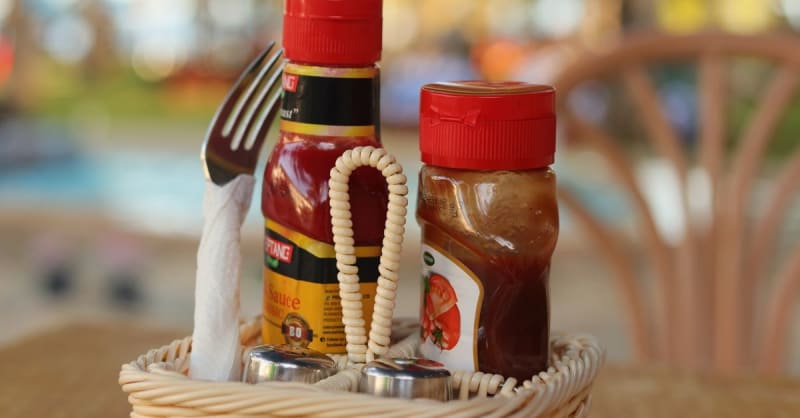
For home cooking, Annie's or The Wizard's remove the country-of-origin guesswork entirely, since both are built to be gluten-free rather than gluten-free by coincidence of formulation. Worcestershire sauce shows up in marinades, Bloody Marys, shepherd's pie, and plenty of restaurant sauces where it's easy to overlook as an ingredient - restaurant kitchens are worth a direct question, since the bottle on hand could be either version. Tamari sauce and coconut aminos both work as gluten-free substitutes if a recipe calls for it and no verified bottle is on hand.
Storage: store in a cool, dry place; refrigerate after opening for best quality.
Free Download
Hidden Gluten in Sauces, Condiments & Dips
A safe / check-label / high-risk checklist for the sauce aisle and your fridge door.
No spam. Unsubscribe anytime.
Questions Worth Emailing the Manufacturer
Three questions worth asking if a label doesn't make the formulation clear:
- Is this product made with distilled vinegar or malt vinegar?
- Does the soy sauce used in this recipe contain wheat?
- Is this specific bottle formulated for the US market, or a different region?
Bottom Line - Is Worcestershire Sauce Gluten Free?
Worcestershire sauce isn't a single answer - it's a recipe that changes by brand and sometimes by country, with malt vinegar and traditional soy sauce as the two ingredients that flip it from safe to unsafe. Is Worcestershire sauce gluten free enough to grab any bottle without checking? No - US Lea & Perrins, Annie's, The Wizard's, and French's are the names to look for, and the UK version of Lea & Perrins is the one to leave on the shelf.
Editorial Process
This article was written and reviewed by the Gluveto Editorial Team for factual accuracy, gluten-free safety, and alignment with current FDA labeling guidance.
We reference trusted organisations including the Celiac Disease Foundation and the FDA when evaluating foods and ingredients.