
Is Bulgur Wheat Gluten Free?

Quick Answer
Is Bulgur Wheat Gluten Free?
No - bulgur wheat is made from wheat, right there in the name, making this a clean, high-confidence no worth remembering on a restaurant menu.
How do readers feel about this article?
Ordering at a Mediterranean or Middle Eastern restaurant, tabbouleh and grain salads often list bulgur wheat as a base, and it's one of the more clear-cut no's on this site rather than a maybe. Is bulgur wheat gluten free? No - it's made from wheat, right there in the name, which makes this a clean, high-confidence no rather than a conditional one.
Gluten Risk at a Glance
- Verdict: No (high confidence)
- Natural gluten risk: 10/10
- Cross-contact risk: 0/10
- Label reliability: 10/10
- Celiac disease safe: no
- Gluten sensitivity (NCGS) safe: no
- Primary concern: bulgur wheat is made from wheat and contains gluten
- Gluveto Safety Score: 6.0/10
Also Read
Does Bulgur Wheat Contain Gluten?
Bulgur wheat is parboiled, dried, and cracked wheat - the name states the source ingredient directly, and it pushes natural gluten risk to the maximum, 10 out of 10. So is bulgur wheat gluten free? No, definitively - there's no version of standard bulgur wheat that isn't wheat-based, and the name itself is the clearest signal on the whole menu.
Watch Out for Cross-Contact
Cross-contact risk doesn't apply in the usual sense here, sitting at 0 out of 10, simply because the gluten in bulgur wheat is a direct ingredient rather than a trace or facility-based risk. Label reliability is at the maximum, 10 out of 10, since bulgur wheat is consistently and clearly labeled as what it is.
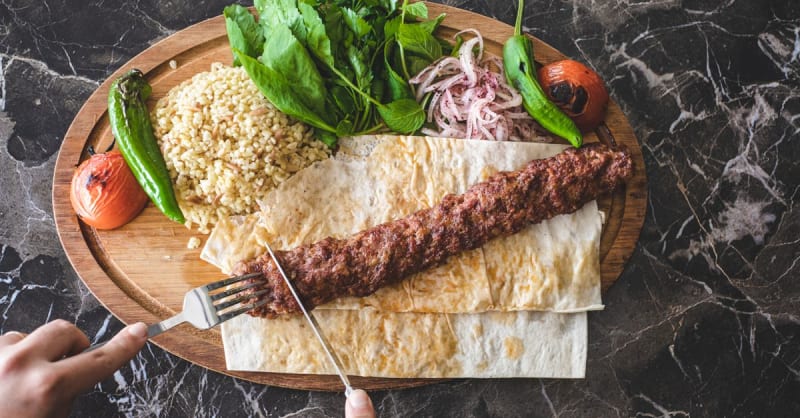
Your Safe-Shopping Checklist
Ask a restaurant directly whether a grain salad or tabbouleh is made with bulgur wheat before ordering, since it's a genuinely common base for both. Quinoa, rice, and buckwheat are the standard, reliable swaps in Mediterranean dishes, salads, and pilafs - ask if a restaurant offers a quinoa-based tabbouleh as a substitute.
Also Read
Is It Safe with Celiac Disease?
Bulgur wheat carries a clean, high-confidence no for both celiac disease and gluten sensitivity - not a conditional verdict. That confidence comes directly from the numbers: a 10 out of 10 natural gluten risk means wheat is the entire product, not a trace or hidden ingredient, and a 10 out of 10 label reliability score means there's no ambiguity or mislabeling risk to account for. Together, those numbers make bulgur wheat one of the most clear-cut no's tracked on this site - there's no scenario where it's safe to order without a substitution.
Questions Worth Emailing the Manufacturer
For a restaurant or packaged grain salad specifically, three questions get useful answers:
- Is this dish made with bulgur wheat, or a different grain?
- Is a quinoa or rice-based substitute available for this specific dish?
- Is there a risk of cross-contact if a gluten-free grain is prepared in the same kitchen as bulgur wheat?
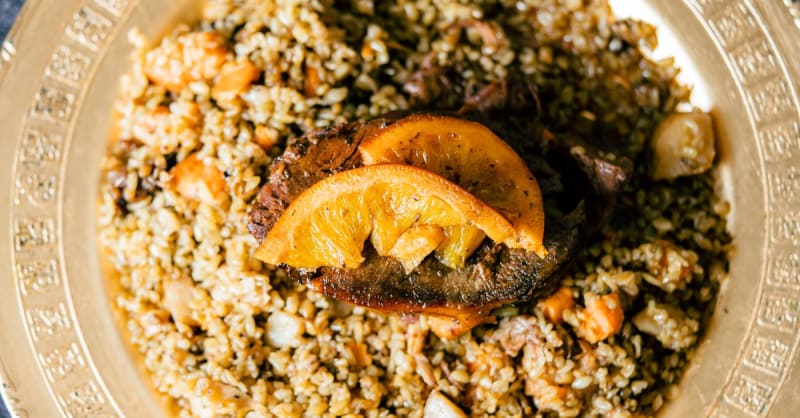
Free Download
57 Hidden Gluten Ingredients to Avoid
The printable cheat sheet for scanning any label with confidence.
No spam. Unsubscribe anytime.
Bottom Line - Is Bulgur Wheat Gluten Free?
Bulgur wheat is wheat, plainly stated in its own name - there's no ambiguity or conditional case to make here. Is bulgur wheat gluten free in any form? No - ask for a quinoa or rice-based substitute at any restaurant serving tabbouleh or a similar grain salad.
Editorial Process
This article was written and reviewed by the Gluveto Editorial Team for factual accuracy, gluten-free safety, and alignment with current FDA labeling guidance.
We reference trusted organisations including the Celiac Disease Foundation and the FDA when evaluating foods and ingredients.

