
Is Chocolate Gluten Free? What You Need to Know

Quick Answer
Is Chocolate Gluten Free?
Is Chocolate gluten free? For most plain Chocolate, yes, it’s naturally gluten free. But not every Chocolate gluten free treat is risk-free, cross contamination or added gluten can sneak in. To be confident, choose certified gluten-free Chocolate brands or check labels for gluten-free options.
I've seen this question in nearly every gluten-free Facebook group and Reddit thread: is Chocolate gluten free, or is it hiding some sneaky source of gluten? Labels and ingredient lists can be overwhelming, especially when you're new to celiac disease, gluten sensitivity, or just trying to eat differently for wellness.
Is Chocolate safe for a gluten-free diet, or do you need to worry about every bar and chip? Standing in the candy aisle, it's hard not to wonder, can people with celiac disease eat Chocolate or is Chocolate and gluten a common pair? If you’re feeling uncertain, let’s get clear on how Chocolate fits into your gluten-free life, fast.
Also Read
Celiac Disease Safety
For anyone following a strict celiac protocol, Chocolate in its whole, plain form is generally a safe bet. But here’s where hidden gluten can trip you up: Chocolate isn’t just found in bars and chips. It often appears as an ingredient in sauces, glazes, ice creams, and even savory restaurant dishes, think mole or specialty espresso drinks.
I’ve seen Chocolate pop up in spice blends, dessert toppings, and granola mixes where wheat or barley-based thickeners get added. Always scrutinize labels on baking mixes, truffles, and holiday assortments for gluten-containing fillers. Celiac disease affects around 3 million Americans, and even a small amount of gluten triggers a reaction.
For Chocolate safe for celiac disease, look for the certified gluten-free logo or products specifically marked as Chocolate celiac safe when shopping. The Celiac Disease Foundation has a running list of vetted brands, but as a tangible starting point, Enjoy Life Foods makes reliably safe gluten-free Chocolate chips and bars for baking and snacking.
Health Benefits
Rich in antioxidants: Dark Chocolate is packed with flavonoids, which can help reduce inflammation and protect cells from damage.
- Mood support: Eating gluten-free Chocolate can boost serotonin and endorphin levels, helping you feel more relaxed and happy.
- Heart health: Studies suggest moderate Chocolate consumption may help lower blood pressure and improve circulation.
- Source of magnesium: Chocolate contains magnesium, which supports nerve and muscle function, as well as energy production.
- Supports brain health: Some research links Chocolate’s flavonoids to improved cognitive function and memory.
- Naturally gluten free: As a gluten-free Chocolate, it fits into special diets without sacrificing taste or enjoyment.
- Flexible for many diets: Works for people following celiac, gluten sensitivity, and even some dairy-free diets (with dark varieties).
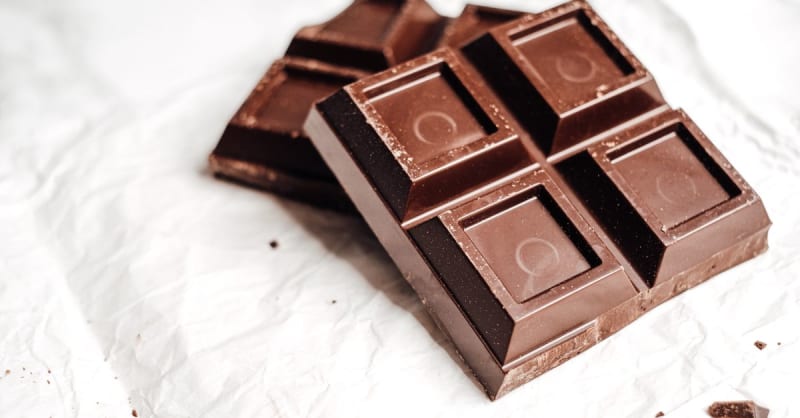
How to Eat It Safely
Stir a few squares of gluten-free Chocolate into your morning oatmeal for a cozy, nutrient-boosted breakfast.
- We like to melt certified gluten-free Chocolate chips for fondue on family movie nights, just double check the label before melting.
- Layer dark Chocolate pieces into trail mix for a balanced snack you can pack for work or school.
- I love baking gluten-free brownies using brands like Enjoy Life or bars from Thrive Market, where Chocolate gluten-free options are clearly marked.
- Pick up mini bars at Target for easy lunchbox treats, especially before school parties or sleepovers.
- Try Chocolate shavings over homemade dairy-free ice cream for a celiac-safe dessert, Is Ice Cream Gluten Free? has more tips.
- Experiment with Chocolate in savory dishes like mole for weeknight dinners, just confirm every ingredient is gluten free.
Who Should Avoid It?
Most people can safely enjoy Chocolate gluten free options, but certain groups need to be extra careful. If you have severe celiac disease, a wheat allergy, or a history of reacting to even trace gluten, it’s smart to be cautious with bulk, flavored, or mass-produced Chocolate. Individuals with severe dairy allergies, soy allergies, or who practice strict vegan diets may also want to avoid some forms of Chocolate due to possible shared equipment or cross-contact with milk or soy. Finally, anyone following a strict FODMAP diet or who is highly sensitive to caffeine may need to limit intake.
- People with celiac disease who react to traces of gluten
- Those with wheat, barley, or rye allergies
- Anyone with highly sensitive dairy or soy allergies
- Strict vegans (unless using certified vegan Chocolate)
- People following a low-FODMAP or low-caffeine diet
What Is It?
Rich, velvety, and found in almost every American pantry, Chocolate is as versatile as it is beloved. From holiday desserts to everyday snacks, you’ll spot it in bars, chips, powders, and even savory sauces. Chocolate comes from roasted cacao beans, which are ground, blended with sugar and milk (in the case of milk Chocolate), and shaped into the treats we know and love.
In my experience, the highest-quality Chocolate, think single origin or artisanal bars, usually contains fewer additives, making gluten risks easier to spot. Popular US brands include Hershey’s, Ghirardelli, Lindt, and Endangered Species. Nutrition-wise, Chocolate is a source of magnesium and antioxidants, especially in dark varieties, and can support heart health and mood.
If you’re choosing a gluten-free Chocolate, look for simple ingredient lists: cocoa or cacao, sugar, cocoa butter, and milk for milk Chocolate. But does Chocolate contain gluten? That depends on what’s mixed in, so knowing your ingredient labels is half the battle. We often recommend checking both the main label and small print for hidden gluten cues.
Cross-Contamination Risk
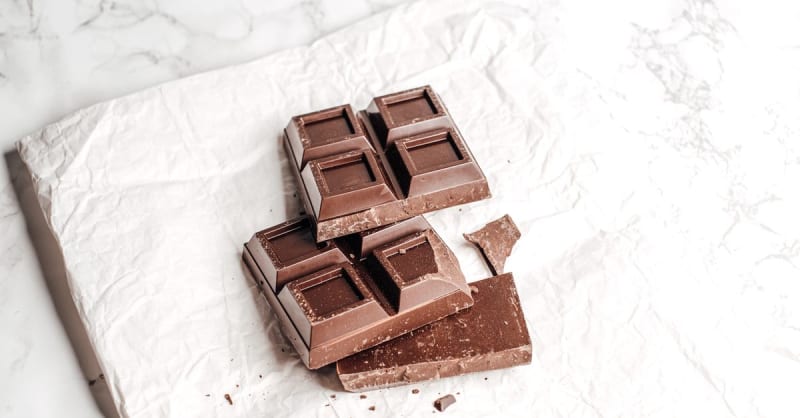
Cross contamination is where the Chocolate gluten story gets complicated. Even though Chocolate itself doesn’t have gluten, it’s often manufactured in facilities that also process gluten-containing treats, think cookies, pretzels, or crispy bars.
Bulk bins at stores like Whole Foods or Sprouts Farmers Market pose a particular risk: scoops or tongs can transfer crumbs from one bin to another, making cross contamination much more likely. I’ve seen cross contamination most often when Chocolate is sold loose, displayed alongside bakery goods, or repackaged in store delis.
Flavored or coated Chocolates (like chocolate-covered pretzels) are also high risk, since they’re nearly always made near wheat-based snacks. At restaurants, Chocolate desserts are often prepped next to gluten-containing pastries or ice creams, so cross contamination is tricky to avoid unless clear precautions are in place.
The best way to minimize risk is to buy certified gluten-free Chocolate, which is tested specifically for cross contamination. And don’t be shy, at places like ice cream parlors or bakeries, ask staff if their Chocolate items are handled separately from wheat-based treats. Beyond Celiac has even more on safe shopping.
To be extra cautious, stick with sealed, certified products and avoid bulk bins if you need Chocolate gluten free peace of mind.
Is It Naturally Gluten-Free?
The short answer on Chocolate and gluten: no gluten, no problem - in plain form. Chocolate itself is made from cacao beans, which are naturally gluten free. But here’s the thing: even though Chocolate contains no gluten on its own, what ends up in the wrapper can be a different story.
The FDA's 20 ppm rule helps when you see a gluten-free label, but it only applies if the Chocolate is specifically labeled or certified. Under FDA rules, any product carrying a gluten-free label must test below 20 ppm of gluten, this is the current safety standard in the US.
In practice, that means plain dark or milk Chocolate, with no added cookies, wafers, or malt ingredients, is usually a safe bet for anyone searching for Chocolate gluten free treats. But the reality is, plenty of Chocolate products get extra ingredients, think crispy pieces, cookie bits, or barley malt, that can introduce gluten.
That’s why even for Chocolate and gluten, label reading is your best friend, especially if you’re managing celiac disease. If you want extra peace of mind, look for a certified gluten-free Chocolate, as these undergo more rigorous testing. Celiac disease affects around 3 million Americans, so you’re definitely not alone in this grocery store detective work.
Common Gluten Risks
Chocolate is generally low risk for gluten, but certain forms can surprise you. For instance, white Chocolate and flavored or filled Chocolates are more likely to contain gluten-laden ingredients. Add-ins like cookie bits, biscuit pieces, or crispy rice are often made with wheat.
I’ve noticed that seasonal treats, think holiday-shaped Chocolates or novelty bars, frequently sneak in barley malt or wheat starch as a binder. Some chocolate chips or spreads may use modified food starch, which can derive from wheat if not specified.
If you’re buying Chocolate gluten-free options, check the ingredient list for any mention of wheat, barley, rye, or malt, especially in flavored or mixed Chocolates. If you see a 'may contain wheat' warning, it’s best to skip it. For bakery or café Chocolates, ask if their truffles or brownies include wheat-based ingredients or are made on shared equipment.
Bottom Line — Is Chocolate Gluten Free?
Next time you’re in the grocery aisle facing a Chocolate label, you’ll know exactly what to look for. Most plain Chocolate is gluten free, but not all Chocolate gluten free products are created equal, especially with added flavors or bakery treats.
For the safest starting point, I recommend picking up Enjoy Life’s certified gluten-free Chocolate, especially if you’re shopping for yourself or a loved one with celiac disease.
Editorial Process
This article was written and reviewed by the Gluveto Editorial Team for factual accuracy, gluten-free safety, and alignment with current FDA labeling guidance.
We reference trusted organisations including the Celiac Disease Foundation and the FDA when evaluating foods and ingredients.


