
Is Cheesecake Gluten Free? What You Need to Know

Quick Answer
Is Cheesecake Gluten Free?
Is Cheesecake gluten free? Sometimes, but it depends on the crust, mix-ins, and toppings. Cheesecake gluten free versions can still hide gluten in graham crusts or cookie crumbs. Look for certified gluten-free Cheesecake when you need the safest option.
A slice of cheesecake can feel like the easy win at a birthday dinner, especially when everyone else is passing around cake and you just want dessert that feels normal. But if you’re managing celiac disease or gluten sensitivity, that creamy slice can turn into a label-reading puzzle fast. Is Cheesecake safe for a gluten-free diet when the menu says it’s "classic" or "housemade"? Not always.
That’s where the confusion starts. In my experience helping people navigate gluten-free eating, the label confusion on this one is real. The filling may be fine, but the crust, toppings, and bakery setup can change the answer in a hurry. And if you’re trying to stock the fridge for the week, can you eat Cheesecake on a gluten-free diet without second-guessing every bite?
Let’s sort out what’s safe, what’s risky, and what to look for before you buy.
Also Read
Common Gluten Risks
Cheesecake gluten free questions usually get tricky because the dessert itself is only part of the story. The biggest risks are the crust, add-ins, and bakery handling, and I’ve seen plenty of people get tripped up by a slice that looked plain at first glance.
A graham cracker crust is the classic example. Brands like Nabisco Honey Maid graham crackers and Keebler cookie crumbs are common in homemade or bakery versions, and both can put wheat right back into the dessert. A cheesecake bar made with Oreo crumbs, Biscoff cookie crumbs, or a pretzel crust is another obvious risk. Even if the filling is fine, those bases are not.
Then there are flavor add-ins. A strawberry cheesecake with cookie dough pieces, a caramel cheesecake with malted drizzle, or a seasonal version with brownie chunks can all introduce gluten through mix-ins. Some restaurant desserts also use flour-thickened sauces or shared garnish bins, so does Cheesecake contain gluten? The answer can shift from one menu item to the next.
Good news. The safest habit is to ask about the crust first, then the toppings, then any flavor swirls or mix-ins before you order or buy.
Who Should Avoid It?
Cheesecake isn’t a great default choice for everyone, even when the gluten issue is solved. If you have celiac disease, gluten sensitivity, or you’re still reacting to trace exposure, the crust, toppings, and shared bakery tools can make a dessert risky fast. And if you’re watching added sugar or saturated fat, this is one of those foods that can push your numbers up quickly without giving much fiber back.
- People with celiac disease should avoid traditional cheesecake unless the product is clearly verified gluten free and handled separately.
- Anyone with gluten sensitivity may want to be cautious with bakery slices that don’t list ingredients.
- If dairy doesn’t sit well with you, cream cheese based desserts can be rough even when they’re gluten free.
- If you’re buying for a mixed household, keep a separate container for safe slices so no one serves from the wrong pan.
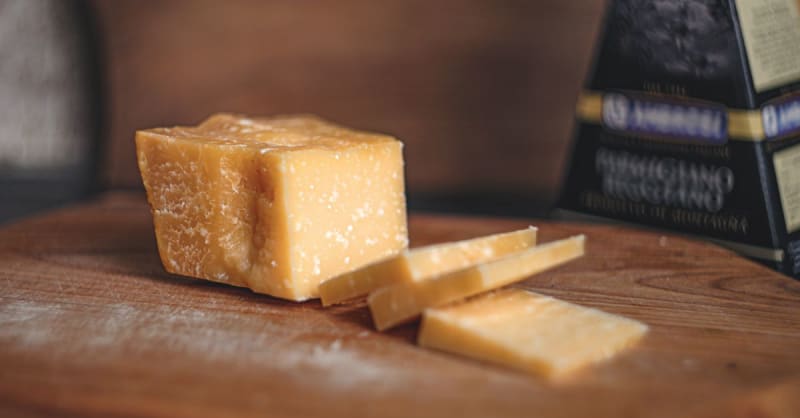
How to Eat It Safely
For weeknight dinners, keep a small slice of gluten-free Cheesecake in the fridge as a planned dessert. It’s easier to stay consistent when the safe option is already portioned and labeled.
- At Thanksgiving, ask whether the cheesecake was made with a separate crust and separate utensils. I love when families label the dessert tray clearly, because it keeps you from guessing in a busy kitchen.
- During lunchbox prep, pack cheesecake only if it’s from a trusted certified product or a homemade batch you control. A small square can work as a treat alongside fruit and yogurt.
- For meal prep Sundays, freeze individual slices in airtight containers so you can grab one when you actually want it. We like to wrap each piece separately so the crust stays intact.
- At backyard BBQs, skip the unlabeled bakery tray unless someone can tell you exactly what’s in the crust. Fruit-topped cheesecake can look simple while still hiding cookie crumbs or shared garnish.
- If you’re ordering from a restaurant, ask whether they have gluten-free Cheesecake brands in sealed packaging or a dedicated dessert prep area. That one question can save you from a cross-contact headache later.
Cross-Contamination Risk
Cross contamination with Cheesecake is more food-specific than people realize. Here's where it actually happens. In American restaurants, cheesecake is often sliced on the same cutting board used for flour-based cakes, plated with the same spatula, or stored near cookie bars and pie crumbs. That matters because cross contamination can happen after the dessert is technically baked and cooled.
Shared prep spaces are a big issue too. A bakery might use the same mixer bowl for regular cheesecake and a gluten-free version, or a restaurant might garnish slices from the same topping station where cookie crumbs and granola are scattered around.
Shared fryers can matter if the dessert menu includes fried items, but for cheesecake the bigger risks are the prep tools, crumb-covered surfaces, and scoop contamination from shared topping containers. Beyond Celiac has good background on how easily these small exposures add up, and Beyond Celiac is worth a look if you’re trying to explain the risk to family or staff.
In my experience, the safest restaurant move is to ask whether the slice is plated from a separate prep area and whether the crust is made in-house or from a shared bakery case. If you’re buying packaged cheesecake, look for the exact words certified gluten free and a gluten-free seal from a third-party certifier.
Also check whether the product says gluten free cheesecake or if it only says cream cheese filling, because Cheesecake and gluten can still meet in the crust.
Health Benefits
Protein and fat: Cheesecake can offer a little staying power because cream cheese and eggs bring some protein and fat to the plate. That doesn’t make it a health food, but it can be more satisfying than a candy-based dessert.
- Calcium: Dairy-based cheesecake usually provides calcium from cream cheese and sometimes sour cream. Calcium supports bone health, which is one reason some people like a small portion as an occasional dessert.
- Portion control: A rich dessert can make a satisfying ending in a small serving. For meal preppers, that can help keep dessert from turning into an all-night snack situation.
- Energy boost: The sugar and fat in gluten-free Cheesecake can give a quick energy lift after a long day. That said, it’s best treated as a treat, not a daily fuel source.
- Customizable base: A gluten-free Cheesecake can be made with almond flour, oat-free nut crusts, or other alternatives that fit your routine. That flexibility helps if you’re also watching carbs or meal planning for the week.
- Comfort factor: Dessert matters for real life, too. A slice of gluten-free Cheesecake can help people feel included at gatherings without giving up the foods they enjoy.
- Recipe control: Homemade gluten-free Cheesecake lets you manage the ingredients more closely. That means you can lower the sugar, use a certified crust, or skip toppings that don’t fit your goals.
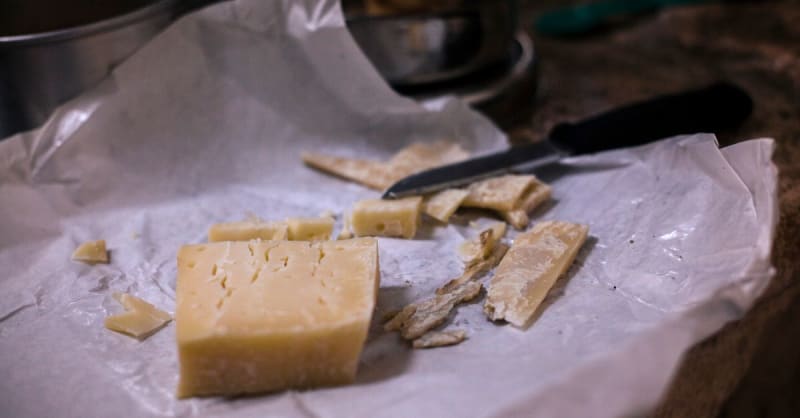
Is It Naturally Gluten-Free?
Cheesecake has no relationship with gluten at the ingredient level. The filling is usually built from cream cheese, sugar, eggs, and vanilla, so the dairy base itself doesn’t bring gluten along for the ride.
The labeling gap is the tricky part, because a food can be naturally gluten free and still not wear a gluten free claim on the package if the company hasn’t tested it or chosen to certify it. That doesn’t mean it’s unsafe. It just means the buyer has to do a little more work.
In my experience helping people navigate gluten-free eating, the label confusion on this one is real. A plain cheesecake might never say "gluten free" even when the ingredients are fine, while a flavored version can quietly pick up gluten from a crust or topping.
If you’re scanning a package, FDA gluten-free labeling rules matters because the FDA rule sets the standard for what can legally carry that claim in the US. To carry a gluten-free label in the US, a product must contain fewer than 20 ppm of gluten per FDA standards. That benchmark helps, but it still doesn’t replace reading the full ingredient panel.
What Is It?
Cheesecake has a long hold on American dessert tables, from holiday spreads to restaurant menus where it shows up plain, swirled, topped with fruit, or layered into bars. In home kitchens, it’s usually a cream cheese based dessert baked in a crust, though no-bake versions are common too.
I’ve found that people often think of it as a "safer" dessert because the filling feels simple, but the crust is where the gluten question usually starts.
Most traditional versions use graham cracker crumbs, cookie crumbs, or flour in the base. That means the dessert can be rich in calories, fat, and sugar without offering much fiber. We often recommend thinking about cheesecake as an occasional treat rather than an everyday staple, especially if you’re meal prepping and trying to keep the week balanced.
Popular US brands and grocery store bakery versions vary a lot, so a plain-looking slice doesn’t tell you much on its own.
Celiac Disease Safety
Plain Cheesecake and celiac disease aren't in conflict. The processed versions are a different story. Can people with celiac disease eat Cheesecake? Yes, but only when the full product, including crust and toppings, is verified as gluten free and handled safely.
Hidden forms show up in dessert trays, restaurant specials, cheesecake bars, and even “gluten-free” bakery cases where a slice can still be cut with the same knife used for wheat desserts.
I’ve noticed people miss cheesecake most often when it’s tucked into mixed dessert platters, holiday buffets, or restaurant menus that don’t list every ingredient. It can also hide in dessert cups, parfait-style desserts, and plated specials that use cookie crumbs or brownie bases.
Celiac disease is more common than most people realize, affecting about 1 in 100 Americans, so those little hidden exposures matter. The Celiac Disease Foundation has solid practical guidance on label reading and safe food choices, and Celiac Disease Foundation is a helpful resource if you’re building a safer routine.
Cheesecake safe for celiac disease usually comes down to one action: choose a certified gluten free product or a dessert from a kitchen that has a documented gluten-free prep process. That single step changes the risk more than any guesswork ever will.
Bottom Line — Is Cheesecake Gluten Free?
Cheesecake earns a place on most gluten-free shopping lists - with one caveat about how it's processed. If you remember nothing else, check the crust, because that’s where wheat sneaks in most often.
A certified gluten free label or a clearly verified homemade recipe gives you the best shot at a safe slice, especially if you’re managing celiac disease or reacting to trace gluten. Next time you buy or order it, ask about the crust first, then the utensils, then the toppings. That one habit can save you a lot of guesswork, and I’d use it every time.
Editorial Process
This article was written and reviewed by the Gluveto Editorial Team for factual accuracy, gluten-free safety, and alignment with current FDA labeling guidance.
We reference trusted organisations including the Celiac Disease Foundation and the FDA when evaluating foods and ingredients.


