
Is Soy Sauce Gluten Free? What You Need to Know

Quick Answer
Is Soy Sauce Gluten Free?
Is Soy Sauce gluten free? No, most Soy Sauce contains gluten due to wheat in the recipe, so Soy Sauce gluten free options require careful label reading. For safety, choose certified gluten-free Soy Sauce or labeled gluten-free options every time.
Standing in the kitchen, lunchbox in hand, it’s easy to second-guess: is Soy Sauce gluten free or another worry for your gluten-free kid? Parents ask me daily if Soy Sauce sneaks in gluten, and for good reason. This simple bottle is a staple in sushi kits, marinades, and lunch-packing for millions of American families.
From what I’ve seen working with gluten-sensitive readers over the years, the confusion isn’t just about allergies or preference, sometimes it’s about a serious diagnosis like celiac disease. With so many wellness trends pushing “gluten-free” as an ideal, it’s tempting to hope Soy Sauce is safe. But is Soy Sauce safe for a gluten-free diet?
And, for celiac families, can people with celiac disease eat Soy Sauce without risk? You’re not alone if the connection between Soy Sauce and gluten leaves you scanning every label twice. Let’s clear it up.
Also Read
Health Benefits
Umami flavor boost: Soy Sauce gluten free versions, like tamari, can deliver punchy, complex flavor to gluten-free dishes without added calories.
- Low in calories: Each tablespoon of Soy Sauce has about 10 calories, making it a popular way to season without adding bulk.
- Contains amino acids: Both regular and gluten-free Soy Sauce provide small amounts of amino acids that support overall nutrition.
- Potential antioxidant properties: Some studies suggest Soy Sauce contains beneficial antioxidants, though amounts vary and aren't a replacement for fruits or veggies.
- May help reduce salt use: Because Soy Sauce is so flavorful, people sometimes find they can cut back on total salt in recipes by using a splash of gluten-free Soy Sauce.
- Widely available: Gluten-free Soy Sauce brands are now easy to find at most major US supermarkets and specialty health stores.
- Safe for most special diets: Soy Sauce gluten free options fit vegan, vegetarian, and dairy-free diets, just double-check the ingredient list.
How to Eat It Safely
Add a splash of gluten-free Soy Sauce to your weeknight stir fry for bold flavor without gluten worries.
- We like to substitute tamari in homemade marinades for chicken or tofu, it’s a direct swap and kid-friendly.
- Pack single-serve gluten-free Soy Sauce packets in your child’s lunchbox when sending sushi or rice rolls to school.
- Try coconut aminos for a soy-free, gluten-free option in salad dressings or dipping sauces; you can find them at Whole Foods and Trader Joe's.
- Mix gluten-free Soy Sauce into meal prep veggies for a savory, umami kick, roasted broccoli or snap peas are favorites in my house.
- Reach for trusted gluten-free Soy Sauce brands at stores like Walmart or Amazon to stock your pantry with safe options.
- I love using certified gluten-free Soy Sauce for backyard barbecue marinades, it always gets rave reviews from both gluten-free and gluten-eating friends.
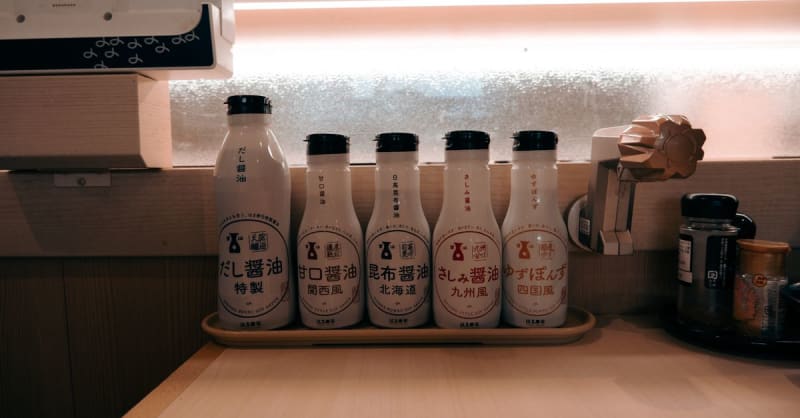
Who Should Avoid It?
Anyone with celiac disease, gluten intolerance, or wheat allergy needs to take Soy Sauce gluten free concerns seriously. Because wheat is used in almost all standard Soy Sauce, people with these sensitivities face real health risks, including digestive and immune reactions, even from small amounts. In my experience, families with celiac disease are safest skipping all unlabeled Soy Sauce and sticking to trusted gluten-free alternatives. If you're not sure how a sauce was made, it's better to be safe than sorry.
- People diagnosed with celiac disease
- Anyone following a medically necessary gluten-free diet
- Those with non-celiac gluten sensitivity or wheat allergy
- Individuals who react to even trace gluten in processed foods
What Is It?
Picture almost any American kitchen, there’s a good chance you’ll spot a bottle of Soy Sauce tucked near the stove or in the fridge. Originating from China and beloved across Asian cuisine, Soy Sauce (also called shoyu) is a dark, salty liquid created by fermenting soybeans, grains, water, and salt.
In the US, household brands like Kikkoman and La Choy often make an appearance at sushi counters, takeout restaurants, and in homemade stir-fry sauces. Nutrition-wise, Soy Sauce is low in calories and adds umami flavor, but it’s also quite high in sodium, something many parents are watching for their kids.
We often recommend checking sodium content if you use Soy Sauce regularly. In my experience, even families who are diligent about label reading can miss the gluten risk, partly because Soy Sauce isn’t obviously a grain-based product like pasta or bread. That’s where understanding Soy Sauce gluten free labeling comes into play.
Is Soy Sauce just soybeans and salt, or does Soy Sauce contain gluten? That depends on the exact recipe and processing.
Cross-Contamination Risk
The gluten-free label on Soy Sauce tells you more than the ingredient list does - here's why. Many major brands process both regular (wheat-based) Soy Sauce and gluten-free alternatives (like tamari) in the same facilities, sometimes even on the same equipment.
That means cross contamination with gluten-containing foods (such as teriyaki sauce, miso paste, or even wheat-based marinades) is a real concern, especially for those with celiac disease. From what I've seen with families I advise, even the tiniest residue from a previous product run can trigger symptoms.
At restaurants, Soy Sauce dispensers are often refilled from bulk containers, which may have been exposed to wheat-based products. Flavored Soy Sauce blends increase the risk: many incorporate additional wheat, barley flavorings, or even rye-based seasonings, further complicating things for the sensitive eater.
Home kitchens can be risky too, one spoonful shared between a 'regular' and a gluten-free bottle is enough for cross contamination. According to Beyond Celiac, anyone with celiac disease or severe gluten sensitivity should prioritize certified gluten-free Soy Sauce brands.
When shopping, look for the words 'certified gluten-free' or the Circle GF logo; on restaurant menus, ask for single-serve packets labeled gluten-free to reduce the risk.

Is It Naturally Gluten-Free?
Soy Sauce is one of the grains that actually contains gluten - wheat's close relative in that regard. The catch is, Soy Sauce isn’t technically a grain at all, it’s a sauce, but traditional recipes call for both soybeans and wheat. Gluten comes from the wheat protein, not the soybeans, so you’re not dealing with the same seed-to-grain clarity as with quinoa or rice.
This is why people searching 'is Soy Sauce gluten free' need to look beyond just the word 'soy.' Many popular brands blend wheat with soybeans during fermentation, which means Soy Sauce does contain gluten by default. Tamari is the main gluten-free Soy Sauce option in the US, but even tamari can sometimes include small amounts of wheat.
Under FDA rules, any product carrying a gluten-free label must test below 20 ppm of gluten, so the most reliable way to shop is to look for a certified gluten-free Soy Sauce label. If you see 'gluten-free' on the front and it’s listed under FDA gluten-free labeling rules, it’s your best bet.
Always check for 'contains wheat' or 'certified gluten-free' when buying Soy Sauce, and treat any unlabeled bottle with caution.
Common Gluten Risks
Regular Soy Sauce remains one of the most common hidden gluten sources in American kitchens. The classic brewing process uses both soybeans and wheat, so the starting ingredient list is the first risk. Packets from takeout restaurants, bottles on sushi bars, and standard grocery store Soy Sauce nearly always contain wheat-derived gluten.
Even some so-called 'less sodium' or 'organic' versions keep the wheat in the recipe. I’ve noticed that even the 'lite' varieties or those labeled 'natural' offer no guarantee of being a Soy Sauce gluten free product.
If you’re buying Soy Sauce gluten-free options, like tamari or coconut aminos, always verify the labeling, since certain flavored varieties (think: teriyaki Soy Sauce blends or dipping sauces) can sneak in malt vinegar or modified food starch from barley. The answer to 'does Soy Sauce have gluten' is almost always yes, unless you’ve spotted a specific gluten-free label.
When eating out, ask for ingredient lists or opt for a sealed gluten-free packet if available.
Celiac Disease Safety
Unlike most whole food questions, the celiac answer for Soy Sauce is clear-cut - and it isn't the one people hope for. If you have celiac disease, all traditional Soy Sauce varieties should be considered risky, no matter the brand.
Here’s the safety hierarchy I give my readers: certified gluten-free options (like tamari with a 'gluten-free' certification) are the safest; next are specifically labeled bottled gluten-free Soy Sauces from trusted brands; after that come coconut aminos and similar alternatives.
Regular restaurant Soy Sauce is the riskiest, cross contamination and wheat content are likely, especially at sushi bars and Chinese takeout. Even flavored or low-sodium Soy Sauce can have just as much gluten as the regular kind. Celiac disease is more common than most people realize, affecting about 1 in 100 Americans, so you’re not alone in asking these questions.
According to the Celiac Disease Foundation, Soy Sauce safe for celiac disease should always carry a clear gluten-free certification, never trust a bottle just because it looks simple. I recommend starting with tamari brands that are certified gluten-free, widely available at most large US grocery stores.
Bottom Line — Is Soy Sauce Gluten Free?
Knowing that Soy Sauce contains gluten is only half the answer. The other half is knowing what to reach for instead. If you need Soy Sauce gluten free for school lunches or family meals, make 'certified gluten-free' your non-negotiable filter. Tamari and coconut aminos are excellent stand-ins, with more brands every year catering to celiac needs.
Next time you’re shopping or ordering takeout, check for gluten-free labeling, one simple step that protects your family’s health. I promise, after you’ve made the switch, you’ll start spotting those hidden sources before they cause stress.
Editorial Process
This article was written and reviewed by the Gluveto Editorial Team for factual accuracy, gluten-free safety, and alignment with current FDA labeling guidance.
We reference trusted organisations including the Celiac Disease Foundation and the FDA when evaluating foods and ingredients.
Frequently Asked Questions
Related Foods to Explore

Is Teriyaki Sauce Gluten Free?
Is Teriyaki Sauce gluten free.

Is Worcestershire Sauce Gluten Free?
Is Worcestershire Sauce gluten free.

Is Mayo Gluten Free?

Is Better Than Bouillon Gluten Free?
Is Better Than Bouillon gluten free.

Is Ketchup Gluten Free?
Is Ketchup gluten free.