
Is Teriyaki Sauce Gluten Free?

Quick Answer
Is Teriyaki Sauce Gluten Free?
Is Teriyaki Sauce gluten free? Usually no, because most versions use soy sauce or other wheat-based ingredients. Teriyaki Sauce and gluten can also vary by brand and restaurant. Look for certified gluten-free Teriyaki Sauce when you're meal prepping.
Gluten-free labels can feel confusing fast, especially when a sauce looks simple but the ingredient list tells a different story. If you're managing celiac disease, gluten sensitivity, or just trying to keep weeknight meals predictable, you deserve a clear answer without the guesswork. So, is Teriyaki Sauce safe for a gluten-free diet? In most cases, no.
And if you're asking can people with celiac disease eat Teriyaki Sauce, the safest starting point is to assume the standard bottle isn't reliable until you verify the label. We see this question all the time from meal preppers who want one sauce they can trust for an entire week, not a new problem at dinner time.
Also Read
How to Eat It Safely
Meal prep Sundays: Use gluten-free teriyaki as a marinade for chicken thighs or tofu, then portion it with rice and broccoli for the week. I like to keep the sauce separate until serving so the texture stays better.
- Lunchboxes: Spoon a small amount over rice bowls or meatballs, then pack extra sauce in a leakproof cup. That keeps the lunch from getting soggy and lets you control how much sodium you use.
- Weeknight dinners: Pair a gluten-free Teriyaki Sauce with salmon, green beans, and jasmine rice for a fast plate. If you want more control, simmer the sauce for a minute before tossing it with the protein.
- Backyard BBQs: Brush a certified gluten-free glaze onto grilled chicken only after the meat is nearly done. We like to keep a clean brush just for the gluten-free batch so there isn't any mix-up.
- Thanksgiving sides: A light teriyaki drizzle can work on roasted carrots or Brussels sprouts when you want a sweeter savory note. Use a gluten-free Teriyaki Sauce and keep it away from shared serving spoons.
- Freezer meals: Mix the sauce into pre-portioned stir-fry kits so you can thaw and cook without extra steps. That makes it easier to rely on the same safe flavor all week.
- Quick snacks: Stir a little into scrambled eggs or use it as a dip for rice cakes if you want something savory fast. A gluten-free Teriyaki Sauce brand can give you a dependable backup when you're tired and hungry.
Who Should Avoid It?
Teriyaki Sauce isn't a great choice for people who need a strict gluten-free diet unless the bottle is clearly labeled and verified. If you have celiac disease, wheat allergy, or strong gluten sensitivity, the standard version is too risky for routine use. I usually tell readers to skip any sauce that doesn't name its soy sauce base or that comes from a shared restaurant container. That way, you're not guessing when you're trying to keep a week of meals safe.
- People with celiac disease should avoid unlabeled house-made teriyaki at restaurants.
- Anyone reacting to soy sauce-based marinades should skip standard teriyaki.
- Meal preppers who batch cook for the week should avoid loose condiment bar versions.
- Shoppers who can't confirm the ingredient list should leave it on the shelf.
Celiac Disease Safety
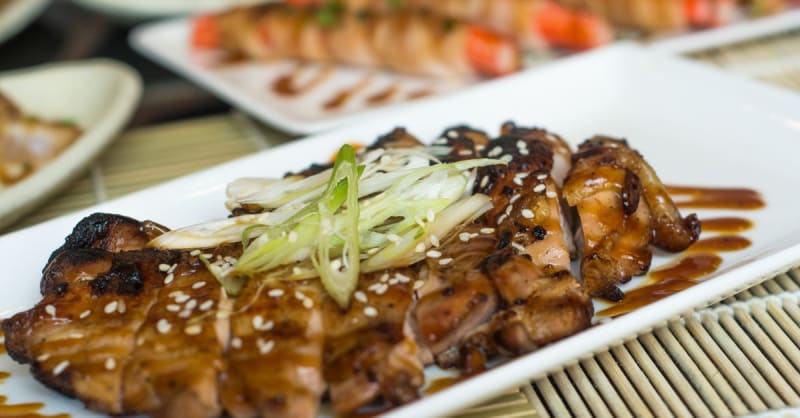
The short answer for celiac disease and Teriyaki Sauce: avoid it entirely. Here's the full explanation, and what to use instead. Can people with celiac disease eat Teriyaki Sauce? Not the standard version, because teriyaki often hides in soups, frozen dinners, bottled stir-fry sauces, seasoning blends, and restaurant dishes where wheat-based soy sauce is easy to miss.
If you live with celiac disease, the label needs to be clear enough to trust before the food ever reaches your pan. The Celiac Disease Foundation Celiac Disease Foundation has long emphasized that hidden gluten in mixed foods is a common problem, and teriyaki is a classic example.
About 1 in 133 Americans has celiac disease, roughly 1% of the population, so this is a real everyday issue for a lot of households.
Teriyaki Sauce safe for celiac disease? Only if it's specifically labeled gluten free and made in a way that keeps wheat out of the recipe and the processing line. Even then, I tell people to be extra careful with restaurant dishes, because the riskiest specific product type is usually a shared sauce used on grilled meats or noodle bowls.
If you're choosing one place to be strict, make it the sauce packet or house-made glaze.
Health Benefits
Flavor boost: Teriyaki Sauce can make simple proteins and vegetables more appealing, which helps meal preppers stick with home cooking. A little goes a long way, so you can build taste without overcomplicating dinner.
- Convenience: A bottled Teriyaki Sauce can save time on busy weeknights and reduce the urge to grab takeout. That can make weekly planning feel more realistic, especially when you're batching lunches.
- Low calorie count: Many teriyaki sauces are relatively low in calories per tablespoon, so they can fit into lighter meals. The tradeoff is that sodium is often the bigger nutrition concern.
- Versatility: Gluten-free Teriyaki Sauce works well on chicken, salmon, tofu, and roasted vegetables. I've found that one reliable bottle can anchor several meals without making the menu feel repetitive.
- Portion control: Because the sauce is concentrated, you usually need just a spoonful or two for strong flavor. That helps keep meals balanced while still tasting satisfying.
- Marinade helper: Teriyaki Sauce and gluten-free versions can do double duty as both a marinade and a finishing sauce. We like that for meal prep because it cuts down on extra ingredients.
- Cultural connection: Teriyaki Sauce brings a familiar Japanese-inspired flavor to American kitchens and can encourage more home cooking. That matters when you're trying to keep weeknight meals predictable and safe.
Cross-Contamination Risk
For Teriyaki Sauce buyers with celiac disease, cross contamination is the variable that matters most. That risk shows up most often in flavored versions, seasoning blends, and restaurant sauces that share prep tools with wheat-based marinades.
A teriyaki glaze poured from a shared squeeze bottle can pick up crumbs from buns, breaded proteins, or reused brushes, and that's where cross contamination sneaks in.
Packaged kits and coated varieties are another place I watch closely. A stir-fry kit may include a teriyaki packet, a noodle base, or a spice blend that looks harmless until you spot wheat in the seasoning mix. We've heard from readers who bought a product labeled as a meal kit, only to find the sauce packet was the real problem.
That's why I point people to Beyond Celiac Beyond Celiac when they want practical support for restaurant and packaged-food risk.
Cross contamination can also happen in bulk condiment stations, deli-style takeout bars, and shared back-of-house prep areas. Even a gluten-free labeled sauce can be risky if it's ladled into a container with other sauces or used on breaded items. The cross contamination risk here is moderate, and the best prevention step is to buy sealed, labeled bottles instead of loose restaurant sauce.
Common Gluten Risks
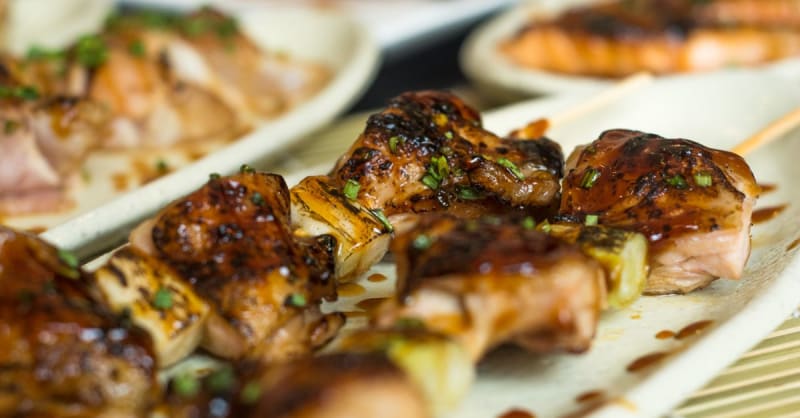
Teriyaki Sauce has a moderate gluten risk, and the problem usually starts with the base ingredients, not the sweet glaze on the label. The most common issue is wheat-based soy sauce, which shows up in many bottled versions and restaurant marinades.
Kikkoman Teriyaki Sauce is a good example to check closely, because some shoppers assume the brand name alone tells the whole story. Trader Joe's Teriyaki Sauce can be another watch item, especially if you're buying a seasonal or reformulated version.
I also look closely at ingredient terms like malt vinegar, modified food starch, and hydrolyzed wheat protein when I scan sauces and marinades. Those are the kinds of details that tell you whether Teriyaki Sauce contains gluten.
Restaurant teriyaki bowls can be trickier than bottled versions because the sauce may be mixed into pre-seasoned chicken, stir-fry kits, or noodle dishes. If you're shopping for gluten-free Teriyaki Sauce brands, don't stop at the front label. Check the allergen statement, then verify the soy sauce base and any seasoning packet before it goes into your cart.
Is It Naturally Gluten-Free?
No amount of processing makes Teriyaki Sauce gluten free -- the gluten is in the grain itself. What matters is whether the sauce was made with wheat-based soy sauce, tamari, or another gluten source before it ever hit the bottle. In other words, cooking, simmering, and bottling don't remove gluten from a soy sauce-based product.
Here's where processing does matter for this food: a plain homemade teriyaki made with gluten-free tamari, sugar, ginger, garlic, and cornstarch can be safe, while a commercial bottle may not be. We've tested and researched this category extensively over the years, and the biggest issue is usually the base sauce, not the sweetness or the thickening step.
If you're comparing labels, FDA gluten-free labeling rules explains the standard most packaged foods need to meet. The FDA's gluten-free threshold is 20 ppm, the level considered safe for most people with celiac disease.
That level matters because even a small amount can be enough to cause symptoms for sensitive eaters. So if you're meal prepping, treat the base ingredient list like the real decision point, not the marketing front label. A sauce can be processed, thickened, and bottled and still be unsafe if the grain source isn't right.
And that's why Teriyaki Sauce and gluten need a careful label check every single time.
What Is It?
Teriyaki Sauce shows up everywhere in American kitchens now, from salmon bowls to chicken meal prep, because it adds sweet-salty depth fast. The classic style comes from Japanese cooking, but the versions most of us buy in the US are often adapted for convenience and shelf life. That means the ingredient list can look very different from one bottle to the next.
I've found that shoppers often assume all teriyaki tastes the same, then get surprised by how much the label changes between brands. Kikkoman Teriyaki Sauce is one of the most familiar names on US shelves, and Trader Joe's Teriyaki Sauce is another common pick for quick dinners.
Some versions are lower in calories, but sodium is usually the main nutrition number to watch if you're using it often. We often recommend reading teriyaki like you would any other packaged sauce: flavor first, then label details, then serving size.
Bottom Line — Is Teriyaki Sauce Gluten Free?
On a gluten-free diet, Teriyaki Sauce is off the list. What matters now is knowing the safer swaps. If you want the flavor without the stress, choose a labeled gluten-free bottle and keep it in your meal prep rotation. That way, you know something most people don't: the sauce is only safe when the label, the ingredients, and the kitchen all line up.
And once you spot that, you can shop with confidence, which is exactly what I want for you.
Editorial Process
This article was written and reviewed by the Gluveto Editorial Team for factual accuracy, gluten-free safety, and alignment with current FDA labeling guidance.
We reference trusted organisations including the Celiac Disease Foundation and the FDA when evaluating foods and ingredients.


