
Is Quinoa Gluten Free?

Quick Answer
Is Quinoa Gluten Free?
Is Quinoa gluten free? Yes, plain quinoa is naturally gluten free. Quinoa can still be a problem if it’s mixed with wheat ingredients or processed in shared facilities. Certified gluten-free Quinoa is the safest label to grab.
A lot of people first ask this while staring at a bag of grain bowls, trying to keep dinner simple after a celiac diagnosis or during a gluten sensitivity trial. Quinoa has also gotten caught up in wellness trends, so it shows up in everything from salad kits to breakfast porridge, which can make the label feel harder than it should. Is Quinoa safe for a gluten-free diet?
For most people, yes, but the details still matter. Working with celiac communities, I see this question come up every single week. And if you’re wondering can people with celiac disease eat Quinoa, the short answer is yes, with a few smart checks at the store.
Also Read
How to Eat It Safely
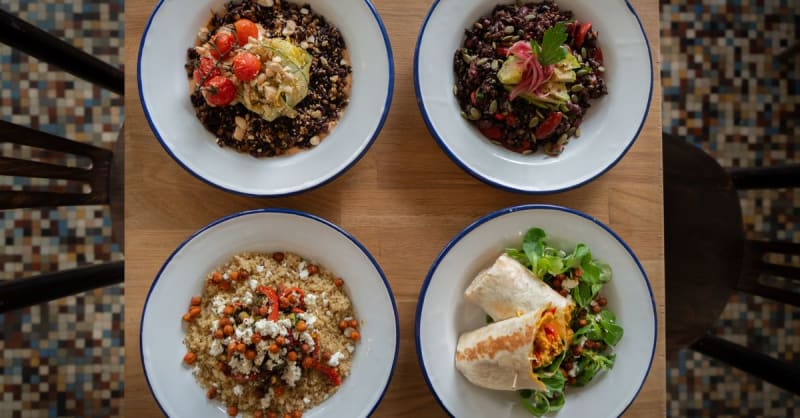
Weeknight dinners: Use Quinoa as the base for a quick bowl with roasted chicken, black beans, and salsa. It cooks fast, so it’s easy to keep dinner gluten free without feeling like you’re making a special meal.
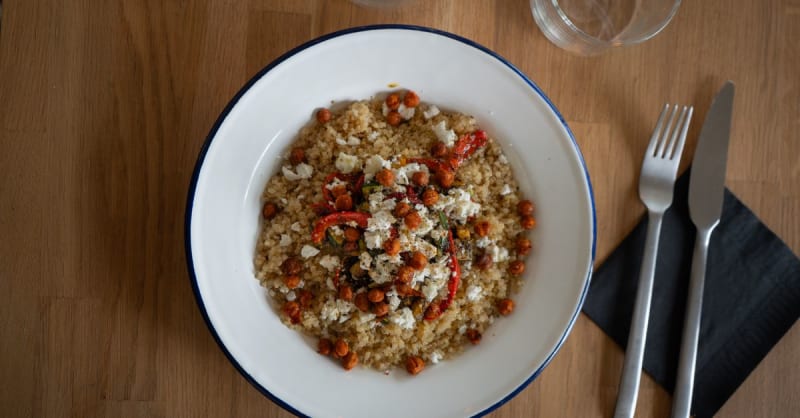
- Lunchboxes: Pack chilled gluten-free Quinoa with cucumbers, feta, olives, and lemon dressing. It holds up well in the fridge and tastes good cold, which makes it a reliable meal prep pick.
- Thanksgiving sides: Swap in Quinoa for a rice pilaf or stuffing-style side when you need a gluten-free option on a crowded holiday table. I love that it soaks up herbs and broth without getting mushy.
- Meal prep Sundays: Cook a big batch of gluten-free Quinoa and portion it into containers for the week. Add different toppings so it doesn’t feel repetitive, like pesto one day and taco-seasoned turkey the next.
- Backyard BBQs: Bring a quinoa salad instead of a pasta salad so you’ve got a safe dish to eat and share. We like to make it with corn, tomatoes, and lime for a crowd-friendly side.
- Breakfast bowls: Stir warm Quinoa with milk, cinnamon, and fruit for a high-fiber morning option. It’s a nice change if oats don’t work for you or you want another gluten-free grain to rotate in.
What Is It?
Quinoa has a long history in South American cooking, but in U.S. kitchens it’s become a weeknight staple for salads, bowls, and make-ahead lunches. You’ll see it in plain bags, microwave pouches, flakes, and even flour, which makes it useful for both savory and baked recipes.
I’ve found that many newly diagnosed readers like it because it cooks fast and feels familiar enough to replace rice in a lot of meals.
Nutritionally, it brings a lot to the table. It’s higher in protein than many grains, and it’s also a good source of fiber and essential amino acids, which is one reason it shows up so often in plant-based meals. We often recommend it to people who want a filling gluten-free base that doesn’t taste bland.
If you’re comparing it with Is Rice Gluten Free?, quinoa usually has a little more protein and fiber, which can help with satiety.
Celiac Disease Safety
Quinoa is one of the easier calls for celiac disease, as long as you know what you're buying.
Celiac disease is more common than most people realize, affecting about 1 in 100 Americans, so I always think about the grocery store decision from the perspective of someone who needs a real yes or no, not a vague maybe. Celiac Disease Foundation has solid starter guidance if you’re building your label-reading routine.
Picture the aisle: you pick up a plain bag in the rice and grain section, then turn it over and look for a short ingredient list, a clear gluten-free statement, and ideally a certified seal. Brands like Bob's Red Mill, Ancient Harvest, and Lundberg are common U.S. options to check, and certified gluten-free Quinoa is the safest habit if you’re newly diagnosed.
If the package says seasoned, pilaf, or grain blend, put it back and choose a plainer version instead.
That one certification mark makes the biggest difference for celiac safety with this food.
Cross-Contamination Risk
Some Quinoa products have zero added gluten but still carry a contamination risk. Here's where that comes from.
Quinoa is often processed near wheat, barley, rye, and oats, especially in facilities that package multiple dry goods on the same line. That matters because tiny amounts of stray flour can land in the bag during sorting, loading, or packaging.
I’ve also seen cross contamination happen with bulk-style dispensers, shared scoops, and mixed grain storage bins, which is why Beyond Celiac keeps stressing source control for celiac shoppers.
Working with celiac communities, I see this question come up every single week. The good news is that the cross contamination risk for plain quinoa is low, not high, when you buy a sealed certified product. Certified gluten-free Quinoa is the easiest prevention step, and it cuts down on the guesswork when you’re standing in the aisle.
Who Should Avoid It?
Quinoa is a good fit for most people, but a few shoppers should be more careful with the package they choose. If you have celiac disease, the main issue is not the seed itself, it’s the chance of shared equipment, flavored blends, or bulk-bin handling. Quinoa gluten free products are usually fine, but a seasoned mix or a scoop from a shared bin can be a problem if you’re highly sensitive.
- People who react to added ingredients should watch for seasoning packets, soy sauce, or barley malt in quinoa mixes.
- Anyone buying from bulk bins should ask whether the store uses dedicated scoops and covered dispensers.
- Shoppers with celiac disease should favor sealed, certified products over loose or mixed grain blends.
- If a package lists wheat, barley, rye, or an unclear “natural flavors” blend, put it back and choose a plainer option.
Common Gluten Risks
Quinoa is low risk on its own, but the problem usually shows up in the extras. Quinoa gluten free products can pick up gluten from the seasoning blend, the processing line, or the other grains mixed into the package.
A few real-world examples help. Near East and Rice-A-Roni style seasoned grain mixes often include wheat in the flavor packet or carry a shared-facility warning, so the quinoa itself isn’t the only thing to look at. Some store-brand quinoa salads and microwave bowls use soy sauce, barley malt, or wheat-based seasoning blends.
Even products that look simple, like Quaker or generic quinoa flakes, can be a concern if the line also runs oats, barley, or wheat ingredients.
Does Quinoa have gluten in these cases? Not from the seed itself, but the label can still make it unsafe. My rule is simple: if you see a flavor packet, a grain blend, or a vague allergen statement, pause and read the full ingredient list before you toss it in the cart.
Is It Naturally Gluten-Free?
From a gluten perspective, plain Quinoa is one of the simpler calls. To carry a gluten-free label in the US, a product must contain fewer than 20 ppm of gluten per FDA standards, and that matters here because plain quinoa naturally fits that rule before any seasoning or processing gets added. FDA gluten-free labeling rules gives the full labeling standard if you want the official wording.
In practice, that means unflavored quinoa, plain quinoa flakes, and plain quinoa flour can all fit a gluten-free diet when the package is handled well. Is Quinoa gluten free when it’s sold plain? Yes, and Quinoa and gluten only become a concern when ingredients or factory practices change the picture.
Certified gluten-free Quinoa options are the easiest shortcut if you’re shopping with celiac disease in mind.
That said, flavored quinoa mixes are the risky form to watch for next, especially anything with seasoning packets, soup bases, or add-in grains.
Health Benefits
Protein support: Quinoa brings more protein than many common grains, which can help meals feel more satisfying. That makes it a smart base for lunch bowls and post-workout meals.
- Fiber boost: The fiber in Quinoa can help support regularity and fullness. Many people find that a fiber-rich gluten-free staple makes it easier to stay comfortable between meals.
- Heart health support: Quinoa fits well into a heart-friendly pattern because it’s naturally low in saturated fat and works well with vegetables, beans, and olive oil.
- Meal balance: Quinoa gluten free bowls can combine carbs, protein, and produce in one bowl. That balance can help people who are rebuilding meal routines after a celiac diagnosis.
- Amino acid profile: Quinoa is known for its essential amino acids, which is one reason it’s popular in plant-based diets. It can help round out meals that otherwise lean heavily on vegetables and starches.
- Satiety help: Because quinoa has both protein and fiber, it can help with weight management by keeping you full longer. I often suggest it when someone says gluten-free meals leave them hungry too soon.
- Versatility: Quinoa and gluten-free cooking go together easily because it can play the role of rice, couscous, or a base for salads. That flexibility makes it easier to stick with a gluten-free pattern day after day.
Bottom Line — Is Quinoa Gluten Free?
Understanding Quinoa gluten status doesn't have to be complicated - and now it isn't. Plain quinoa is a dependable gluten-free staple, and the main thing to watch is whether the package has been mixed, seasoned, or processed in a way that changes the picture.
If you remember one thing from this guide, make it this: certified gluten-free Quinoa is the easiest way to shop with confidence. You now know something most people don't, and that can make the grocery aisle feel a lot less intimidating. We can all use a few more calm, sure choices when gluten-free eating is still new.
Editorial Process
This article was written and reviewed by the Gluveto Editorial Team for factual accuracy, gluten-free safety, and alignment with current FDA labeling guidance.
We reference trusted organisations including the Celiac Disease Foundation and the FDA when evaluating foods and ingredients.


