
Is Millet Gluten Free?

Quick Answer
Is Millet Gluten Free?
Is Millet gluten free? Yes, plain millet is naturally gluten free. Millet gluten free products can still pick up risk during processing or flavoring. Certified gluten-free Millet is the safest label to look for.
A warm bowl of porridge, a side of fluffy grain, or a grain bowl that looks safe can still leave you second-guessing every bite. That hesitation is real if you’re living with celiac disease or gluten sensitivity, especially when wellness trends keep putting ancient grains on menus without much explanation.
So, is Millet gluten free, and can you trust it when it shows up in a salad, pilaf, or breakfast bowl? I’ve answered this question enough times to know exactly where the confusion starts. People see Millet and gluten sitting near each other on a menu and assume there’s a hidden catch. Let’s clear that up, because can people with celiac disease eat Millet without getting sick?
In most cases, yes, but the details matter.
Also Read
What Is It?
Millet has been showing up more often in US kitchens, partly because people want whole grains that fit gluten-free eating and partly because it cooks up fast. In American grocery stores, you’ll usually see it as millet grains or millet flour, and brands like Bob’s Red Mill, Arrowhead Mills, and Anthony’s make it easier to find.
I’ve found that many readers first try it as a rice swap, then keep it around for breakfast porridge or baked goods.
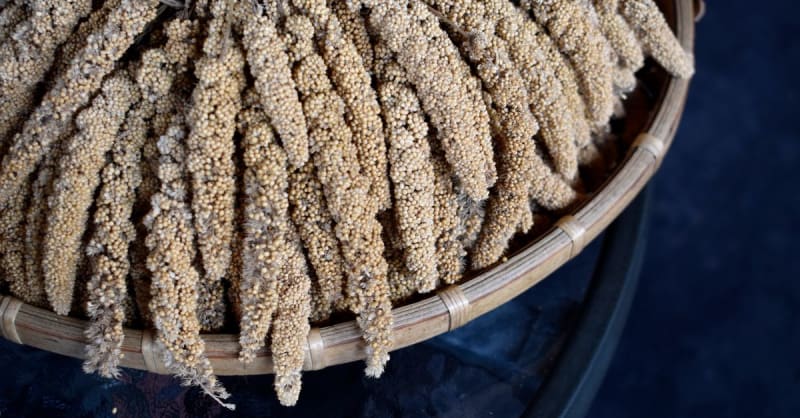
Millet is a small-seeded grain with a mild, slightly nutty flavor, and it’s naturally rich in fiber, magnesium, and phosphorus. We often recommend it to people who want more variety than rice but still need a dependable gluten-free staple. It’s also used in Indian, African, and Asian cooking, so it can bring a lot of texture to meals without a strong taste.
For anyone asking is Millet gluten free, the short answer is yes, and that’s one reason it has become a regular in so many gluten-free pantries.
Health Benefits
Digestive support: Millet is a good source of fiber, which can help keep digestion moving more smoothly. That matters if you’re trying to build meals that feel steady and filling without relying on wheat.
- Blood sugar support: Millet may help control blood sugar better than refined grains because it brings fiber and a slower digesting structure. For many people, that makes it a practical swap in lunch bowls and dinner sides.
- Mineral boost: Millet provides magnesium, which supports muscle and nerve function. It also brings phosphorus, another mineral your body uses for bones and energy metabolism.
- Gluten-free variety: Millet gluten free meals can add more grain options to a diet that starts feeling repetitive. I’ve noticed people stick with gluten-free eating longer when they have more than rice on rotation.
- Whole grain power: As a whole grain, millet gives you more of the grain’s natural fiber and nutrients than refined options. That can make breakfast porridge or pilaf feel more satisfying.
- Mild flavor: Millet has a gentle taste that works well in both savory and sweet dishes. We often recommend it to people who want a grain that won’t overpower everything else on the plate.
- Versatile texture: Millet can cook up fluffy, creamy, or lightly chewy depending on how you prepare it. That flexibility makes it easy to use in meal prep, side dishes, and baked goods.
How to Eat It Safely
Weeknight dinners: Use millet as a swap for rice in a simple bowl with roasted vegetables, chicken, or tofu. It cooks up with a mild flavor, so it fits right in without needing a lot of extra seasoning.
- Lunchboxes: Millet gluten-free options work well in cold grain salads because the grains hold their shape after chilling. Toss in cucumbers, feta, olives, and lemon for a lunch that doesn’t feel like leftovers.
- Meal prep Sundays: Cook a batch of gluten-free Millet and portion it into containers for the week. We like to keep one batch plain so it can go sweet at breakfast and savory at dinner.
- Thanksgiving sides: Try millet in a pilaf with herbs, sautéed onion, and broth that’s labeled gluten-free. It can stand in for stuffing on a table where you need a safe grain side.
- Backyard BBQs: Serve millet salad with grilled corn, tomatoes, and vinaigrette instead of a pasta salad that might have wheat. It’s an easy way to bring something filling that still feels fresh.
- Breakfast bowls: Simmer millet with milk or a dairy-free alternative until creamy, then top it with fruit and nuts. That gives you a cozy breakfast that’s naturally gluten free and easy to customize.
- Soup night: Stir cooked millet into vegetable soup for extra texture and staying power. Just make sure the broth and seasoning are gluten-free too, since that’s where hidden gluten often shows up.
Is It Naturally Gluten-Free?
Understanding why Millet is gluten free starts with what it actually is. Millet is a true cereal grain, but it doesn’t come from the same gluten-forming proteins you find in wheat, barley, and rye. Those grains contain gluten proteins that create the stretchy structure in bread dough, while millet’s storage proteins don’t behave that way.
That difference is why Millet and gluten are not the same thing, even though they often get grouped together in grocery aisles and recipe searches.
Here’s the thing: the grain itself isn’t the problem. The issue is usually processing, seasoning, or a mixed product that changes the label. If you’re comparing packaged foods, FDA gluten-free labeling rules explains the federal rule that products labeled gluten-free must contain less than 20 parts per million (ppm) of gluten.
That standard gives shoppers a real benchmark instead of guessing. And if you’re looking for [[KW-L2]]? That label is the one I trust most when someone has celiac disease or gets symptoms from trace gluten.
I’ve noticed that plain whole millet and millet flour are the easiest forms to trust, especially when the ingredient list is short. For a grain that’s naturally gluten free, the main question is never does Millet contain gluten in its natural form, but whether anything was added later. That’s a small distinction with a big payoff, especially when you’re trying to avoid accidental exposure.
Who Should Avoid It?
The short answer is that most people don’t need to avoid millet itself, but some people should still be careful with millet products. If you have celiac disease, a severe wheat allergy, or symptoms that flare with trace gluten, the problem is usually the processing, not the grain. Millet gluten free products can still be risky if they’re flavored, blended, or made on shared equipment, so the package matters more than the grain name alone.
- People with celiac disease who can’t tolerate cross contact should skip bulk-bin millet unless the store has strong segregation practices.
- Anyone buying seasoned millet mixes should check for wheat, barley malt, and soy sauce ingredients.
- Shoppers with a history of reacting to trace gluten should choose certified products when possible.
- If a grain blend doesn’t spell out every ingredient, leave it on the shelf and pick a simpler option.
Celiac Disease Safety
Buying Millet with celiac disease isn't complicated, once you know which label to look for. Can people with celiac disease eat Millet? Yes, but I still tell people to think about the whole product, not just the ingredient. Millet shows up in soups, sauces, seasoning blends, veggie patties, and restaurant bowls where gluten can hide in broth, soy sauce, or a topping mix.
Celiac disease affects around 3 million Americans, so this kind of label reading matters far beyond one grain. Millet safe for celiac disease usually means plain, clearly labeled, and handled with care. If the package says gluten-free, that helps, but I still like to see a short ingredient list when possible.
If you’re shopping for millet flour or a grain blend, Celiac Disease Foundation is a solid resource for spotting less obvious gluten sources and learning how to read labels with more confidence.
For celiac-safe eating, I’d treat plain millet as a good staple and anything seasoned or mixed as a separate decision. That simple split keeps you from assuming every grain dish is safe just because the base ingredient is.
Cross-Contamination Risk
For Millet, the contamination question is less about what it is and more about where it's been. The grain is often processed in facilities that also handle wheat berries, barley, rye, and oats, and that shared equipment can create cross contamination even when the millet itself started out clean.
Cross contamination can happen during cleaning, bagging, or transport, so a plain-looking bag isn’t always enough.
I’ve seen this come up with bulk-bin millet, warehouse-packed grains, and grain blends that are milled on the same equipment as wheat flour. That’s why Beyond Celiac is so helpful as a shopper resource, because it keeps the focus on practical label reading instead of guesswork.
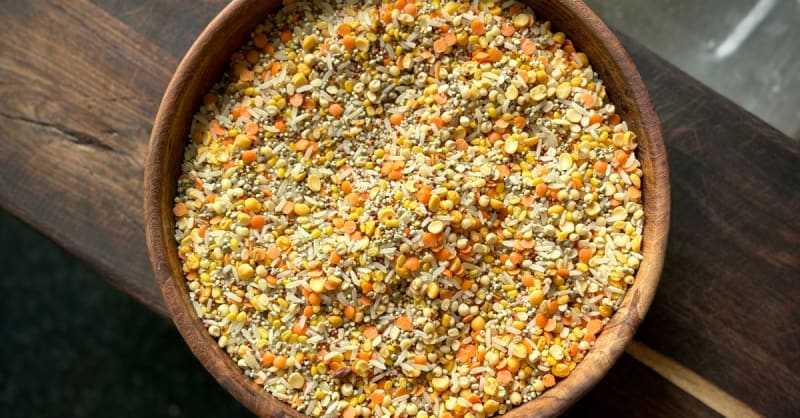
Cross contamination is also more likely in products that mix millet with quinoa, amaranth, or rice in the same plant, since those lines may switch between gluten-free and gluten-containing products all day.
If you want the safer option, choose a sealed product with a clear gluten-free statement and, when possible, a certified gluten-free millet brand. In this category, plain packaged millet grains are reliably safer than bulk-bin scoops or heavily blended grain mixes.
Common Gluten Risks
Millet itself is low risk, but Millet gluten free shoppers can still get tripped up by the way it’s sold. The biggest problem is not the grain, it’s the add-ins. I’ve seen this most often with flavored grain mixes, baking blends, and restaurant sides where millet gets paired with wheat-based ingredients or shared seasonings.
If you’re wondering does Millet have gluten, the plain grain doesn’t, but the finished product might.
A few real-world examples make this clearer. A seasoned grain mix can include wheat-based seasoning packets, and some boxed baking products may be made on lines that also handle King Arthur all-purpose flour or Bisquick-style blends.
Millet flour can also show up in multigrain mixes with oats that aren’t certified gluten-free, which is a problem if the oats were processed with wheat. And in restaurants, millet may be folded into pilafs, veggie burgers, or stuffing-style dishes where soy sauce, malt vinegar, or bread crumbs sneak in.
If you’re shopping for [[KW-L3]], keep the ingredient list short and the flavor profile plain. That’s the easiest way to avoid hidden gluten in Millet products.
Bottom Line — Is Millet Gluten Free?
The short version on Millet: plain is fine, processed needs a second look. Is Millet gluten free? Yes, and it can fit well into a gluten-free routine when you keep an eye on flavor packets, shared equipment, and restaurant prep. Millet gluten free choices are easiest to trust when the ingredient list is short and the package is clear.
If you want a little extra backup, check the Celiac Disease Foundation before trying a new brand or grain mix. That extra minute can save you a rough night, and we’d all rather keep dinner boring than get sick.
Editorial Process
This article was written and reviewed by the Gluveto Editorial Team for factual accuracy, gluten-free safety, and alignment with current FDA labeling guidance.
We reference trusted organisations including the Celiac Disease Foundation and the FDA when evaluating foods and ingredients.


