
Is Buckwheat Gluten Free? What You Need to Know

Quick Answer
Is Buckwheat Gluten Free?
Is Buckwheat gluten free? Yes, plain Buckwheat is naturally gluten free and suitable for most gluten-free diets. Buckwheat gluten free status can change if it's processed alongside wheat; always check labels. Certified gluten-free Buckwheat is the safest option for people with celiac disease.
Picture this: you’re planning your first gluten-free Thanksgiving after a celiac diagnosis, and someone offers to bring a kasha dish or a Buckwheat stuffing.
You pause, “is Buckwheat gluten free, or is there a hidden risk?” With the word "wheat" right there in the name, it’s easy to get nervous, especially when family and friends are eager to help but don’t always know the details.
Learning which grains or pseudograins are safe for celiac disease and gluten sensitivity can feel overwhelming, especially when wellness trends hype ancient grains and alternative flours. So, is Buckwheat safe for a gluten-free diet, or should it be avoided? Understanding Buckwheat and gluten is a key step to enjoying celebrations and everyday meals with confidence.
If you’ve wondered, "can people with celiac disease eat Buckwheat," you’re not alone, and you’re in the right place.
Also Read
How to Eat It Safely
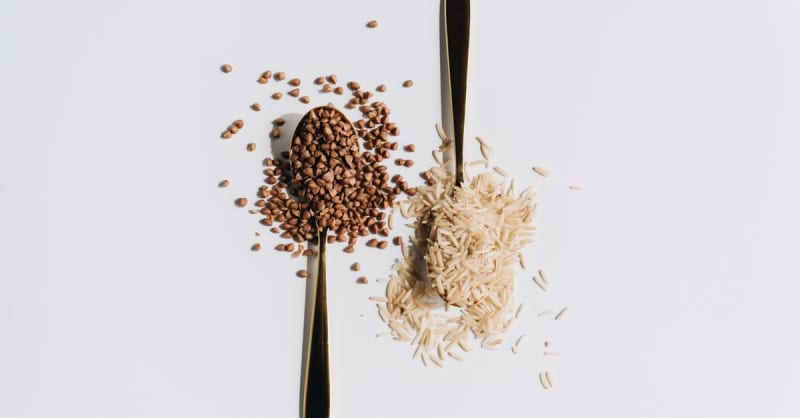
Swap Buckwheat groats for rice in side dishes or grain bowls when you want variety and nutty flavor.
- We like to reach for certified gluten-free Buckwheat pancake mix (like at Whole Foods or Trader Joe's) for a weekend brunch that’s safe for everyone at the table.
- Try using Buckwheat flour in your favorite gluten-free baking recipes, think muffins, crepes, or hearty breakfast bars.
- Add cooked Buckwheat to soups and stews for extra body and fiber, especially on meal prep Sundays.
- Pick up Buckwheat noodles labeled as gluten-free Buckwheat for quick stir fries or Asian-inspired salads; check Amazon for options.
- Toast Buckwheat groats (kasha) and toss them into salads, or serve as a base for a Thanksgiving side.
- I love mixing cooked Buckwheat with roasted vegetables and herbs for a simple, gluten-free lunchbox staple.
Common Gluten Risks
Most Buckwheat products are naturally safe, but not all Buckwheat gluten free versions on store shelves are risk-free. The biggest culprit? Processed foods and restaurant dishes where Buckwheat is mixed with gluten-containing ingredients. Take Buckwheat noodles, for example: traditional soba is often blended with wheat flour, sometimes over 50%.
Pancake mixes labeled "Buckwheat pancakes" frequently contain wheat flour as a base or thickener. Even ready-to-eat kasha side dishes at the grocery store might include glutenous seasonings or sauces. If you’re buying Buckwheat gluten-free options like flours or packaged breakfast foods, always check the ingredient list for wheat, barley, or rye, as well as allergy statements.
The safest move: choose brands with a certified gluten-free logo, especially for multi-ingredient items.
What Is It?
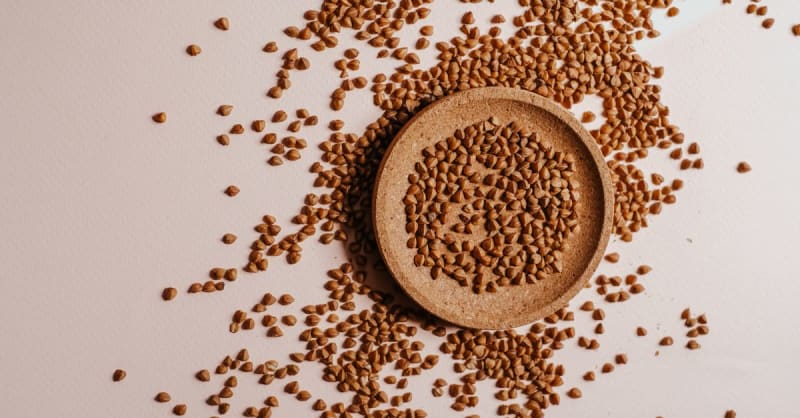
From hearty kasha at Thanksgiving to nutty Buckwheat pancakes, this versatile pseudograin has become a staple in both heritage recipes and modern gluten-free kitchens. Despite its confusing name, Buckwheat is not related to wheat, barley, or rye, making it a surprising friend to people avoiding gluten.
The plant is technically a seed (a fruit seed, to be exact), used whole or ground into flour. Buckwheat is especially popular in Eastern European dishes, and you’ll find it featured in everything from soba noodles (note: not all are gluten free) to grain bowls.
Brands like Bob’s Red Mill, Arrowhead Mills, and Anthony’s Goods offer certified gluten-free Buckwheat, and I’ve found these widely at stores like Whole Foods and Trader Joe's. Nutrition-wise, this pseudograin is a powerhouse: it’s rich in fiber, a good source of plant-based protein, and packs in magnesium, three nutrients many gluten-free diets can lack.
We often recommend Buckwheat as a hearty base for gluten-free meals because it satisfies like a grain, without the gluten risk.
Also Read
Cross-Contamination Risk
Cross contamination with Buckwheat is most likely to happen at one specific point in the chain - let's talk about which one. In my experience, restaurants are the main source of risk for gluten exposure with Buckwheat.
Buckwheat pancakes are often cooked on shared griddles where wheat batter is also used, and soba noodles are commonly cooked in the same boiling water as wheat noodles. Seasoned kasha or pilafs sometimes pick up gluten from shared utensils or spice blends containing wheat starch.
Cross contamination can also occur in bulk bins at stores, where grains get mixed or scooped together. If you’re extra sensitive, ask restaurants how their Buckwheat dishes are prepared and whether separate cookware or water is used.
The good news: cross contamination risk is moderate, not high, but people with celiac disease should aim for certified gluten-free Buckwheat when dining out or buying in bulk. For more tips, Beyond Celiac has helpful restaurant safety checklists.
Whenever you see "gluten-free Buckwheat" on a label, confirm it's certified, and if you’re buying loose grains, opt for sealed packages from trusted brands to keep Buckwheat and gluten well apart.
Who Should Avoid It?
For most people, Buckwheat is a safe and nutritious gluten-free option, but a few groups should use caution. Anyone with a history of rare Buckwheat allergy (more common in parts of Asia) should avoid it entirely. People with celiac disease or severe gluten sensitivity must be vigilant about sourcing Buckwheat gluten free products, especially multi-ingredient foods and restaurant meals. And, if you’re new to gluten-free eating, you might find that some Buckwheat products taste quite robust or earthy, which isn’t for everyone.
- Those with a Buckwheat allergy (distinct from wheat allergy)
- People with celiac disease choosing non-certified Buckwheat products
- Anyone eating Buckwheat at restaurants without clear ingredient info
- Individuals with FODMAP intolerance (rarely, Buckwheat may trigger symptoms)
Celiac Disease Safety
The celiac question with Buckwheat has a clear answer - and it's more reassuring than most people expect. Plain, whole Buckwheat is naturally gluten free and carries a low risk of cross contamination compared to other grains.
When buying for celiac disease, a condition that affects around 3 million Americans, look for products with a certified gluten-free label, such as the GFCO or Celiac Support Association logo. Buckwheat safe for celiac disease means looking beyond ingredients: restaurant soba or pancake mixes often blend in wheat, so check menus and ask questions.
For those managing celiac disease, certified gluten-free Buckwheat is the gold standard, brands like Bob’s Red Mill and Anthony’s Goods put the certification right on the front of the package. If you want even more guidance, the Celiac Disease Foundation website outlines how to spot safe labels and navigate product choices confidently.
Health Benefits
Heart-healthy fiber: A serving of Buckwheat delivers both soluble and insoluble fiber, which can support healthy cholesterol levels and a strong cardiovascular system.
- Plant-based protein: This gluten-free Buckwheat stands out for its complete amino acid profile, making it ideal for vegetarians and gluten-free eaters seeking more protein.
- Rich in magnesium: Buckwheat provides a generous dose of magnesium, vital for muscle and nerve function, and often low in gluten-free diets.
- Antioxidant boost: Compounds like rutin and quercetin in Buckwheat help fight cell damage and support immune health.
- Helps digestion: Thanks to its fiber content, Buckwheat can promote regularity and comfortable digestion.
- Supports blood sugar balance: The unique mix of fiber and resistant starch in Buckwheat may help manage after-meal blood sugar spikes.
- Gluten-free satisfaction: As a Buckwheat gluten free food, it adds bulk and texture to recipes where wheat is off-limits.
- Naturally nutrient-dense: Buckwheat is a great way to add vitamins, minerals, and satisfying energy to gluten-free meals.
Is It Naturally Gluten-Free?
Buckwheat earns its gluten-free status at the biological level, not just through processing. Buckwheat is botanically a seed, not a cereal grain, and its proteins are entirely different from the gluten proteins found in wheat, barley, or rye. This means it does not trigger the autoimmune reaction at the heart of celiac disease.
But, here’s the thing: the risk for Buckwheat and gluten sneaks in when it’s processed or packaged near gluten-containing grains. Even so, is Buckwheat gluten free as a rule?
Yes, so long as it hasn’t been contaminated, Buckwheat contains no gluten, meeting the FDA labeling law standard of under 20 ppm for gluten-free foods, a threshold designed to protect people with celiac disease.
If you need certified gluten-free Buckwheat, look for packaging with a certification logo or a clear “gluten-free” label, these Buckwheat gluten-free options are the best bet for sensitive individuals. Despite its safety, Buckwheat trips people up because the “wheat” in its name causes confusion in gluten-free communities, especially for those newly diagnosed.
It’s one of those grains where label reading and brand trust matter.
Bottom Line — Is Buckwheat Gluten Free?
Buckwheat earns a place on most gluten-free shopping lists - with one caveat about how it's processed. When certified and handled safely, Buckwheat gluten free status holds up, giving people with celiac disease a hearty, nourishing option beyond rice and corn. Now you have the facts and can shop with more confidence than most, I've seen how empowering this knowledge is for newly diagnosed celiacs.
Editorial Process
This article was written and reviewed by the Gluveto Editorial Team for factual accuracy, gluten-free safety, and alignment with current FDA labeling guidance.
We reference trusted organisations including the Celiac Disease Foundation and the FDA when evaluating foods and ingredients.

