
Is Couscous Gluten Free? What You Need to Know

Quick Answer
Is Couscous Gluten Free?
Is Couscous gluten free? No, traditional Couscous contains gluten because it's made from wheat semolina. Even products labeled Couscous gluten free may be at risk if not certified. For safety, look for certified gluten-free Couscous alternatives or Couscous gluten-free options clearly labeled.
Getting a straight answer on is Couscous gluten free can be a breath of relief, especially if you’re new to a gluten-free diet. The truth is: Couscous isn’t just a maybe, it’s a definite no for anyone avoiding gluten. But I know why the question comes up!
Couscous pops up on Mediterranean, North African, and trendy wellness menus, and it’s easy to assume it’s in the same category as quinoa or rice. If you’re wondering is Couscous safe for a gluten-free diet or asking yourself is Couscous safe for celiacs, you’re not alone.
Understanding the reality of Couscous and gluten is key, especially for those with celiac disease or gluten sensitivity. Can people with celiac disease eat Couscous? Let’s walk through the full answer together, so you can feel confident the next time you spot Couscous on a menu or store shelf.
Also Read
What Is It?
On American dinner tables, Couscous often appears as a fluffy, quick-cooking side dish with roots in North African cuisine. It’s beloved for soaking up sauces and adding texture to salads or grain bowls. But what actually makes up this pantry staple? Couscous is tiny steamed balls of semolina, a coarse flour made from durum wheat.
In the U.S., you’ll spot brands like Near East and Roland offering plain and flavored boxed Couscous mixes, often stocked alongside rice and pasta. Nutritionally, it’s a solid source of carbohydrates with a modest protein boost, and its mild flavor adapts well to herbs and broths.
But here’s the crucial part: Couscous gluten free status is not inherent, as it’s literally formed from wheat. I’ve reviewed dozens of labels on this, and here’s what I’ve found: even 'whole wheat Couscous' and some so-called 'ancient grain blends' still contain wheat. Some international brands offer regional twists, but in nearly every case, does Couscous contain gluten?
Yes, unless it’s specifically made from a gluten-free grain and certified accordingly, which is extremely rare in U.S. stores. We often recommend trying naturally gluten-free grains like millet or quinoa if you miss the texture of Couscous.
Common Gluten Risks
Traditional Couscous carries a very high gluten risk because it’s made from wheat, but it’s worth spelling out the real-world scenarios where hidden gluten can sneak in.
Pre-flavored Couscous mixes, especially those in boxed or microwavable pouches, often add ingredients like soy sauce (which may not be gluten free), hydrolyzed wheat protein, or even malt vinegar in spice blends.
In American restaurants, I’ve noticed Couscous served under roasted meats or as a salad base, don’t assume it’s just wheat semolina; sometimes chefs add stock cubes or use shared prep areas with flour-dusted foods, increasing risk.
Another overlooked example: bulk Couscous bins at natural grocery stores are notorious for cross-contact with barley, rye, or flour products in adjacent bins. Not all Couscous gluten free products are equal, so even if you spot Couscous gluten-free options on a store shelf, you still need to check for shared equipment warnings or 'may contain wheat' statements.
Does Couscous have gluten? In nearly all traditional and restaurant preparations, yes. When scanning labels or ordering out, ask specifically what grain is used and whether the Couscous preparation is safe for those requiring a gluten-free diet.

Cross-Contamination Risk
Plain Couscous is gluten free - but cross contamination during processing, at the store, or in your kitchen is a separate question. In American restaurants, Couscous is almost always prepped in the same areas as breads, pastas, and flour-dusted proteins.
Shared utensils and serving bowls are common, and even if you find a rice-based or alternative Couscous, cross contamination is likely on the line. At grocery stores, if you see Couscous sold from bulk bins, realize it’s probably stored near wheat flour or barley, raising the risk of cross contamination.
In family kitchens, using the same pot, strainer, or wooden spoon for Couscous and other wheat-based foods can easily introduce gluten. Even packaged seasoned Couscous mixes may be produced in facilities handling wheat, barley, or rye, so those with celiac disease must scrutinize labels for shared equipment statements.
For anyone who’s truly sensitive, I recommend seeking out certified gluten-free Couscous alternatives, which are nearly always made from non-wheat grains and carry less risk. If you’re shopping, look for the certified gluten-free seal rather than trusting a loose 'gluten free' claim.
Beyond Couscous and gluten, I always check the processing details in every grain product, especially if it’s from a smaller or bulk brand. And if you’re eating out, ask about cross contamination protocols. The safest bet for this food is a certified gluten-free product, ideally one that’s individually packaged and not processed in a facility with wheat.
For more guidance, the team at Beyond Celiac keeps a regularly updated list of reputable brands and safe practices.
Health Benefits
Energy boost: Couscous is a rich source of carbohydrates, which fuel your body and help maintain energy levels throughout the day.
- Protein content: Compared to many grains, Couscous offers a solid protein punch, about 6 grams per cooked cup, supporting muscle repair and fullness.
- Iron provider: It supplies a modest amount of iron, an essential mineral that helps carry oxygen in your blood.
- Low fat profile: Naturally low in fat, Couscous can fit into heart-healthy eating patterns if you’re not gluten sensitive.
- Quick cooking: Prepares in just 5-10 minutes, so it’s a convenient side for busy weeknights.
- Adaptable flavor: Takes on seasonings and broths well, making it versatile in everything from salads to stews.
- As a Couscous gluten free alternative: Millet, quinoa, and rice can offer similar benefits without the gluten risk for sensitive eaters.
- Affordable grain: Couscous is budget-friendly compared to many specialty grains.
Who Should Avoid It?
Anyone with celiac disease, gluten sensitivity, or wheat allergy needs to avoid Couscous because of its wheat content. Even the smallest amount can lead to symptoms, so Couscous gluten free alternatives are essential for safe eating. Some people with autoimmune disorders or those following gluten-free as a wellness trend also steer clear. If you’re cooking for someone with dietary restrictions, confirming the ingredients and looking for certified gluten-free labels is key.
- Those with diagnosed celiac disease
- People with non-celiac gluten sensitivity
- Anyone allergic to wheat, barley, or rye
- Parents of children advised to follow a strict gluten-free diet
- Individuals managing autoimmune disorders where gluten is restricted
How to Eat It Safely
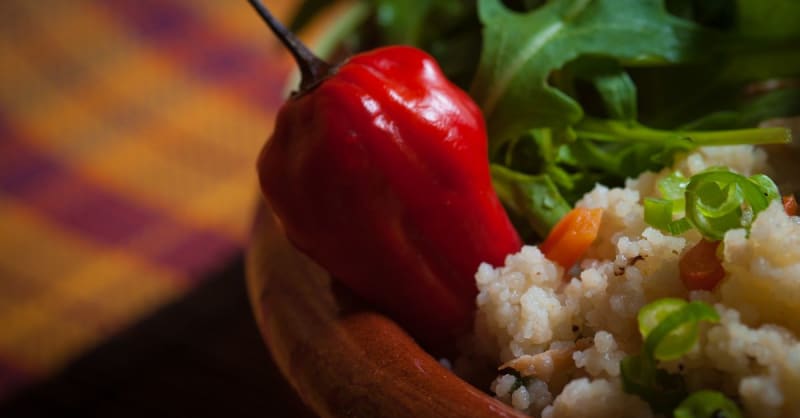
Swap with gluten-free Couscous alternatives in classic dishes, millet or small pasta-shaped rice work well in Mediterranean salads or as a pilaf base.
- For busy lunches, we like to batch-cook quinoa or corn-based gluten-free Couscous brands and portion into bowls for the week.
- I love using certified gluten-free grains from Whole Foods or Trader Joe's for family dinners, look in the specialty grains or international aisle.
- At backyard BBQs, bring your own gluten-free Couscous salad to avoid cross contamination from communal serving utensils.
- Try layering cooked gluten-free Couscous under roasted vegetables and a lemony dressing for meal prep Sundays.
- For Thanksgiving or holiday spreads, millet or rice make a satisfying gluten-free substitution in Couscous stuffing recipes.
- If you're shopping online, Amazon and Thrive Market often stock gluten-free Couscous gluten-free options from international brands.
Is It Naturally Gluten-Free?
What Couscous is made from tells you everything about its gluten status - and it's not good news. Even though Couscous is a staple in many kitchens, its traditional form is 100% wheat, making it inherently unsafe for anyone avoiding gluten. To carry a gluten-free label in the US, a product must contain fewer than 20 ppm of gluten per FDA standards FDA gluten-free labeling rules.
But that bar is irrelevant here, because regular Couscous never meets the requirement, it's made from pure wheat semolina. If you’re searching is Couscous gluten free, the answer is always 'no' for the standard product. And to clarify, does Couscous contain gluten? Absolutely, it’s the main ingredient.
A handful of certified gluten-free Couscous alternatives exist, typically made from corn, rice, or cassava, but they’re rare compared to wheat versions. If you see a product labeled gluten-free Couscous, double-check for official certification.
There’s a lot of confusion between Couscous and gluten; people often assume it’s more like rice than pasta, but in reality, it’s closer to eating a bowl of pasta made from wheat. So, is Couscous gluten free? Not in its traditional, most common form. If you’re strictly gluten-free, keep this product off your plate unless you find a certified gluten-free labeled alternative.
Celiac Disease Safety
No processing method makes Couscous safe for celiac disease. The gluten is in the grain itself. When you see Couscous on an American restaurant menu, it's nearly always the traditional wheat-based product, even at Mediterranean spots. Sometimes a chef may substitute in a rice-based or gluten-free Couscous alternative, but this is rare and should never be assumed.
If you have celiac disease, the standard Couscous dish is absolutely off-limits. Even so, with an estimated 3 million people in the US diagnosed with celiac disease, awareness is growing, and some restaurants will have a separate gluten-free grain or labeled menu item.
However, Couscous safe for celiac disease means it must be made from a certified gluten-free grain in a dedicated facility, anything less, and you risk exposure.
In my experience, we always recommend asking specifically: "Is this made from certified gluten-free Couscous, and how is it prepared to avoid cross contamination?" At the grocery store, only buy alternatives labeled gluten-free Couscous brands or those with a recognized certification.
When in doubt, consult the Celiac Disease Foundation for up-to-date safe alternatives and restaurant tips.
Bottom Line — Is Couscous Gluten Free?
If you have celiac disease or gluten sensitivity, Couscous stays off your plate. Here's what to use instead. Millet, quinoa, rice, or specially labeled gluten-free pasta are all safer, satisfying alternatives. For Couscous gluten free shopping and substitution guides, check out the Celiac Disease Foundation’s resources or your local store’s gluten-free section.
And if you ever want a hands-on look at ingredient lists, I’m always happy to help break down the fine print.
Editorial Process
This article was written and reviewed by the Gluveto Editorial Team for factual accuracy, gluten-free safety, and alignment with current FDA labeling guidance.
We reference trusted organisations including the Celiac Disease Foundation and the FDA when evaluating foods and ingredients.


