
Is Farro Gluten Free? The Full Answer for Your Diet

Quick Answer
Is Farro Gluten Free?
Is Farro gluten free? No, Farro contains gluten as it is a type of wheat grain. The risk comes from its natural gluten content rather than contamination. For those avoiding gluten, certified gluten-free Farro is not available, so it’s best to choose other whole grains.
A new diagnosis of celiac disease or gluten sensitivity brings a flood of questions and grocery aisle confusion. One common query I’ve seen in nearly every gluten-free Facebook group and Reddit thread is is Farro gluten free?
Understanding whether is Farro safe for a gluten-free diet can help you avoid unwanted gluten exposure while navigating wellness trends that spotlight ancient grains. Since Farro and gluten are closely linked biologically, it’s vital to know what to grab and what to leave behind.
Also Read
What Is It?
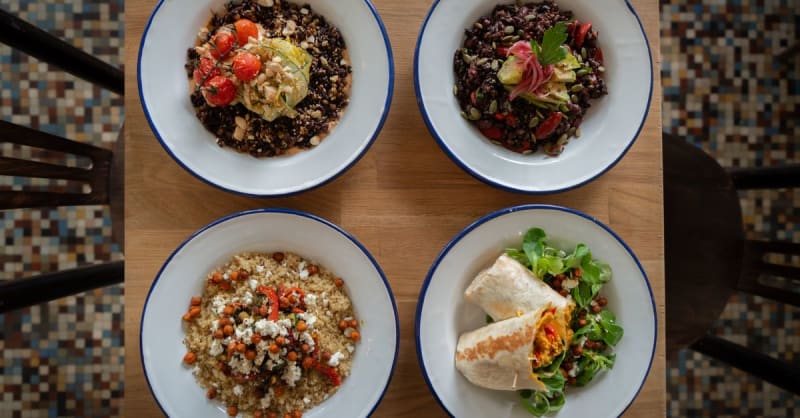
Farro is an ancient grain with roots in Mediterranean and Italian cuisine, often enjoyed in hearty salads, soups, and side dishes. You might also hear it called emmer or spelt, which are related wheat species. In American kitchens, Farro has gained popularity for its nutty flavor and chewy texture, appearing in many health-conscious recipes.
I’ve found that brands offering Farro usually sell it as hulled whole grains or pre-cooked variants in grocery aisles like Whole Foods or Trader Joe’s. Nutritionally, Farro is rich in fiber, protein, B vitamins, and minerals, making it a wholesome addition for those without gluten restrictions.
We often recommend exploring grains like quinoa or millet as safer alternatives for gluten-free diets, since Farro and gluten naturally coexist.
Is It Naturally Gluten-Free?
Here's the part most people don't realize: Farro is not naturally gluten free. This is because Farro comes from wheat species, which means it contains gluten proteins, specifically gliadin and glutenin, that trigger immune responses in celiac disease.
The gluten in Farro is inherent due to its botanical family, unlike naturally gluten-free seeds or pseudo grains such as quinoa or rice. The gluten risk with Farro isn’t from cross contamination but from its core structure. That said, many who ask does Farro contain gluten are surprised to learn that even organic or minimally processed Farro will have gluten by nature.
Under FDA gluten-free labeling rules, any product labeled gluten-free must test below 20 ppm of gluten, but no Farro product meets this standard. One form to watch out for is farro wheat berries, which are 100% gluten-containing and unsafe for gluten-free or celiac diets.
Health Benefits
Heart Support Farro and gluten naturally come together, but as a gluten-containing grain, Farro offers fiber that supports heart health by lowering cholesterol. This fiber content can contribute to better cardiovascular function.
- Digestive Aid The high fiber in Farro gluten free options supports digestive wellness by promoting regular bowel movements and feeding healthy gut bacteria.
- Rich in Protein Unlike many grains, Farro provides a good amount of plant-based protein, which can help maintain muscle mass and support repair.
- Nutrient Dense Farro contains B vitamins like niacin and thiamin that contribute to energy metabolism and nervous system health.
- Mineral Boost Magnesium, zinc, and iron in Farro support immune function and oxygen transport in the blood.
- Satiety Promoter The fiber and protein combo in Farro helps increase feelings of fullness, aiding in weight management.
- Versatile Ingredient Farro and gluten come from the same grain family, but its chewy texture makes it a satisfying base for salads, soups, or side dishes.
Cross-Contamination Risk
So Farro is naturally gluten free. But between the farm and your plate, a lot can change. Farro is almost always sold in bulk bins alongside other grains or wheat berries, where scoops and shared containers create a high risk of cross contamination. In stores, Farro grain near rye or barley can pick up gluten from dust or residues on equipment.
At home, I’ve seen clients accidentally contaminate Farro by using the same cutting boards or colanders for gluten-containing pasta. Restaurants add another layer of risk: Farro dishes served on shared cutting boards or cooked in the same pans as wheat-based foods often lead to cross contamination.
Flavored Farro mixes with added seasoning blends can also introduce gluten unknowingly if those seasonings contain wheat-derived ingredients. For safer options, certified gluten-free Farro products sold in sealed packaging reduce cross contamination. Double-checking for the gluten-free certification shield is a good way to avoid hidden gluten.
For more detailed tips on cross contamination, check out Beyond Celiac.
How to Eat It Safely
Incorporate gluten-free Farro alternatives like quinoa or millet into your weeknight dinners as side dishes or salad bases for a similar texture and nutty flavor.
- Prepare Farro-style grain bowls with certified gluten-free grains during meal prep Sundays to ensure safe, grab-and-go lunches.
- Shop at stores like [[LINK:Whole Foods]] or [[LINK:Trader Joe's]] for a wide selection of gluten-free grains that mimic Farro’s culinary role.
- I love seasoning cooked millet with herbs and lemon to replicate the bright flavors often found in Farro salads.
- Use gluten-free grain blends in backyard BBQs for a hearty, crowd-pleasing side dish that avoids gluten entirely.
- Explore gluten-free grain options in soups or stews for added fiber and protein without gluten exposure.
- Try gluten-free grain pilafs as festive Thanksgiving sides instead of Farro dishes, ensuring safety and tradition coexist.
Common Gluten Risks
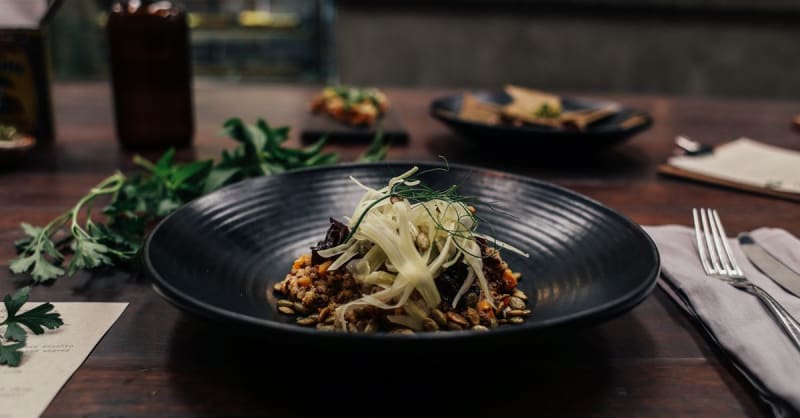
Farro carries a high gluten risk because it’s a wheat product by definition, but the level of danger varies with product form. For example, plain Farro grain or Farro salad from a deli is obviously high risk since both are made from the gluten-containing grain itself. But what about prepared foods?
Some microwave Farro mixes can include malt vinegar or modified food starch derived from wheat, increasing gluten exposure. Farro flour or cracked Farro used in artisanal breads or crackers are also risky due to added gluten from wheat starch. Even restaurant Farro bowls can be contaminated if mixed with wheat-based sauces or cooked on shared grills.
I’ve noticed people often overlook ingredient labels on Farro salads or grain blends that may include barley malt or wheat starch. If you're buying Farro gluten-free options, trust only those explicitly labeled gluten-free, which are nearly nonexistent. Always ask for ingredient details when dining out and scan labels for hidden wheat derivatives.
Who Should Avoid It?
Anyone with celiac disease or non-celiac gluten sensitivity should avoid Farro due to its inherent gluten content. Even products labeled organic or whole grain are unsafe. Cross contamination in bulk bins and mixed grain products also raises risks for sensitive individuals. Those newly diagnosed often find grocery aisles confusing, but skipping Farro entirely is the safest choice.
- People diagnosed with celiac disease
- Individuals with confirmed gluten sensitivity
- Consumers seeking certified gluten-free grains
- Anyone avoiding wheat, barley, or rye in all forms
Celiac Disease Safety
Celiac disease and Farro are a straightforward incompatibility, not a gray area. Since Farro is a type of wheat, it contains gluten proteins that cause damage to the small intestine in people with celiac disease. Celiac disease is more common than most people realize, affecting about 1 in 100 Americans.
When shopping, carefully avoid Farro products found in bulk bins or those without clear gluten-free certification. Look for grains clearly labeled gluten free in specialty brands or grocery aisles, but note that true gluten-free Farro is rare to nonexistent. Instead, I steer clients toward certified gluten-free whole grains like quinoa or millet.
Put back any bag of Farro without explicit gluten-free labeling to keep your diet safe. Avoid farro-based specialty flours and mixed grain blends, which often carry undisclosed gluten contamination. For trusted product lists and more celiac safety advice, visit Celiac Disease Foundation.
Bottom Line — Is Farro Gluten Free?
Skip Farro on a gluten-free diet. There are solid alternatives worth knowing. Grains like quinoa, millet, and certified gluten-free oats offer safe, nutritious options that fit a gluten-free lifestyle without compromising flavor or texture. When shopping or dining out, I encourage you to explore trusted gluten-free sections or resources.
Visit the Celiac Disease Foundation for comprehensive guides to keep your diet safe and satisfying.
Editorial Process
This article was written and reviewed by the Gluveto Editorial Team for factual accuracy, gluten-free safety, and alignment with current FDA labeling guidance.
We reference trusted organisations including the Celiac Disease Foundation and the FDA when evaluating foods and ingredients.


