
Is Barley Gluten Free? What You Need to Know

Quick Answer
Is Barley Gluten Free?
Is Barley gluten free? No, Barley naturally contains gluten and is not safe for people with celiac disease. Some Barley gluten free confusion comes from cross-contact or processing practices. For safety, only buy certified gluten-free alternatives, look for those specific Barley gluten-free options.
Gluten-free labels can feel like a maze, especially when you’re eating at a friend’s place and trying to figure out is Barley gluten free. The answer isn’t always obvious, Barley shows up in so many foods, from soups to grain salads, and it’s not always labeled clearly.
When you’re managing celiac disease, gluten sensitivity, or even just exploring wellness trends, knowing is Barley safe for a gluten-free diet can spare you from a night of worry or worse. I’ve seen firsthand how easy it is to miss Barley’s presence, especially since it hides under names like malt or pearl barley.
If you’re asking yourself, can people with celiac disease eat Barley, or you’re simply trying to untangle the science behind Barley and gluten, you’re in the right place. We’ve tested and researched this category extensively to clear up the confusion.
Also Read
Who Should Avoid It?
Anyone with celiac disease, non-celiac gluten sensitivity, or a wheat allergy should steer clear of Barley due to the high risk from its gluten content. Even trace amounts can trigger reactions, so skipping Barley in all its forms is essential. People aiming for a gluten-free lifestyle for health or wellness also need to think twice about Barley’s real gluten risks. The challenge is that Barley shows up in hidden places, so reading labels and double-checking with hosts or servers is smart. Here’s who should keep Barley off their plate:
- People diagnosed with celiac disease (Barley gluten free is not an option)
- Anyone with non-celiac gluten sensitivity or intolerance
- Individuals with wheat, barley, or rye allergies
- Those following a strict gluten-free diet for health or autoimmune conditions
- Anyone unsure about an ingredient list or restaurant dish containing grains
What Is It?
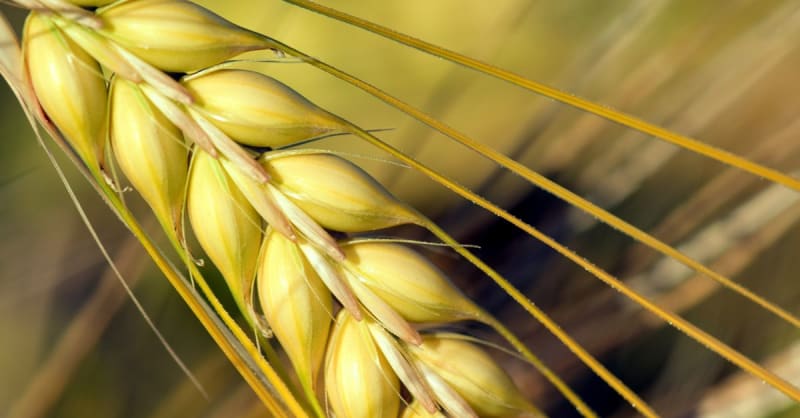
Barley’s been a staple in kitchens worldwide for generations, think of hearty beef and barley soups, chewy grain salads, or the nutty side dishes you’ll spot at holiday dinners. In the United States, you’ll run into Barley mostly as pearled barley in soup mixes, or as barley malt in cereals and snack bars.
It’s an ancient grain, closely related to wheat and rye, both in taste and in its gluten content. Nutritionally, Barley offers a solid fiber boost, B vitamins, and minerals like selenium. I’ve found clients often think it’s a wild rice or quinoa alternative, but Barley is different because it does Barley have gluten, something those other grains don’t.
Brands like Bob’s Red Mill sell pearled Barley and barley flour, but you’ll also spot it as malt in breakfast cereals or even in certain beers and syrups. We often recommend double-checking ingredient lists, because Barley can sneak in under names like malt extract or barley malt.
Health Benefits
Supports digestion: Barley’s rich fiber content, especially beta-glucan, helps keep your digestive system moving smoothly.
- May lower cholesterol: The soluble fiber found in Barley can help reduce LDL cholesterol when eaten regularly as part of a balanced diet.
- Provides B vitamins: Barley is a natural source of B vitamins, including niacin and thiamine, important for energy metabolism.
- Delivers minerals: You’ll get nutrients like selenium, iron, and magnesium in every serving, supporting immune and cardiovascular health.
- Satiety and fullness: Thanks to its fiber and protein, Barley helps you feel full longer, which can support healthy weight management.
- Antioxidant potential: Barley contains plant compounds like lignans that may help fight inflammation in the body.
- Heart health: Regular Barley consumption is linked to lower risk of heart disease due to its unique fiber profile.
- Not a gluten-free Barley: Keep in mind for those seeking Barley gluten free options, these benefits come with the gluten risk attached.
Also Read
Celiac Disease Safety
No processing method makes Barley safe for celiac disease. The gluten is in the grain itself. About 1 in 133 Americans has celiac disease, roughly 1% of the population, so this is more common than most people realize.
The key for those with celiac disease is to avoid Barley in any form, including malt and Barley flour, since Barley celiac safe isn’t a reality with existing products. When shopping, look for products labeled 'Certified Gluten-Free' by reputable third-party organizations like the GFCO or those specifically excluding Barley on the ingredient list.
The FDA requires strict standards for gluten-free labeling, but Barley is never included as an allowable grain. If you’re at a restaurant or buying processed food, Barley safe for celiac disease will never apply, so seek out certified gluten-free Barley alternatives, or grains like rice or quinoa instead.
Avoid Barley malt, pearl or hulled Barley, and any ancient grain blend that does not carry a gluten-free certification. I always urge clients to double-check with trusted sources such as the Celiac Disease Foundation.
Cross-Contamination Risk
Most of the gluten risk in Barley comes not from the food itself, but from how it's processed and handled. In home kitchens, cross contamination is a real issue: Barley often shares space with wheat and rye products on cutting boards, in colanders, or in pasta pots.
If you’re draining pasta in a colander that’s been used for wheat spaghetti, trace gluten can stick around and contaminate your Barley dish. I’ve seen cross contamination from using a shared toaster or baking sheet for a Barley salad and wheat bread. Buying bulk Barley from bins at natural food stores increases that risk, scoops and bins are rarely single-use.
Restaurant kitchens may toss Barley into soups or salads that have been prepped on surfaces used for wheat, again boosting cross contamination odds. For best safety, shop for certified gluten-free Barley alternatives, those with the official ‘Certified Gluten-Free’ logo or a clear ‘contains no gluten ingredients’ label are safest.
And always check for 'Produced in a gluten-free facility' or 'Tested to below 20 ppm gluten' when buying Barley alternatives. For more on cross contamination risks, see Beyond Celiac. The Barley and gluten connection means vigilance at home and in restaurants.
Common Gluten Risks
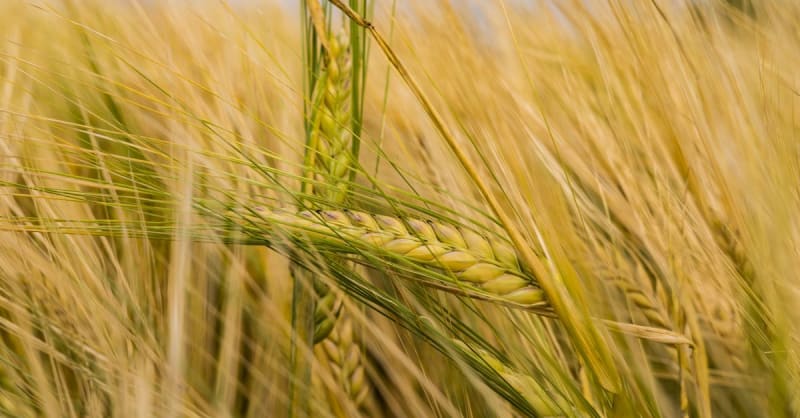
Barley’s gluten risks show up most clearly in processed foods and certain product types. Barley flour, which is now found in some fancy bread mixes and plant-based burgers, always contains gluten. Barley malt is another big red flag, think of cereals, granola bars, and chocolate drinks where malt extract or malt syrup is used as a sweetener or flavor.
In restaurant settings, barley sometimes hides in soups, stews, or grain salads, especially those labeled as ‘ancient grain’ or ‘hearty grain’ blends. Not all Barley gluten free products are equal, many processed foods include Barley derivatives, so checking for Barley gluten-free options is essential.
If you see any mention of malt, barley extract, or barley flour on an ingredient list, you can be sure Barley does Barley contain gluten. Ask at restaurants if their grains include Barley or if soups use a barley base, and scan packaged food labels for all these derivatives before eating.
Is It Naturally Gluten-Free?
Barley is one of the grains that actually contains gluten - wheat's close relative in that regard. The FDA's gluten-free threshold is 20 ppm, the level considered safe for most people with celiac disease, but Barley far exceeds that amount. So, is Barley gluten free?
The answer is no, Barley does Barley contain gluten both in the grain itself and any flours, malts, or processed forms. Even if you find a product labeled as Barley gluten-free options, you’ll notice that it’s usually referring to a substitute, not true Barley.
Whenever the conversation revolves around Barley and gluten, confusion often arises because Barley sometimes appears in foods most people wouldn’t expect, and it’s frequently mislabeled as a health grain. In my experience, clients shopping for grains often assume Barley is gluten free, but Barley contains gluten in every form, whether hulled, pearled, or malted.
If a product claims to be certified gluten-free Barley, look at the label closely, it almost always means it’s a Barley alternative or blend, not the real grain. That’s why so many people search is Barley gluten free, and why you’ll see lots of mixed messages in gluten-free communities. More on the FDA standard here: FDA gluten-free labeling rules.
How to Eat It Safely
Try swapping in gluten-free grains like quinoa, buckwheat, or rice for Barley in classic soup or salad recipes, these cook up similarly but are safe for gluten-free diets.
- We like to recommend brown rice or millet in place of Barley for hearty sides at Thanksgiving or family dinners. They absorb flavors well and have a satisfying texture.
- Check out the 'Ancient Grains' section at stores like Whole Foods or Trader Joe's for gluten-free Barley alternatives (look for 'certified gluten-free' logos).
- Experiment with gluten-free Barley replacement brands if you’re prepping grain bowls for meal prep Sundays, Lundberg, Ancient Harvest, and Bob's Red Mill all offer safe options.
- For quick lunches, I love using pre-cooked gluten-free grains tossed with roasted veggies and vinaigrette. It hits the same savory notes as Barley salad, but without the gluten.
- Make backyard BBQ sides with gluten-free Barley style blends (like sorghum or teff) for a similar nutty chew and fiber.
- If you’re looking at online options, check for gluten-free Barley brands or blends at Amazon and Thrive Market, and scan for that gluten-free certification before you buy.
Bottom Line — Is Barley Gluten Free?
On a gluten-free diet, Barley is off the list. What matters now is knowing the safer swaps. Barley gluten free claims are usually misunderstandings, wheat, barley, and rye all contain gluten and should be avoided by anyone with celiac disease or gluten sensitivity.
Next time you’re shopping or eating out, make scanning ingredients for Barley (or its hidden forms like malt) your first step. I always feel better when my clients are empowered to ask questions and advocate for their health.
Editorial Process
This article was written and reviewed by the Gluveto Editorial Team for factual accuracy, gluten-free safety, and alignment with current FDA labeling guidance.
We reference trusted organisations including the Celiac Disease Foundation and the FDA when evaluating foods and ingredients.

