
Is Alfredo Sauce Gluten Free? What Labels Can Hide

Quick Answer
Is Alfredo Sauce Gluten Free?
Is Alfredo Sauce gluten free? Usually yes, but packaged and restaurant versions can still be a problem. Alfredo Sauce and gluten only become an issue when thickeners, pasta water, or add-ins show up. For safer shopping, look for certified gluten-free Alfredo Sauce brands.
Online gluten-free groups bring this question up constantly, especially from people who feel fine one day and miserable after a meal that seemed harmless. If you’re living with celiac disease or gluten sensitivity, that kind of surprise can make even a simple pasta night feel stressful.
And with all the wellness buzz around “clean” cream sauces and low-carb dinners, Alfredo can look safer than it really is. In my experience helping people navigate gluten-free eating, the label confusion on this one is real. So, is Alfredo Sauce safe for a gluten-free diet when you’re trying to avoid hidden triggers?
Can people with celiac disease eat Alfredo Sauce without second-guessing every bite?
Also Read
What Is It?
Creamy Alfredo has become a default comfort food in American kitchens, especially on busy weeknights when people want something rich without a lot of fuss. The classic version started as an Italian-American pasta sauce built from butter, Parmesan, and pasta water, then U.S. home cooks and restaurants turned it into a thicker, heavier cream sauce.
That shift matters, because once a sauce gets commercialized, the ingredient list can change fast.
You’ll see it from big grocery brands like Bertolli, Classico, and Prego, plus restaurant versions that lean on dairy, starches, and seasoning blends. I’ve found that people often assume all white sauces are the same, but the texture and label details can vary a lot.
Nutritionally, Alfredo is usually high in calcium and fat, which can make it satisfying, but it’s not exactly a light sauce. If you’re comparing jars, the ingredient panel tells you much more than the front label does.
How to Eat It Safely
Weeknight dinners: Use gluten-free Alfredo Sauce over rice pasta, then add broccoli or peas for color and fiber. If you’re buying a jar, keep an eye out for gluten-free Alfredo Sauce brands that spell out the status clearly.
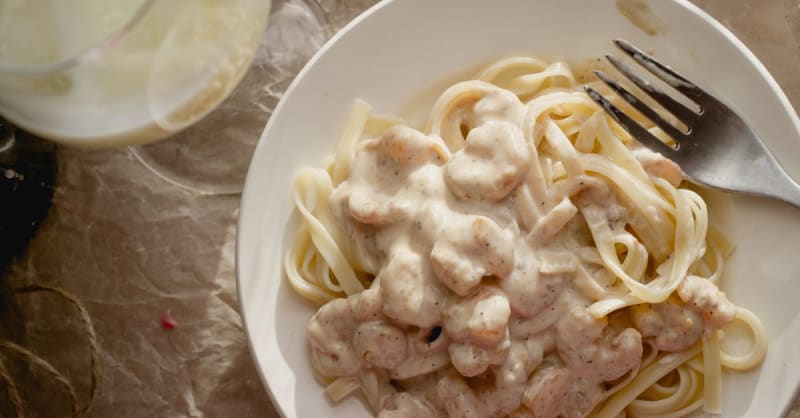
- Meal prep Sundays: Make a batch of gluten-free Alfredo Sauce and portion it with grilled chicken or shrimp for lunches. It reheats well, so you can build several meals without starting from scratch.
- Lunchboxes: A small container of gluten-free Alfredo Sauce can turn leftover vegetables and pasta into a lunch you’ll actually want to eat. I love how it keeps a gluten-free lunch from feeling like a punishment.
- Backyard BBQs: Serve gluten-free Alfredo Sauce as a dip for grilled vegetables or drizzle it over baked potatoes. It’s a nice swap when everyone else is doing heavy barbecue sauces.
- Thanksgiving sides: Spoon a little gluten-free Alfredo Sauce over roasted cauliflower or green beans for a richer side dish. That can help a gluten-free guest feel included without needing a separate menu.
- Busy nights: We like to keep one or two gluten-free Alfredo Sauce brands in the pantry for emergency dinners. That way you’re not stuck ordering takeout when the fridge is thin.
Who Should Avoid It?
People with gluten intolerance should still read labels closely, even when the front of the jar looks reassuring. The safest version is a clearly labeled product, not a sauce that only seems simple. If you react to tiny amounts of gluten, a restaurant version can be risky because flour thickeners, shared utensils, and pasta water can all create problems. I’ve seen plenty of people feel fine with one brand and then get sick after a different batch or a menu item that looked identical.
- Individuals with celiac disease should be especially careful with restaurant Alfredo, buffet trays, and creamy pasta bakes.
- Anyone who reacts to cross contact should avoid sauce made in shared pans or ladled from a communal serving dish.
- Shoppers who want the least stress should choose certified products instead of guessing from ingredient short lists.
- People who eat out often may want to skip house-made sauces unless the kitchen can confirm the recipe and prep setup.
Health Benefits
Bone support: A typical gluten-free Alfredo Sauce made with dairy can contribute calcium, which matters for bone health. That can be useful if you’re already avoiding several fortified grain foods.
- Satiety: The fat in Alfredo Sauce can help a meal feel satisfying, which is one reason it works well in low-carb diets. Pair it with protein and vegetables for a steadier plate.
- Energy density: Because it’s rich and calorie-dense, a small serving can add a lot of flavor without needing much volume. That can help people who struggle to eat enough during recovery or busy weeks.
- Comfort factor: A gluten-free Alfredo Sauce can make familiar pasta nights feel normal again after a diagnosis. I’ve seen that emotional win matter just as much as the nutrition profile.
- Versatility: The sauce works beyond pasta, from baked chicken to roasted vegetables. That flexibility can make gluten-free meal planning feel less repetitive.
- Protein pairing: Alfredo Sauce is easy to combine with chicken, shrimp, or tofu for a more balanced meal. We often recommend building it into a plate with vegetables so it doesn’t crowd out other nutrients.
- Quick prep: Store-bought gluten-free Alfredo Sauce can save time on nights when you’re cooking for a mixed household. That convenience can help people stay consistent with gluten-free eating at home.
Celiac Disease Safety
Safe for celiac disease? For plain Alfredo Sauce, yes. For packaged or restaurant versions, that answer depends on the label. Can people with celiac disease eat Alfredo Sauce if it’s made carefully? Absolutely, but the details matter more than the name on the menu.
Celiac disease affects around 3 million Americans, so this isn’t a niche concern, and even a small ingredient slip can cause real symptoms. Celiac Disease Foundation has excellent education on why ingredient verification matters so much.
The hidden forms are where people get tripped up. Alfredo can show up in cream soups, frozen casseroles, garlic bread dips, seasoning blends, and restaurant pasta dishes that use a flour-thickened white sauce. I’ve also seen it tucked into chicken bakes and seafood entrées where the sauce is listed as just “cream sauce” on the menu.
That’s why Alfredo Sauce safe for celiac disease really means verified ingredients, not assumptions.
If you’re eating out, ask: “Does this Alfredo Sauce contain any wheat-based thickener, and is it made in a shared pan or with shared pasta water?” If you’re shopping, ask the deli or prepared-food staff whether the exact product is a certified gluten-free Alfredo Sauce or a standard recipe.
Cross-Contamination Risk
Understanding Alfredo Sauce cross contamination means understanding where in the supply chain gluten can enter. At home, the biggest problem is usually not the sauce itself but what touches it. Shared pasta water is a classic one, because a spoonful of starchy wheat water can get mixed into the sauce right before serving.
Shared colanders are another easy miss, especially if you rinse gluten pasta and then strain gluten-free noodles in the same tool. And if someone stirs the sauce with a spoon that was sitting in breadcrumb crumbs or used on garlic bread, that’s cross contamination too.
Here’s the thing. People often worry about the jar, but the kitchen setup matters just as much. Shared cutting boards can transfer wheat flour from bread prep to the saucepan area, and a shared fry pan used for breaded chicken can contaminate a whole meal before the sauce even hits the plate.
We also see this in family kitchens where a pot of pasta gets drained, then the same colander goes right back into service for gluten-free dinner. Beyond Celiac has good practical guidance on these everyday risks Beyond Celiac.
For the home cook, the safest store choice is usually a retailer with strong gluten-free filtering like Whole Foods, and I’d look for a certified gluten-free Alfredo Sauce when possible. That certification gives you another layer of protection when Alfredo Sauce and gluten share a kitchen.
Is It Naturally Gluten-Free?
At the ingredient level, Alfredo Sauce and gluten have nothing to do with each other. Gluten is a protein found in wheat, barley, and rye, while a basic Alfredo sauce is usually built from dairy, fat, and cheese instead. That means the risk usually starts later, when thickeners, flour-based roux, or pasta add-ins get involved.
In my experience helping people navigate gluten-free eating, the label confusion on this one is real. A plain sauce can be fine, but a packaged version might still include modified food starch or a seasoning blend that changes the picture.
Under FDA rules, any product carrying a gluten-free label must test below 20 ppm of gluten, which gives you a real benchmark to trust FDA gluten-free labeling rules. That standard is one reason certified products are so helpful when you’re comparing jars at the store.
If you’re staring at a label and wondering does Alfredo Sauce contain gluten, the answer depends on the exact product, not the dish name. For shoppers who want less guesswork, certified gluten-free Alfredo Sauce options are the safest shortcut. And because Alfredo Sauce and gluten only cross paths through added ingredients, the base recipe itself is usually the easier part.
The bigger question is how the sauce was made and packaged.
Common Gluten Risks
Alfredo Sauce gluten free questions usually turn into label-reading questions fast, because the sauce itself is simple but the commercial versions are not always simple. The biggest risks are hidden thickeners, flavored add-ins, and pasta-night shortcuts that bring gluten along for the ride.
A jar of Bertolli or Prego Alfredo may be perfectly fine one year and then change formula the next, so I always tell people to check the ingredient list every time. A box of Knorr pasta sides or a pre-seasoned sauce packet can also sneak in wheat starch, maltodextrin from a questionable source, or a wheat-based flavor system.
And some frozen meal kits use sauce blends that are separate from the pasta, which makes it easy to miss the gluten source.
You’ll also want to watch for restaurant-style garlic Alfredo sauces that use flour as a thickener, especially in chain kitchens where recipes are standardized. If you’re comparing gluten-free Alfredo Sauce brands, the safest ones are the products that clearly state gluten free on the label or carry certification. So, does Alfredo Sauce have gluten?
Sometimes it does, but usually because of what got added after the dairy.
Bottom Line — Is Alfredo Sauce Gluten Free?
You came here with one question about Alfredo Sauce and gluten. The answer is more actionable than you might have expected. In most cases, the sauce itself can fit a gluten-free diet, but the real risk is the version you buy or the way it’s handled in a kitchen. If you’ve been burned by a meal that looked safe, that caution makes sense.
I always tell people to trust the ingredient list, then trust the prep setup second.
Editorial Process
This article was written and reviewed by the Gluveto Editorial Team for factual accuracy, gluten-free safety, and alignment with current FDA labeling guidance.
We reference trusted organisations including the Celiac Disease Foundation and the FDA when evaluating foods and ingredients.


