
Is Bacon Gluten Free?

Quick Answer
Is Bacon Gluten Free?
Is Bacon gluten free? In most cases, yes, plain bacon is gluten free. Bacon can still pick up gluten from flavorings or restaurant prep. Look for certified gluten-free Bacon brands when you want the safest option.
A lot of people first ask this while standing in the meat case, staring at a row of smoky, maple, thick-cut, and peppered packages and trying to guess which one is safe. If you’re new to gluten-free eating, that uncertainty is real, especially when celiac disease, gluten sensitivity, and wellness trends all seem to be pulling food labels in different directions.
Can you eat Bacon on a gluten-free diet without second-guessing every package? In most cases, yes, but the details matter more than people expect. We’ve tested and researched this category extensively over the years, and I still see shoppers get tripped up by seasoning blends, restaurant prep, and label wording that looks safer than it really is.
How to Eat It Safely
Breakfast plates: Pair gluten-free Bacon with eggs, fruit, and hash browns for a simple weekend meal. If you’re cooking for a group, keep one clean skillet for the bacon so you don’t worry about crumbs from toast.
- Lunchboxes: Crumble cooled gluten-free Bacon over a salad or tuck it into a lettuce wrap for extra flavor. We like to use it sparingly here, because a little goes a long way and keeps lunch from feeling repetitive.
- Meal prep Sundays: Cook a batch of gluten-free Bacon and refrigerate it for quick weekday use. It reheats well in the microwave or skillet, which makes it easier to build fast breakfasts without reaching for packaged foods with longer ingredient lists.
- Thanksgiving sides: Add bacon to Brussels sprouts, green beans, or mashed potatoes when you want a savory side that feels festive. Just make sure any seasoning mix or butter you use is gluten free too.
- Backyard BBQs: Use gluten-free Bacon in burgers or wrapped around grilled shrimp for a crowd-pleasing option. I love this for cookouts because it gives you a familiar flavor without making the whole meal more complicated.
- Weeknight dinners: Stir chopped bacon into baked potatoes, roasted vegetables, or cauliflower soup for extra depth. If you’re shopping for gluten-free Bacon brands, choose one you can buy consistently so dinner planning stays easy.
Cross-Contamination Risk
The gluten risk in Bacon isn't about the ingredient - it's about what happens before it reaches your kitchen. At American restaurants, bacon is often cooked on the same grill as pancakes, toast, or breaded breakfast items, and that’s where cross contamination can sneak in. Shared tongs, shared pans, and bacon cooked next to biscuit gravy are all common problems.
I’ve seen plenty of menus where the bacon itself is fine, but the prep area isn’t.
Cross contamination can also happen through shared fryers or seasoning stations. At brunch spots, bacon may be placed on the same surface used for English muffins or flour tortillas, and that matters if you’re sensitive. Beyond Celiac Beyond Celiac has long pointed out that restaurant prep is one of the easiest places for gluten-free mistakes to happen, even with simple foods.
So what should you ask for? Request bacon cooked on a clean pan or separate grill area, and ask whether the kitchen uses shared utensils. For packaged food, look for "certified gluten free" and a trusted third-party seal, because those details are more reliable than a front-label promise alone. Does Bacon have gluten from the factory?
Usually no, but the restaurant line is where cross contamination tends to show up.
Common Gluten Risks
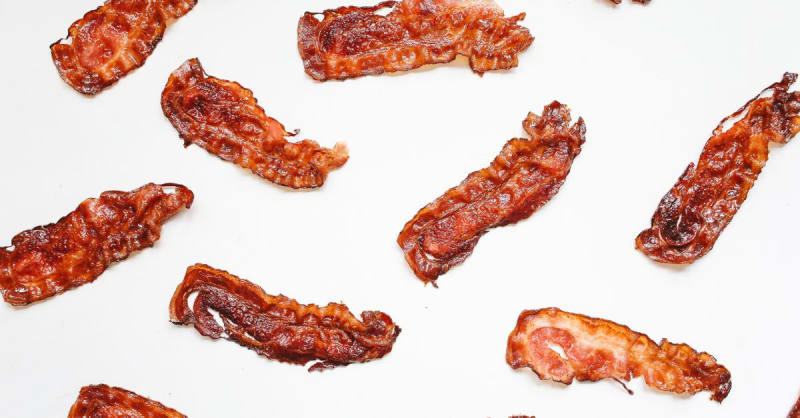
The risk with Bacon is usually low, but the flavored versions can surprise you. Bacon and gluten become a problem most often when brands add seasoning blends, glaze packets, or smoke flavor systems that aren’t as simple as they look.
For example, maple bacon from a mainstream brand like Wright or Smithfield may be fine, but a peppered or brown sugar version can include spice mixes that need a second look. I’ve also seen shoppers get caught by bacon bits or salad toppers, where the ingredient list may include malt flavoring or a seasoning base that isn’t gluten free.
Even bacon-flavored products in boxed meals can be different from plain strips.
We’ve tested and researched this category extensively over the years, and the pattern is consistent: the more processed the product, the more likely the label needs scrutiny. Does Bacon contain gluten in general? Not usually, but a bacon-flavored crumble or pre-seasoned product can change that fast.
If you’re unsure, check for wheat, barley malt, malt extract, and any vague "seasoning" wording before you buy.
Celiac Disease Safety
Plain Bacon and celiac disease aren't in conflict. The processed versions are a different story. Can people with celiac disease eat Bacon? Yes, but the hidden forms are where people get caught, especially in soups, sauces, seasoning blends, and restaurant dishes that use bacon as a flavor booster rather than a standalone meat.
I’ve had clients miss bacon in potato soup, loaded baked potato toppings, and salad kits because the ingredient list looked harmless at first glance.
Celiac disease is more common than most people realize, affecting about 1 in 100 Americans, so label habits really matter.
If you’re buying for celiac disease, Bacon safe for celiac disease usually means a plain product from a brand you trust, plus a careful look at any glaze, spice rub, or added flavoring. Celiac Disease Foundation is a good place to review what celiac-safe shopping looks like when you’re still building confidence.
The one action that makes the biggest difference is choosing a certified gluten-free bacon product whenever possible. That single habit cuts down on guesswork, and in my experience, it’s the simplest way to make a weeknight breakfast feel safe again.
Is It Naturally Gluten-Free?
For anyone scanning labels and wondering whether Bacon belongs on a gluten-free shelf - it does. The reason the package may still not say "gluten free" is simple: some brands don’t bother to label foods that are naturally free of gluten unless they want to market that claim.
That can feel confusing, but it doesn’t automatically mean the food is unsafe. FDA gluten-free labeling rules explains the US standard clearly, and to carry a gluten-free label in the US, a product must contain fewer than 20 ppm of gluten per FDA standards.
Here’s the part I always remind new gluten-free shoppers about: a lack of a gluten-free claim is not the same thing as a gluten-containing ingredient list. When Bacon is plain and unflavored, it usually fits the category of Bacon gluten free without much drama. Still, you should read for added seasonings or smoke flavorings, because the label is where the real story lives.
I've noticed that people feel calmer once they know what they’re looking for on the package. If the ingredient list is short and familiar, that’s a good sign. If you want extra reassurance, certified products can help, especially when you’re still learning the difference between a naturally gluten-free food and one that’s formally verified.
For many families, that little label makes breakfast feel manageable again, and that matters when you’re trying to rebuild routine around food.
What Is It?
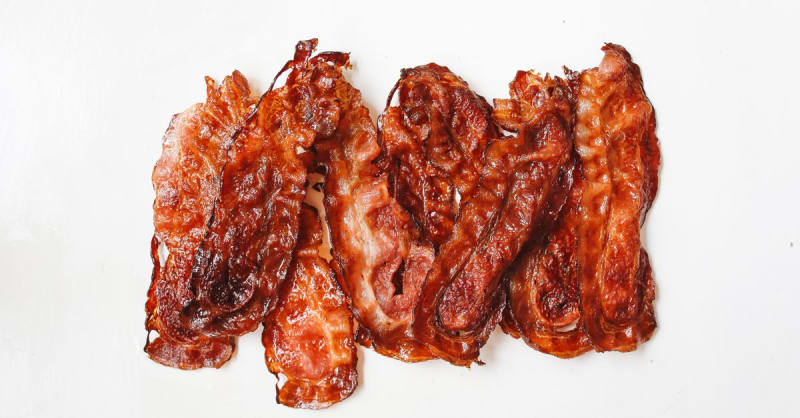
Bacon has a long place in American kitchens, from weekend breakfast plates to BLTs, casseroles, and salad toppers. Most shoppers in the US are buying pork belly or streaky bacon that’s cured, smoked, and sliced before it reaches the pan. That curing step is why people ask about ingredients so often, because processed meats can be a little tricky even when the base food is simple.
In my experience, the brands people recognize most often include Oscar Mayer, Hormel, Applegate, Wright, and Smithfield. Some are just plain bacon strips, while others come in maple, peppered, or center-cut versions that need a closer look.
I’ve found that the nutrition profile is pretty similar across the category: it’s high in protein, brings some B vitamins to the table, and is also high in sodium and saturated fat, so portion size still matters. For a lot of gluten-free eaters, bacon fits best as a flavor food, not the main protein at every meal.
Who Should Avoid It?
People who need to avoid pork for religious, ethical, or personal reasons should skip bacon entirely, even if it’s gluten free. And if you’re watching sodium or saturated fat closely, bacon may not be a daily staple. Some people with reflux or migraines also notice that cured meats don’t sit well, so it’s worth paying attention to your own body rather than following trends.
- - Choose a smaller portion if you’re using bacon as a flavor accent rather than the main protein.
- - Skip maple or peppered versions if you want the shortest ingredient list.
- - Look for a brand you can buy again and again, so you’re not guessing every time.
- - Avoid bacon served on shared restaurant grills if you’re highly sensitive to gluten.
- - If you follow a low-sodium plan, compare labels and pick the option with less salt per serving.
Health Benefits
Protein support: Bacon can contribute protein to a meal, which helps with muscle maintenance and makes breakfast more filling. A few strips of Bacon gluten free can also round out a lower-carb plate when you’re trying to stay satisfied longer.
- Satiety boost: Because bacon is rich and savory, it can help you feel full with a smaller portion. That can be useful for people eating keto or low-carb, especially when paired with eggs or vegetables.
- B vitamin source: Bacon provides some B vitamins, including niacin and vitamin B12, which support energy metabolism and nervous system function. It’s not a multivitamin, but it does bring more than just flavor to the plate.
- Convenience factor: Pre-cooked bacon strips can make gluten-free breakfasts faster on busy mornings. We often recommend keeping a trusted package on hand for quick meals, especially when you’re still learning label reading.
- Flavor enhancer: A small amount of bacon can add a lot of taste to salads, soups, and roasted vegetables. That can help gluten-free meals feel more satisfying without relying on breaded toppings or sauces.
- Low-carb fit: Bacon works well in keto and paleo eating patterns because it’s naturally low in carbohydrate. If you’re reducing bread and pasta while adjusting to gluten-free eating, that can make meal planning feel less restrictive.
- Meal flexibility: Bacon can fit into breakfast, lunch, or dinner without much effort. I’ve found that versatile foods like this are helpful when someone is trying to keep gluten-free eating realistic, not perfect.
Bottom Line — Is Bacon Gluten Free?
A gluten-free diet that includes Bacon is entirely achievable, as long as you know which version to buy. The plain stuff is usually straightforward, but Bacon gluten free choices get safer when you pay attention to flavorings, shared kitchen surfaces, and whether the package has a trusted certification.
If you’re shopping this week, make one simple habit your default: read the ingredient list before you toss the package in your cart, and ask how bacon is cooked when you eat out. That one step saves a lot of stress, and we’ve seen it help people feel steadier fast.
Editorial Process
This article was written and reviewed by the Gluveto Editorial Team for factual accuracy, gluten-free safety, and alignment with current FDA labeling guidance.
We reference trusted organisations including the Celiac Disease Foundation and the FDA when evaluating foods and ingredients.