
Is Brown Sugar Gluten Free?

Quick Answer
Is Brown Sugar Gluten Free?
Is Brown Sugar gluten free? Yes, plain brown sugar is generally gluten free. Brown Sugar contains no gluten, but flavored or specialty blends can be a different story. Certified gluten-free Brown Sugar makes shopping easier when you're packing lunchboxes.
Gluten-free labels can turn a simple grocery run into a second-guessing session, especially when you're packing a kid's lunch and don't want to miss one tiny detail. Is Brown Sugar gluten free? In most cases, yes, and that answer matters whether you're managing celiac disease, gluten sensitivity, or just trying to sort real food from wellness marketing.
I've spoken with people newly diagnosed with celiac disease who ask about this constantly. If you've ever wondered is Brown Sugar safe for a gluten-free diet, you're not alone, and the label confusion around Brown Sugar and gluten is very real.
Also Read
What Is It?
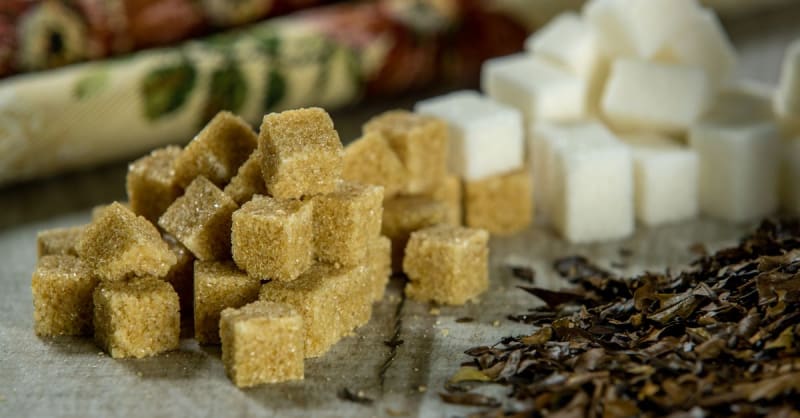
Brown sugar has a long, familiar place in American kitchens, from oatmeal cookies to barbecue rubs to the spoonful that softens a weeknight oatmeal bowl. It’s basically white sugar with molasses added back in, which gives it that moist texture and caramel color people expect.
In the U.S., you’ll see it from brands like Domino, C&H, and Florida Crystals, and store brands often sit right beside them. I’ve found that parents usually care less about the chemistry and more about whether the bag is safe enough for school lunches.
Nutrition-wise, it’s still sugar, so the main job is sweetness, not vitamins, even though tiny amounts of minerals like calcium and potassium may show up.
Common Gluten Risks
Brown Sugar is low risk for gluten, but the risky versions are usually the flavored ones or the ones mixed with other ingredients. A bag of plain Domino Brown Sugar is one thing; a cinnamon sugar blend like McCormick Cinnamon Sugar or a baking mix with added starches is another.
Those products can bring in wheat-based flavorings, malt flavor, or shared processing lines that plain sugar doesn't have. I've seen shoppers miss this because the front label looks almost identical.
Brown Sugar gluten free shoppers should also watch for specialty products that include cookie crumbs, spice packets, or dessert toppings, since those are much more likely to contain gluten than the basic pantry staple. If a package isn't plain, check the ingredient list for wheat, barley malt, or any mystery flavor blend before it goes in the cart.
Celiac Disease Safety
Ask any gluten-free dietitian about Brown Sugar and celiac disease - you'll hear the same answer: it depends on the form. If you're standing in the baking aisle, grab a sealed bag from a mainstream brand like Domino, C&H, or Florida Crystals, then turn it over and read the ingredient list.
I always tell parents to put back anything that says cinnamon, maple, caramel, or dessert topping unless they can verify every ingredient.
About 1 in 133 Americans has celiac disease, roughly 1% of the population, so this isn't a niche concern in a school lunch line. Celiac Disease Foundation The Celiac Disease Foundation also reminds shoppers to look beyond the front of the package, which matters here because a plain bag and a flavored blend can look almost identical.
If you want the lowest-risk choice, skip the riskiest product type: bulk-bin brown sugar or any mixed seasoning packet with sweetener added.
Also Read
How to Eat It Safely
Weeknight dinners: Use gluten-free Brown Sugar in a quick glaze for salmon, chicken, or roasted carrots. It melts easily and gives you that caramel finish without much effort.
- Lunchboxes: Pack a small container of plain brown sugar for oatmeal or yogurt if your child eats breakfast at school. We like to pair it with fruit so the sweetness doesn't carry the whole meal.
- Meal prep Sundays: Stir Brown Sugar gluten free into homemade granola or baked oatmeal cups. That way, you're not reading labels in a rush on a busy school morning.
- Thanksgiving sides: Add a spoonful to sweet potatoes or roasted squash for a familiar holiday flavor. It works well in recipes you already trust, which keeps the gluten-free swap simple.
- Backyard BBQs: Mix it into dry rubs or barbecue sauce when you're cooking at home. I love how a little brown sugar can make a gluten-free cookout taste like the classic version everyone expects.
- Snack time: Sprinkle a tiny amount over cinnamon toast made with gluten-free bread, or stir it into applesauce. Keep the serving small, since it’s meant to add flavor, not become the main event.
- Dessert swaps: Use it in gluten-free cookies, fruit crisps, or mug cakes when you want a softer texture. If you’re buying gluten-free Brown Sugar brands, choose the plain bag first and save the flavored versions for after you've checked every ingredient.
Who Should Avoid It?
Most people with celiac disease can use plain brown sugar without trouble, but I’d still avoid anything that isn’t a simple, sealed product. The biggest problem isn’t the sugar itself, it’s the extra ingredients and handling that can sneak in with flavored blends or open bins. If a package says cinnamon, maple, caramel, or dessert topping, treat it like a separate product and read it like one. Parents of newly diagnosed kids often tell me they feel safer once they stop treating every brown-colored sweetener as interchangeable.
- Avoid bulk-bin brown sugar if you’re shopping for someone with celiac disease.
- Skip flavored brown sugar packets unless the ingredient list is fully clear.
- Put back any product with wheat, barley malt, or mystery spice blends.
- Choose sealed grocery-store bags over open scoops or bakery display containers.
Health Benefits
Energy boost: Brown sugar is still a quick carbohydrate source, so it can provide fast energy in a snack or recipe. That doesn't make it a health food, but it does explain why a little can help with taste and calories in kid-friendly meals.
- Flavor depth: Brown sugar brings a molasses note that plain white sugar doesn't have. We often recommend it when families need a little more richness in baked oatmeal or banana bread without adding a long ingredient list.
- Mineral trace amounts: Brown sugar can contain small amounts of minerals like calcium and potassium because of the molasses content. The amounts are modest, so I wouldn't count on it for nutrition, but it's a small bonus.
- Easy pantry staple: Brown Sugar gluten free options are widely sold in regular grocery stores, which makes it practical for busy households. That convenience matters when you're trying to keep lunch prep simple and consistent.
- Baking support: It helps baked goods stay softer and a little chewier. In my experience, that's one reason parents reach for it in cookies and quick breads that need kid appeal.
- Caribbean and American cooking fit: Brown sugar shows up in both American and Caribbean cuisines, so it can bridge family recipes without forcing a major menu change. That makes gluten-free cooking feel more familiar.
- Small-portion sweetness: Because it tastes rich, many people use less than they would of plain sugar. That's not a free pass, but it can help when you're trying to keep desserts balanced.
Cross-Contamination Risk
For Brown Sugar buyers with celiac disease, cross contamination is the variable that matters most. The biggest retail risk is open display or bulk bin access, where a scoop can move from one product to another and carry crumbs with it.
Cross scooping is a bigger issue than the sugar itself, especially in stores that let customers scoop from shared bins or use the same utensil for multiple bins.
Open canisters in bakery departments and self-serve toppings at a store deli counter can also create cross contamination if a spoon gets reused. Beyond Celiac Beyond Celiac has good general guidance on avoiding cross contamination, and that advice fits here because Brown Sugar is usually safe until people start sharing tools.
For a safer buy, choose sealed, packaged brown sugar from a known brand instead of anything from a shared scoop station.
Is It Naturally Gluten-Free?
Ask whether Brown Sugar contains gluten, and the ingredient answer is clear: it doesn't. Sugar comes from sugar cane or sugar beets, not from wheat, barley, or rye, so the protein structure that causes gluten problems simply isn't part of the base ingredient.
The real question is where the gluten risk comes from, and with this food, it's usually the handling or the extras, not the sugar itself. FDA gluten-free labeling rules The FDA's gluten-free threshold is 20 ppm, the level considered safe for most people with celiac disease, which is why plain brown sugar can fit easily into a gluten-free kitchen.
I've noticed that people relax once they realize the issue isn't the sugar. Still, a cinnamon brown sugar packet or a dessert topping blend can be a different story, so that's the form I'd flag first.
Bottom Line — Is Brown Sugar Gluten Free?
After reading this, the Brown Sugar aisle should feel a lot less uncertain. Plain brown sugar is generally a safe, gluten-free pantry staple, but the flavored blends, bulk bins, and shared scoops are where you need to slow down. That’s the part I want parents to remember when they’re packing a lunchbox or shopping between activities.
If you’re still unsure, check the Celiac Disease Foundation, Beyond Celiac, or your store’s gluten-free section before you toss a package in the cart. That little extra step can save a lot of stress, and we all deserve that kind of peace at the grocery store.
Editorial Process
This article was written and reviewed by the Gluveto Editorial Team for factual accuracy, gluten-free safety, and alignment with current FDA labeling guidance.
We reference trusted organisations including the Celiac Disease Foundation and the FDA when evaluating foods and ingredients.

