
Is Cream Cheese Gluten Free? What You Need to Know

Quick Answer
Is Cream Cheese Gluten Free?
Is Cream Cheese gluten free? Yes, plain Cream Cheese is naturally gluten free and safe for most people with celiac disease. However, Cream Cheese gluten free status changes if there are add-ins or cross contamination. For the highest safety, look for certified gluten-free Cream Cheese brands or check for gluten-free labeling.
I've seen this question in nearly every gluten-free Facebook group and Reddit thread: is Cream Cheese gluten free, or is it secretly off-limits? Food labels can be overwhelming when you're starting a gluten-free diet, especially if you have celiac disease, gluten sensitivity, or are following the latest wellness trends.
It seems simple, but tracking down which dairy products are safe and which aren’t, like Cream Cheese and gluten, often leads to confusion. So, is Cream Cheese safe for a gluten-free diet, and what about eating out?
In this article, I'll break down whether Cream Cheese is safe for celiacs, what you need to look for on the label, and how to avoid hidden sources of gluten in your favorite spreads.
Also Read
Common Gluten Risks
Cream Cheese generally ranks low for gluten risk, but not all Cream Cheese gluten free products are equal, especially in flavored styles. First, some brands add mix-ins like cookie crumbles, pretzels, or pie crust pieces to create dessert-flavored spreads, these often use wheat-containing ingredients.
I've noticed seasonal blends (pumpkin spice, cinnamon roll, or s’mores) sold at mainstream grocers sometimes contain gluten-containing graham or cake pieces. Second, packaged dips or spreads combining Cream Cheese with processed meats or sauces may use wheat-based thickeners or malt vinegar, especially in deli-style products.
Finally, restaurant-prepared dishes often use bulk tubs or shared utensils, increasing the chance of cross contamination. If you're buying Cream Cheese gluten-free options, check for wheat, barley, rye, or "contains: wheat" on the label, and ask at restaurants how their spreads are stored and served.
Is It Naturally Gluten-Free?
No wheat. No barley. No rye. That's why Cream Cheese is naturally gluten free. The reason comes down to biology: gluten is a protein found in the seeds of grains like wheat, barley, and rye, not in dairy. Unlike processed cheeses, Cream Cheese starts and ends with cultured milk and cream.
But here's the thing: people still ask is Cream Cheese gluten free because contamination can sneak in during flavoring, thickening, or packaging, think cookie dough, savory garden veggie, or spiced pumpkin blends.
According to FDA gluten-free labeling rules, a product can only be labeled gluten-free if it contains less than 20 ppm of gluten, the level considered safe for most people with celiac disease. If a product meets this threshold and carries a "certified gluten-free Cream Cheese" label, you can trust it’s held to specific standards.
Ingredient lists are your best friend when evaluating Cream Cheese and gluten. So, is Cream Cheese gluten free? Unless you see wheat, barley, rye, or gluten-containing thickeners, the answer is yes, but watch for flavored versions and always scan for a certified gluten-free Cream Cheese seal if you need extra assurance.

Cross-Contamination Risk
Cross contamination with Cream Cheese is more food-specific than people realize. Here's where it actually happens. When I review ingredient lists and audit kitchens, packaged flavored Cream Cheese, like chive & onion, jalapeño, or dessert varieties, are the top contamination culprits.
These versions are frequently produced on shared lines with gluten-containing crackers, bread, or cookies (sometimes even in the same dairy facility as cheesecake snacks). In home kitchens, double-dipping a knife from regular bread into the Cream Cheese tub can easily introduce gluten, especially in households that don't separate gluten-free and standard spreads.
At restaurants, Cream Cheese is typically scooped from bulk containers. If staff use the same utensils for regular bagels and gluten-free ones, it's a cross contamination risk.
That's why certified gluten-free Cream Cheese is the safest bet, many national brands like Organic Valley or Green Valley label their plain Cream Cheese gluten-free, while some store-brand flavored tubs do not. If you're ordering at a café, ask if your Cream Cheese comes from an unopened, sealed container just for gluten-free orders.
For more resources on risks and safe options, see Beyond Celiac. And remember, checking for cross contamination is non-negotiable for celiac safety, especially with Cream Cheese and gluten.
What Is It?
Whether you’re spreading it on a bagel, baking a classic cheesecake, or whipping up a batch of spinach dip, Cream Cheese is a staple in American kitchens. This spreadable soft cheese was first popularized in the US in the late 1800s, and today brands like Philadelphia, Organic Valley, and store brands at Kroger or Whole Foods fill the dairy aisle.
Cream Cheese is made by blending milk and cream with lactic acid bacteria, creating its signature tang and creamy texture. In my experience, we often recommend Cream Cheese as a versatile option for gluten-free snackers and home cooks alike. Nutritionally, Cream Cheese is high in fat (around 9g per ounce), provides some calcium, and is low in protein.
Most of the time, gluten-free Cream Cheese simply means avoiding any product where wheat, barley, or rye ingredients have been added. But does Cream Cheese contain gluten? For plain styles, the answer is almost always no, but flavored versions deserve an extra check.
Celiac Disease Safety
Ask any gluten-free dietitian about Cream Cheese and celiac disease - you'll hear the same answer: it depends on the form. At American restaurants, Cream Cheese is most often served with bagels, on breakfast platters, or in dips.
I've noticed most diners and coffee shops use large tubs for speed, but they might not dedicate a tub or knife for gluten-free orders, raising the risk for cross contamination. To keep Cream Cheese celiac safe, questions like "Do you have packets or single-serve containers?" or "Is this Cream Cheese from a new tub and with a clean utensil?" are essential.
According to Celiac Disease Foundation, anyone with celiac disease (which affects around 3 million Americans) should focus on single-serve or sealed products when dining out. Grocery store versions, especially certified gluten-free Cream Cheese, are typically lower risk, but always verify both ingredients and the facility statement.
For the highest level of safety, make it a habit to purchase plain Cream Cheese marked "gluten-free" or "certified gluten-free" from a trusted store like Whole Foods or Kroger.
Who Should Avoid It?
Most people eating gluten free can enjoy Cream Cheese without worry, but there are a few situations where this spread isn't the best fit. Anyone with lactose intolerance or a dairy allergy should avoid it, since Cream Cheese is a full dairy product and could trigger symptoms. Those who only want Cream Cheese gluten free and nothing else in their diet may forget to check for hidden additives, so vigilance is still needed if you buy flavored or pre-mixed versions. Some individuals also dislike the texture or higher fat content, which could be a factor for specific medical diets.
- People with diagnosed lactose intolerance or dairy allergy
- Anyone with a history of milk protein sensitivity
- Individuals following a vegan or dairy-free diet
- Those who dislike high-fat spreads or creamy textures
How to Eat It Safely
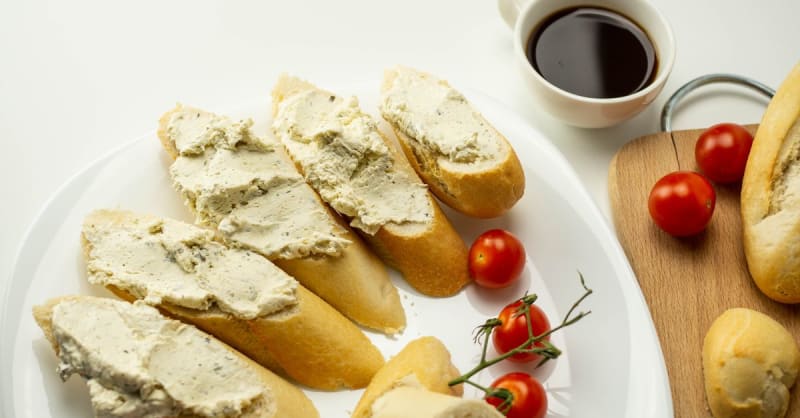
Spread plain gluten-free Cream Cheese on toasted gluten-free bagels or sandwich bread for a classic breakfast or snack.
- We like to use whipped Cream Cheese as a veggie dip at summer BBQs, it pairs well with carrot sticks, celery, and bell pepper strips.
- Try mixing gluten-free Cream Cheese with salsa for a quick, crowd-pleasing party dip. The texture is just right for chips or crackers.
- For holiday meals, blend Cream Cheese into mashed potatoes or savory casseroles for extra richness. I've found it melts in beautifully without breaking.
- Make a gluten-free cheesecake using trusted Cream Cheese gluten-free brands from Whole Foods or Trader Joe's. It’s a favorite at birthdays.
- Add a dollop of Cream Cheese to scrambled eggs for a creamy breakfast twist, or stir into pasta sauces for added body and tang.
- If you're meal prepping lunches, portion single-serve gluten-free Cream Cheese cups for grab-and-go snack boxes, you'll find these at most big grocery chains.
Health Benefits
Good source of calcium: As a gluten-free Cream Cheese, it provides a meaningful dose of calcium for strong bones and teeth.
- May help meet fat needs: Cream Cheese is high in healthy fats, which makes it a rich, satisfying option for people needing extra calories.
- Supports bone health: Regular consumption contributes to daily calcium intake, a nutrient many Americans don't get enough of.
- Easy to digest for many: Pure Cream Cheese contains no gluten, no fiber, and usually no added sugar, ideal for sensitive stomachs, unless lactose is an issue.
- Versatile nutrient delivery: Use Cream Cheese to boost the taste and creamy texture of protein-rich meals, from omelets to chicken roll-ups.
- Convenient for meal prep: Its long fridge life and easy portioning make it a go-to for quick, gluten-free snacks.
- Minimal ingredients: Most plain Cream Cheese contains just milk, cream, and salt, free of additives that sometimes trigger other food sensitivities.
- Compatible with many diets: It fits ketogenic, low-carb, and gluten-free eating plans, making it a flexible staple for diverse needs.
Bottom Line — Is Cream Cheese Gluten Free?
For most people managing celiac disease or gluten sensitivity, plain Cream Cheese is a reliable staple. As long as you double-check for flavored varieties and watch out for cross contamination, there’s little reason to avoid this creamy classic. Certified gluten-free Cream Cheese from Organic Valley is a great starting point if you want peace of mind.
I always keep a tub on hand for easy, worry-free meals and snacks.
Editorial Process
This article was written and reviewed by the Gluveto Editorial Team for factual accuracy, gluten-free safety, and alignment with current FDA labeling guidance.
We reference trusted organisations including the Celiac Disease Foundation and the FDA when evaluating foods and ingredients.


