
Is Granola Gluten Free?

Quick Answer
Is Granola Gluten Free?
Is Granola gluten free? Sometimes, but only the right products fit a gluten-free diet. Traditional Granola can contain gluten from oats, barley malt, or shared equipment. Certified gluten-free Granola is the easiest label to trust.
A bowl of crunchy granola with yogurt feels like the kind of breakfast that should be simple, especially when you're trying to keep a favorite routine after a celiac diagnosis or while managing gluten sensitivity. Then you flip the bag and see oats, flavors, and a long ingredient list that suddenly feels less friendly. So, is Granola safe for a gluten-free diet?
In many cases, yes, but the details matter a lot more than people expect. In my experience helping people navigate gluten-free eating, the label confusion on this one is real. And if you're wondering can people with celiac disease eat Granola, the answer depends on the exact product, not the category name.
Cross-Contamination Risk
The gluten risk in Granola isn't about the ingredient - it's about what happens before it reaches your kitchen. Shared facilities are a big issue here because granola is often processed alongside wheat cereal, cookie pieces, pretzels, and granola bars that use wheat flour or barley malt. Those are exactly the kinds of foods that can leave residue on conveyors, scoops, and packaging lines.
The problem gets bigger with clusters and mix-ins. A crunchy cluster can be made in the same plant as oat-based breakfast cereal, chocolate-covered snacks, and breakfast bars that contain wheat syrup or cookie crumbs.
For a food like this, cross contamination can happen during blending, toasting, or bagging, especially when one line switches between gluten-free and regular products. That's why I tell people to look beyond the ingredient list and think about the facility story too.
In my experience, helping people sort out cross contamination is where Beyond Celiac becomes a useful reality check, because the label can look fine while the processing still raises questions. The cross contamination risk is moderate, and the best prevention step is to choose a certified gluten-free bag from a brand that clearly states its allergen controls.
What Is It?
Granola has been a familiar part of American kitchens for decades, usually showing up in breakfast bowls, snack jars, and lunchbox toppers. It started as a health food idea, then turned into a mainstream pantry staple with endless variations. Today, you can find versions from Nature Valley, KIND, Cascadian Farm, and store brands at nearly every big grocery chain.
I've found that people usually think of granola as a wholesome mix of oats, nuts, seeds, sweetener, and dried fruit. That basic structure is why it feels so versatile. We often recommend it as a quick breakfast or snack because it can bring fiber, some protein, and steady energy when paired with yogurt or milk.
The nutrition profile changes a lot by brand. Some bags lean heavily on sugar and oil, while others keep the ingredient list shorter and more balanced. If you're shopping for gluten-free eating, the ingredient list matters more than the front label claims. Granola and gluten can be a tricky pair because the base recipe is simple, but the processing and flavoring are where problems usually start.
Celiac Disease Safety
For celiac disease, Granola in its plain form doesn't pose a gluten threat. The challenge is the grocery store shelf, where one bag may be safe and the next one may not, even if they look nearly identical. Celiac disease affects around 3 million Americans, so this is a common shopping problem, not a niche one.
Picture the cereal aisle or the natural foods section. If you're shopping for yourself or someone in your house, start with the bag that says certified gluten-free, then check the ingredient list for oats, malt, and any wheat-based add-ins. Celiac Disease Foundation is a good reference point if you want to compare label language with celiac-safe standards.
I usually tell people to put back any granola that uses vague flavor blends, shared-line language without certification, or surprise mix-ins like cookie chunks.
Brands like Nature Valley, KIND, and Bob's Red Mill can all show up in this conversation, but the safest choice is the one with the clearest certification and the cleanest label trail. If you're shopping for celiac safety, the single biggest difference-maker is certified gluten-free Granola, because that certification cuts through the guesswork fast.
How to Eat It Safely
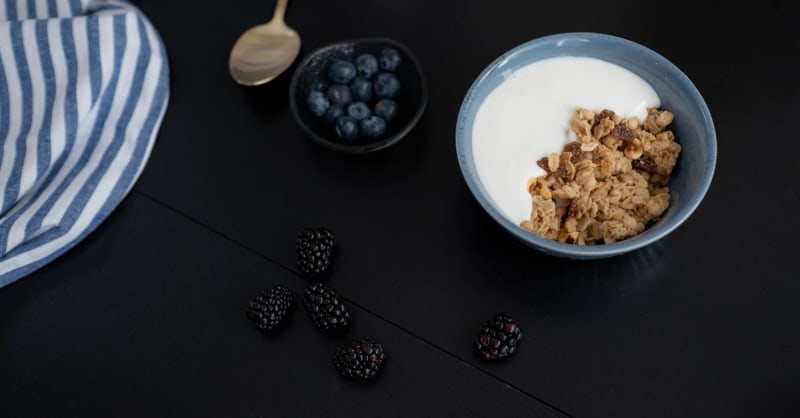
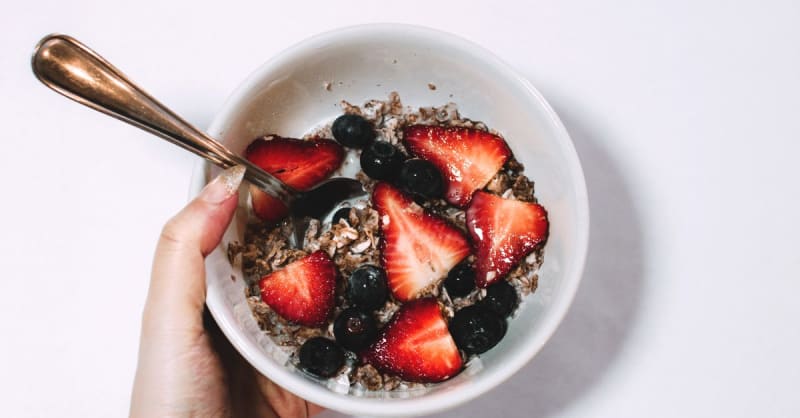
Breakfast bowl: Sprinkle gluten-free Granola over Greek yogurt with berries for a fast weekday breakfast. It gives you crunch, protein, and a little sweetness without much work.
- Meal prep Sunday: Portion gluten-free Granola into small containers so you can grab it all week. We like to keep it separate from regular cereal so nobody in the house mixes the bins by accident.
- Lunchbox fix: Pack a small serving with apple slices or string cheese for an easy school or work snack. That combo travels better than a lot of crumbly bars.
- Backyard BBQ topper: Use gluten-free Granola as a crunchy topping for fruit salad or vanilla ice cream at summer cookouts. Just make sure the serving spoon hasn't touched a gluten dessert tray.
- Thanksgiving side helper: Stir a little gluten-free Granola into baked apples or roasted squash for texture. I love how it adds a sweet crunch when you want a dish that feels special but still simple.
- Late-night snack: Keep a certified gluten-free bag around for those evenings when you want something sweet but not heavy. A small bowl can satisfy the craving without sending you back into the pantry for more.
Is It Naturally Gluten-Free?
What Granola is made from tells you everything about its gluten status. The good news is that the core ingredients are often oats, nuts, seeds, and dried fruit, which can all fit a gluten-free pattern when they're sourced and handled correctly.
To carry a gluten-free label in the US, a product must contain fewer than 20 ppm of gluten per FDA standards, and that's the benchmark I use when I look at packaged granola for clients. FDA gluten-free labeling rules
Is Granola gluten free when it stays close to that simple formula? Usually yes, if the oats are tested and the rest of the recipe doesn't bring in wheat, barley, or rye. In practice, that means gluten-free Granola should be clearly labeled, and certified gluten-free Granola gives you an extra layer of trust when you're shopping fast.
In my experience, the safest bags are the ones that make the gluten status obvious without forcing you to decode the ingredient list.
That said, traditional granola can be risky when it includes malt flavoring or a cereal-style mix-in. A bag that looks wholesome on the shelf can still contain gluten if the recipe leans on flavored clusters, cookie pieces, or barley-based sweeteners.
Health Benefits
Energy boost: Granola can be a quick carb source for busy mornings, which is why it works well before school drop-off or a workout. Pairing it with yogurt or milk can make the energy feel steadier.
- Fiber support: Many recipes use oats, nuts, and seeds, so gluten-free Granola can help you add fiber without much effort. That can be helpful if breakfast tends to be light.
- Whole grain intake: When the oats are gluten-free and minimally processed, granola can contribute whole grains to your day. That matters because whole grains bring more than just crunch.
- Portable snack: A small handful travels well in a bag, desk drawer, or glove compartment. I've seen a lot of people rely on it between meals when they need something simple.
- Nutrient variety: Nuts and seeds can add magnesium, iron, and healthy fats to the mix. The exact amounts vary by brand, so the ingredient list still matters.
- Meal satisfaction: The texture and sweetness can make breakfast feel more satisfying than plain cereal. That can help you stay full longer when you build it into a balanced meal.
- Easy topping: Gluten-free Granola can add crunch to fruit bowls, smoothie bowls, and cottage cheese. It gives you flavor without needing a lot of prep.
Who Should Avoid It?
People with celiac disease should be the most cautious with granola, especially if the package doesn't clearly say gluten free or certified gluten free. The category sounds safe, but the details can be messy, and that matters when your gut reacts to even small amounts. If you have non-celiac gluten sensitivity, you may also want to avoid products with barley malt, wheat-containing clusters, or vague natural flavor blends. Some shoppers do better sticking to brands with stronger testing and clearer labeling.
- Those with celiac disease: Skip any bag that doesn't give you a clear gluten-free label or certification.
- Anyone reacting to oats: Choose oat-free snacks if you know you don't tolerate even certified oats well.
- Shoppers who buy flavored clusters: Put back versions with cookie pieces, pretzels, or malt ingredients.
- Anyone eating from shared containers: Avoid bulk-style scoops or open bins unless the store has strict controls.
Common Gluten Risks
Granola and gluten get linked most often because the risk usually comes from the recipe, not the concept. Traditional granola can pick up gluten from ingredients like barley malt extract, wheat flour, or malt flavoring, and those show up more often than people realize in flavored clusters and dessert-style blends.
Nature Valley and KIND both make products that can look similar on the shelf, but not every flavor follows the same gluten status. I've seen shoppers grab a honey or chocolate version, then miss a cookie piece, pretzel bit, or malt ingredient buried in the panel. Granola gluten free labels matter here because the front of the bag can look clean while the ingredient list tells a different story.
Store-brand Granola gluten-free options can be just as useful, but they still need a careful read. Some versions use oat clusters made in facilities that also handle wheat cereal, granola bars, and baking ingredients like graham crumbs. That mix is exactly where does Granola contain gluten becomes a real question instead of a theoretical one.
The practical move is simple: scan for wheat, barley, rye, malt, and any cookie or cereal add-ins before you toss it in the cart.
Bottom Line — Is Granola Gluten Free?
Plain Granola belongs on your gluten-free grocery list. The flavored versions belong on your watch list. The label can be confusing, but now you know how to spot the difference between a safe bag and one that needs a second look. That kind of label confidence makes shopping easier, especially when you're trying to keep breakfast simple without risking symptoms.
I hope this helps you feel more settled the next time you stand in that aisle, because you can shop with confidence and still enjoy the crunch.
Editorial Process
This article was written and reviewed by the Gluveto Editorial Team for factual accuracy, gluten-free safety, and alignment with current FDA labeling guidance.
We reference trusted organisations including the Celiac Disease Foundation and the FDA when evaluating foods and ingredients.