
Is Hummus Gluten Free? Brands Worth Trusting and Why

Quick Answer
Is Hummus Gluten Free?
Is Hummus gluten free? Yes, plain hummus is usually gluten free. Hummus gluten free labels still matter because flavored versions can add risky seasonings or shared equipment. Certified gluten-free Hummus is the safest pick for celiac disease.
Gluten-free forums, celiac groups, and wellness feeds bring up this dip all the time, especially when someone is heading to a potluck or a friend's house. Is Hummus gluten free is one of those questions that sounds simple until you’re standing in front of a snack table and trying to decide what’s safe.
For people with celiac disease, gluten sensitivity, or just a new wellness routine, the details matter more than the buzz. I’ve spoken with people newly diagnosed with celiac disease who ask about this constantly. And I get why: hummus feels like it should be a safe, plant-based option, but can you eat Hummus on a gluten-free diet without second-guessing every scoop?
Let’s sort out what’s plain, what’s packaged, and what to ask before you take a bite.
Also Read
Health Benefits
Digestive support: Hummus brings fiber from chickpeas, which can help keep digestion moving smoothly. A serving can also make a snack feel more filling without needing a lot of volume.
- Steady energy: The mix of protein, fiber, and healthy fats helps slow digestion and can keep you satisfied longer. That's useful for afternoon snacks or busy school days.
- Plant-based protein: Hummus fits well into vegan and vegetarian eating patterns because it adds protein without meat or dairy. It pairs well with vegetables, eggs, or chicken if you want more staying power.
- Heart-friendly fats: Tahini and olive oil contribute unsaturated fats, which fit well in a balanced eating pattern. Those fats also help hummus taste rich without needing heavy add-ins.
- Blood sugar balance: Because Hummus and gluten free crackers or vegetables can make a more balanced snack, it may be gentler than a refined carb alone. The fiber and fat help slow the rise in blood sugar.
- Meal flexibility: Gluten-free Hummus works in lunches, snacks, and dinner sides, so it can reduce the stress of figuring out what to eat. That kind of convenience matters when you're trying to stay consistent.
- Micronutrient boost: Chickpeas and tahini contribute minerals like iron, magnesium, and folate. Those nutrients support everyday energy and overall nutrition in a simple dip.
- Easy veggie companion: Hummus makes raw vegetables more appealing for kids and adults alike. We often recommend it as a bridge food for people trying to eat more produce.
How to Eat It Safely
Weeknight dinners: Spoon Hummus next to grilled chicken, roasted vegetables, or baked salmon for an easy side. If you keep plain tubs on hand, dinner comes together fast without much planning.
- Lunchboxes: Pack gluten-free Hummus with carrot sticks, cucumber rounds, or certified gluten-free crackers. It holds up well in a cooler bag and gives lunch a little more protein.
- Backyard BBQs: Serve it as part of a dip platter with bell peppers and snap peas instead of bread-heavy appetizers. That keeps the spread friendly for guests who avoid gluten.
- Meal prep Sundays: Portion Hummus into small containers so you can grab one for the week ahead. I love this trick because it makes a rushed snack feel planned instead of random.
- Thanksgiving sides: Use Hummus as a savory dip for roasted veggies or gluten-free rolls when the table gets crowded. It can give you one dependable option when the rest of the menu is less certain.
- Snack time: Pair Hummus with fruit, olives, or rice cakes if you want something quick between meals. We like to keep it simple here, because the safest snacks are often the easiest ones.
Common Gluten Risks
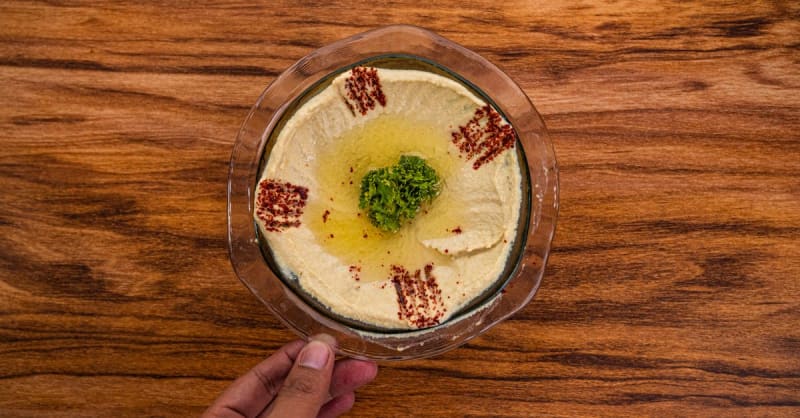
Hummus has a low gluten risk, but not every tub in the deli case is equally safe. The biggest issues show up in flavored versions, seasoning packets, and products that borrow ingredients from other snack foods.
I've seen trouble with chipotle hummus that uses spice blends, because some seasoning mixes include barley malt or hidden wheat-based flavorings. Sabra roasted red pepper or garlic hummus may be fine when the label is clean, but a different batch or limited-edition flavor can change the ingredient list.
I've also had clients get tripped up by products like hummus snack packs that come with pretzel sticks, pita chips, or coated crackers right in the same box.
Another common problem is pre-seasoned restaurant kits or Mediterranean mezze platters where the hummus itself is fine, but the toppings are not. Think pita crumbs, falafel dusted with wheat flour, or spice blends that include malt vinegar powder. If you’re shopping for Hummus gluten free options, read the full label and check the allergen statement for wheat before you buy.
Celiac Disease Safety
Safe for celiac disease? For plain Hummus, yes. For packaged or restaurant versions, that answer depends on the label. In restaurants, hummus is often served as part of a mezze plate, spread with pita, or topped with breadcrumbs, so the dish can be perfectly fine in theory but risky in practice. Can people with celiac disease eat Hummus?
They usually can, but the details matter more than the recipe when you're dining out.
About 1 in 133 Americans has celiac disease, roughly 1% of the population, so this question comes up for a lot of families.
I tell people to ask whether the hummus is made in house, whether a dedicated spoon is used, and whether the kitchen keeps it away from pita bread and flour dust. Celiac Disease Foundation also advises people with celiac disease to think about both ingredients and preparation, not just the base food.
The single biggest difference is choosing a certified gluten-free tub or asking for a sealed, labeled product when you eat out. Certified gluten-free Hummus is the easiest route when safety really matters.
Cross-Contamination Risk
Even naturally gluten-free Hummus can pick up traces of gluten long before it lands in your pantry. That risk is usually low, but it rises with flavored tubs, seasoning packets, coated varieties, and hummus kits that include crackers or pita chips in the same package.
I've noticed the highest cross contamination exposure in products with shared mix-in spoons, topping cups, or restaurant-style garnish packs, because one contaminated component can affect the whole container.
This is where the label matters most, especially for products marketed as roasted garlic, jalapeño, everything bagel, or Mediterranean spice. Those versions may use shared equipment or blended seasonings that aren't as simple as plain chickpea dip.
Beyond Celiac Beyond Celiac often reminds people that gluten can show up in surprising places when a food is processed with other grains. That's why I tell people to look for a certified gluten-free seal on the tub whenever possible, since certification adds an extra layer of testing and handling control.
At a restaurant, ask whether the hummus is scooped from a separate container with a clean spoon, and whether it shares prep surfaces with pita or bread. If the staff can't answer clearly, it's okay to skip it and choose a safer side.
What Is It?
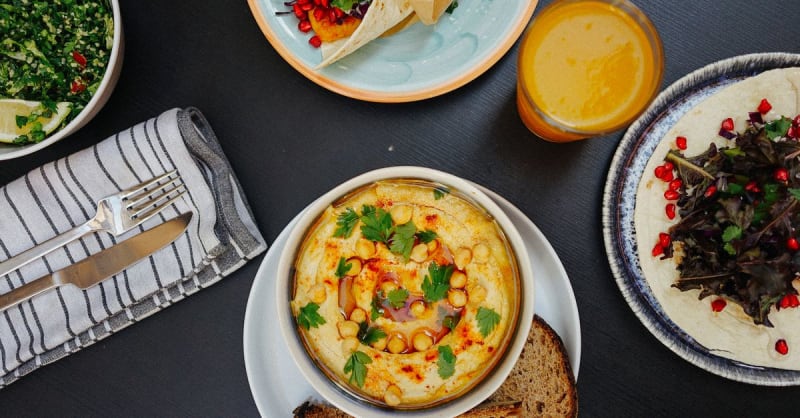
In American kitchens, hummus has gone from a niche Mediterranean dip to a regular fridge staple for lunchboxes, party trays, and quick weeknight snacks. It started as a Middle Eastern food made from chickpeas, tahini, lemon, garlic, and olive oil, and now you’ll see it in everything from grocery deli cases to restaurant appetizer spreads.
I’ve found that people often reach for it because it works so well with vegetables, crackers, sandwiches, and grain bowls. We often recommend it to clients who want more fiber and plant-based protein without a lot of prep.
Well-known US brands include Sabra, Tribe, Cedar's, and Hope Foods, and many offer plain and flavored tubs. Nutritionally, hummus can be a solid choice because it brings protein, fiber, and healthy fats in a small serving. That combination helps it fit vegan, vegetarian, and gluten-free eating patterns with very little effort.
The catch is that the safest version is usually the simplest one, especially if you’re eating away from home.
Is It Naturally Gluten-Free?
Most whole foods don't carry gluten proteins - and Hummus falls firmly in that category. Chickpeas are a legume, not a grain, so they don't have the gluten protein structure found in wheat, barley, or rye, which is why plain hummus starts out as a gluten-free food before any extras are added.
Here's the thing: the gluten risk doesn't come from the chickpeas themselves, it comes from what gets mixed in later, especially seasoning blends, add-ins, and factory handling. If a tub is labeled properly, FDA gluten-free labeling rules says it has to meet the federal standard, and under FDA rules, any product carrying a gluten-free label must test below 20 ppm of gluten.
That makes plain, labeled hummus a pretty straightforward option for most shoppers. So, yes, Hummus is gluten free when it's plain and made with standard ingredients.
Who Should Avoid It?
People who need strict gluten avoidance should be cautious with flavored tubs, restaurant servings, and anything that comes with pita or pretzels. Hummus gluten free choices are usually easy to find, but the wrong add-ins can turn a safe dip into a risky one. If you have celiac disease, a label you can trust matters more than a menu description.
- Skip or double-check products with seasoning packets, crunchy toppings, or mixed snack kits that include bread-based sides.
- Avoid restaurant hummus if the server can't confirm a clean spoon, separate container, or prep area.
- Choose a different dip if the ingredient list includes wheat, barley malt, or a vague spice blend you can't verify.
Bottom Line — Is Hummus Gluten Free?
Plain Hummus is safe. That's the short version. If you’re eating at a friend’s house or ordering out, the biggest question is how the dip was made and served, not whether chickpeas themselves contain gluten. Hummus gluten free labels, especially certified ones, make life easier when you want less guesswork and more confidence.
For a concrete starting point, try a certified option like Hope Foods or another sealed plain tub from a brand you already trust. I know that kind of simple swap can make a big difference, and we like that kind of peace of mind.
Editorial Process
This article was written and reviewed by the Gluveto Editorial Team for factual accuracy, gluten-free safety, and alignment with current FDA labeling guidance.
We reference trusted organisations including the Celiac Disease Foundation and the FDA when evaluating foods and ingredients.
