
Is Miso Gluten Free?

Quick Answer
Is Miso Gluten Free?
Is Miso gluten free? Sometimes, but not always, because some versions include barley or other gluten-containing ingredients. Gluten-free Miso can still be risky if it’s made in shared facilities. Look for certified gluten-free Miso and read the ingredient list closely.
A clear answer can take some of the pressure off your first gluten-free Thanksgiving, especially when the menu has a few mystery ingredients. If you’re living with celiac disease or gluten sensitivity, you’ve probably already learned that wellness trends can make ordinary foods sound safer than they are.
Miso is one of those foods that looks simple on the surface, but the label can tell a very different story. And yes, can you eat Miso on a gluten-free diet without second-guessing every spoonful? Sometimes you can.
I’ve answered this question enough times to know exactly where the confusion starts, especially when people ask whether can people with celiac disease eat Miso and assume every tub is the same.
Also Read
Celiac Disease Safety
Celiac disease doesn't automatically put Miso off the table. Plain versions are a different matter from processed ones.
Roughly 1% of the US population lives with celiac disease, so this comes up more often than many people expect, especially when restaurant servers describe Miso as just a Japanese soup base. Celiac Disease Foundation has solid guidance on how to read ingredient lists and ask the right questions.
At American restaurants, Miso usually shows up in miso soup, glazes, salad dressings, or marinade components, and that’s where the celiac risk rises. You’ll want to ask whether the broth is made with wheat-based soy sauce, whether the miso paste is barley miso, and whether the kitchen uses the same ladle or pot for ramen and other noodle dishes.
If the server isn’t sure, ask them to check the package or ingredient binder. I’ve seen plenty of places assume miso soup is safe just because the soup itself looks simple.
For celiac-safe eating, the best choice is a clearly labeled gluten-free version served in a kitchen that understands cross contact. Avoid the riskiest product type: instant miso soup packets and restaurant miso soups with unclear broth bases.
What Is It?
Miso shows up in a lot of American kitchens now, from weeknight soups to salad dressings and marinades. It’s a fermented soybean paste from Japanese cuisine, and the flavor can range from mild and sweet to deep and salty.
White miso, red miso, and yellow miso are the most common styles you’ll see in US stores, and some brands also sell gluten-free Miso blends made with rice or other gluten-free grains.
In my experience, people are often surprised by how versatile it is. We often recommend it to readers who want more flavor in vegan or vegetarian cooking, since it brings a savory boost without needing meat. Nutritionally, it’s known for protein and fermentation-derived compounds, though the exact profile varies by brand and style.
A small spoonful can go a long way, so the sodium content matters too. If you’re reading labels for the first time, I’d focus on the ingredient list before the nutrition panel.
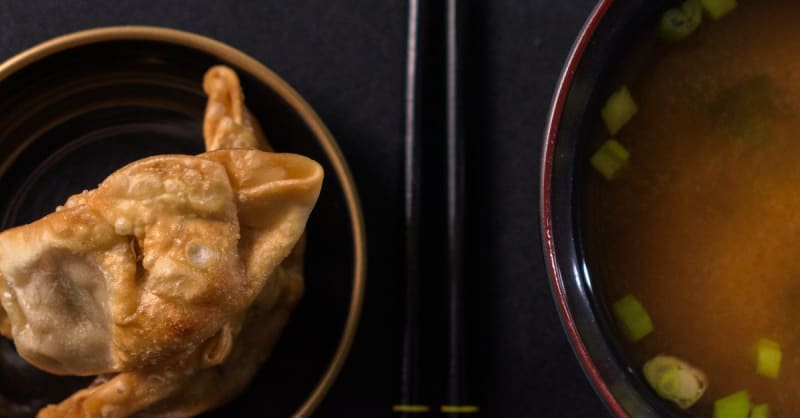
Common Gluten Risks
Miso has a medium risk of gluten, and the biggest issue is usually the recipe, not the idea of Miso itself. The tricky part is that some products are built around gluten-containing grains or flavor systems that don’t stand out unless you know what to look for.
Barley miso is the most obvious example, because barley brings gluten right into the product. You’ll also see some flavored miso pastes or soup bases that include soy sauce made with wheat, which means the finished product is no longer safe for a gluten-free diet.
I’ve also seen seasoning packets and instant soup mixes from brands like Marukome or Hikari use added flavoring that changes the status from one tub to the next.
Another common issue is ingredient language that sounds harmless but isn’t. If you see wheat, barley malt extract, or malt vinegar on a label, stop and reassess. I’ve reviewed enough of these packages to know that the safest move is to compare the ingredient list on every container, even if the front label looks reassuring.
If you’re shopping for Miso gluten free choices, the label has to prove it.
Cross-Contamination Risk
Most of the gluten risk in Miso comes not from the food itself, but from how it's processed and handled. Shared facilities can be a real problem when the same equipment also runs soy sauce, ramen seasoning, barley-based miso, or wheat-containing soup mixes. That creates cross contamination risk through mixers, filling lines, scoops, and even bulk storage areas.
Cross contamination can also happen when a company makes Miso alongside products that use wheat flour, barley malt, or seasoning packets with hydrolyzed wheat protein. That matters because Miso is often sold as a paste or soup base, which means a tiny amount of gluten can spread through the whole container.
I always tell readers to look for a certified gluten-free logo when the brand offers one, because that extra step can lower the odds of cross contamination. Beyond Celiac has helpful background on why this matters so much for celiac disease.
If you want the safest store strategy, I’d start with a major grocery chain that clearly separates gluten-free products on shelf tags, like Whole Foods or Sprouts, and then confirm the certification. For this category, certified gluten-free Miso is the label I trust most.
How to Eat It Safely
Try it in a Thanksgiving side dish by whisking gluten-free Miso into roasted carrots or mashed sweet potatoes. The savory note balances sweetness, and it keeps the dish interesting without adding wheat-based ingredients.
- Use gluten-free Miso in weeknight dinners as a marinade for salmon, tofu, or chicken. I like to mix it with rice vinegar, sesame oil, and a little maple syrup for fast flavor.
- Stir it into lunchboxes by making a simple dip for cucumbers or bell peppers. A small container of miso dressing can make leftovers feel less repetitive.
- Build meal prep Sundays around a jar of gluten-free Miso so you can use it in soups, grain bowls, and sauces all week. One ingredient can cover a lot of ground when you’re tired of cooking from scratch.
- We like to whisk it into backyard BBQ sauces for grilled vegetables or ribs. Just make sure the bottle is labeled gluten free if you’re serving someone with celiac disease.
- Add it to a quick noodle bowl using rice noodles, broth, and vegetables. If you’re shopping for gluten-free Miso brands, keep the jar in the fridge and use clean utensils each time.
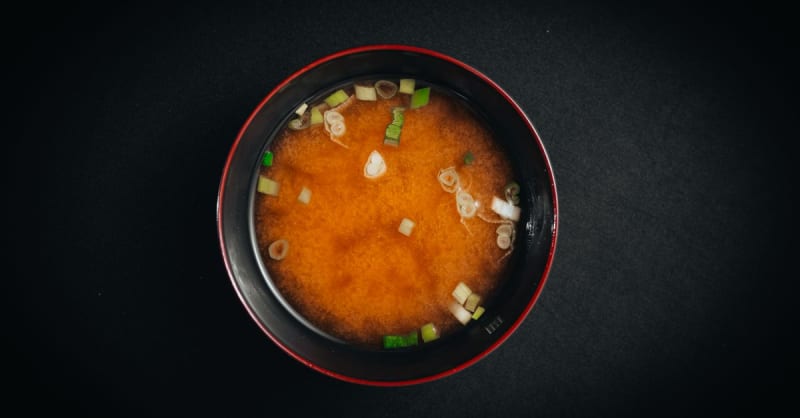
Is It Naturally Gluten-Free?
At the ingredient level, Miso and gluten have nothing to do with each other. That’s why plain versions can look confusing on the shelf, since a naturally gluten-free food doesn’t always say gluten free on the package, especially if the company hasn’t paid for the claim or doesn’t market to gluten-free shoppers.
To carry a gluten-free label in the US, a product must contain fewer than 20 ppm of gluten per FDA standards, FDA gluten-free labeling rules and that rule helps explain why some safe foods still don’t wear the label.
I've noticed this matters most for shoppers who are trying to simplify Thanksgiving planning. A tub of plain soy-based paste may be safe even without a big front-of-package claim, but the buyer still has to read the ingredient list and check for barley or wheat. I've found that the label gap is where a lot of stress starts, because people assume no claim means no safety. That isn’t always true.
Good news. If the ingredients are just soybeans, salt, rice, and koji made from a gluten-free source, the product can fit a gluten-free diet. The key question is not whether Miso contains gluten by nature, but whether the specific jar or tub was made with safe ingredients and labeled clearly. So, is Miso gluten free?
Plain versions can be, and Miso gluten free options are common enough that careful label reading usually pays off.
Health Benefits
Gut support: Fermented Miso can contribute probiotics when the product is unpasteurized or minimally processed. That may support a healthier gut microbiome, which is one reason people reach for it in soups and marinades.
- Protein boost: Miso adds some protein to vegetarian meals, especially when paired with tofu, rice, or vegetables. The exact amount varies by style, but it can help round out a light meal.
- Flavor depth: A spoonful of gluten-free Miso can make low-sodium cooking taste richer without relying on heavy sauces. I’ve seen this help readers cut back on extra salt while still enjoying dinner.
- Immune support: Because Miso is fermented, it may offer compounds that support immune function. The research is still evolving, so I frame this as a possible benefit rather than a promise.
- Vegan-friendly option: Miso works well in plant-based cooking, which makes it useful for readers who are balancing celiac disease with vegetarian or vegan eating. It can replace some of the savory notes people miss after going gluten free.
- Versatile pantry staple: White miso, red miso, and yellow miso can all be used differently, so one tub can stretch across several meals. That makes it practical for meal prep Sundays and quick weeknight dinners.
- Warming comfort: Miso soup can be soothing during cold-weather meals and holiday weeks. When you choose a gluten-free Miso, it can fit into a gentler eating routine without sacrificing taste.
Who Should Avoid It?
People with gluten sensitivity or celiac disease should be cautious with Miso unless the label clearly shows it’s safe. The biggest concern is barley miso, soy sauce-based seasoning, or products made in shared facilities. If you’re doing holiday hosting, this is one ingredient where guessing can backfire. I’ve seen readers do well when they treat every new jar as a fresh label-reading job rather than assuming all Miso is the same.
- Gluten-sensitive individuals who react to trace exposure may want to skip restaurant Miso unless staff can confirm the broth and paste source.
- Anyone buying instant soup packets should check whether the seasoning mix includes wheat, barley, or malt ingredients.
- Shoppers who prefer the safest option should choose certified gluten-free Miso when it’s available.
- People who are new to gluten-free eating may want to avoid bulk or open-deli versions, since cross contact is harder to verify.
Bottom Line — Is Miso Gluten Free?
Clarity on Miso gluten status matters and the answer is genuinely more reassuring than most expect. If you know what to look for, you can usually tell the difference between a safe tub and one that belongs on the avoid list. The label may not always be obvious, but the ingredient panel usually gives you enough to make a smart call.
That’s especially helpful during Thanksgiving, when one wrong choice can ripple through the whole meal. I always recommend choosing the version that spells out gluten free or certified gluten free when you’re cooking for someone with celiac disease, because peace of mind is part of the recipe too.
Editorial Process
This article was written and reviewed by the Gluveto Editorial Team for factual accuracy, gluten-free safety, and alignment with current FDA labeling guidance.
We reference trusted organisations including the Celiac Disease Foundation and the FDA when evaluating foods and ingredients.


