
Is Olive Oil Gluten Free?

Quick Answer
Is Olive Oil Gluten Free?
Is Olive Oil gluten free? Yes, plain olive oil is naturally gluten free. Olive Oil and gluten usually only become a concern with flavored blends or shared handling. Certified gluten-free Olive Oil can make shopping easier.
A clear answer here can save you from a lot of second-guessing, especially if meals have been leaving you bloated, nauseated, or just plain wiped out. Is Olive Oil gluten free? For people with celiac disease, gluten sensitivity, or anyone trying to sort through wellness trends that make simple foods sound complicated, the reassuring answer is yes in its plain form.
I've seen how often this question comes up after a bad reaction to a meal that seemed safe, and it makes sense. We’ve tested and researched this category extensively over the years. If you’ve ever wondered is Olive Oil safe for a gluten-free diet, the short version is that the oil itself isn’t the problem, but a few label and handling details can still matter.
Cross-Contamination Risk
The gluten risk in Olive Oil isn't about the ingredient -- it's about what happens before it reaches your kitchen. Cross contamination is most likely in open food bars, store deli counters, and any setup where a shared ladle or spoon gets used for multiple items.
Bulk bins are less common for olive oil itself, but open display dispensers and communal tasting stations can still create cross contamination if people dip bread or reuse utensils. That matters more for flavored oils and infused oils than for sealed bottles.
In my experience, the biggest retail risk is a deli or specialty olive bar where the same spout, funnel, or sample cup gets touched over and over. Beyond Celiac has long emphasized how shared prep tools can create hidden exposure even in foods that look naturally safe.
If you want the safest option, buy sealed bottles from a mainstream grocery store or a store with tight shelf rotation like Whole Foods, then look for certified gluten-free Olive Oil brands or a certified gluten-free logo on the label. That extra step helps cut through cross contamination worries fast.
Common Gluten Risks
Olive Oil itself has a low gluten risk, but the trouble usually shows up in flavored products and mixed kitchen items. If you’re comparing gluten-free Olive Oil brands, the label matters more than the base ingredient because the oil is usually fine while the add-ins are not.
A few real examples help here. Bertolli Garlic Olive Oil or similar flavored blends can be fine, but seasoning packets or natural flavors may complicate the picture. McCormick Garlic and Herb seasoning mixed into oil at home is a different situation than plain oil from the bottle.
And if you buy a pre-made vinaigrette or dipping oil from a grocery deli, ingredients like malt vinegar, soy sauce, or wheat-based spice blends can show up even when the front label looks innocent. Does Olive Oil have gluten? Not in its plain form, but flavored or mixed versions can bring in risky ingredients.
The practical move is simple: scan the ingredient list for wheat, barley, rye, malt, or vague seasoning blends before you buy.
How to Eat It Safely
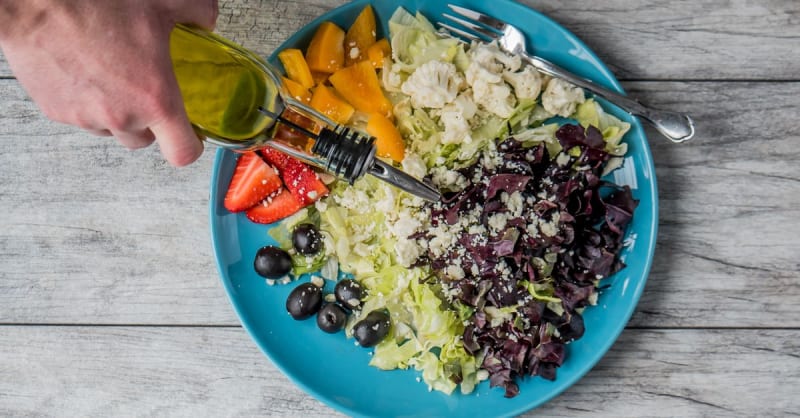
Weeknight dinners: Drizzle gluten-free Olive Oil over roasted salmon, chicken, or chickpeas right before serving. It adds flavor fast, and you don’t need a separate sauce if your pantry is already stretched thin.
- Meal prep Sundays: Stir olive oil into a simple lemon vinaigrette for grain bowls and lunch salads. I love how one jar can carry three or four meals without making the prep feel repetitive.
- Thanksgiving sides: Toss green beans, carrots, or Brussels sprouts with olive oil before roasting. It gives you a reliable gluten-free base when other holiday dishes are full of breadcrumbs or gravy.
- Lunchboxes: Pack a small container of olive oil with vinegar for a salad kit at work or school. That way you’re not stuck with mystery dressings that may contain malt vinegar or wheat-based additives.
- Backyard BBQs: Brush gluten-free Olive Oil on corn, zucchini, or shrimp before grilling. We like to keep a bottle near the grill so nobody has to guess which sauce is safe.
- Simple breakfast: Use olive oil to cook eggs or sauté spinach when you want a savory start. It’s an easy swap if butter bothers your stomach or you’re cooking for mixed dietary needs.
- Mediterranean bowls: Build a bowl with rice, cucumbers, tomatoes, olives, and a spoonful of gluten-free Olive Oil. It’s a quick way to make a filling meal without relying on packaged gluten-free products.
Is It Naturally Gluten-Free?
Gluten-free by nature, not by processing. That's what Olive Oil is. Wheat, barley, and rye can bring gluten because they contain storage proteins that form a gluten network when mixed and hydrated, but olive oil is pure fat from pressed olives, so it doesn’t have that protein structure at all.
That difference is why plain oil behaves nothing like bread dough or pasta. FDA gluten-free labeling rules To carry a gluten-free label in the US, a product must contain fewer than 20 ppm of gluten per FDA standards, and many bottles of olive oil meet that bar easily.
We often recommend reading olive oil the same way you’d read any simple pantry staple: check the ingredient list, then move on.
We've tested and researched this category extensively over the years, and the reason it still trips people up in gluten-free communities is that people assume anything Mediterranean or restaurant-made must be complicated, even when the oil itself is straightforward.
What Is It?
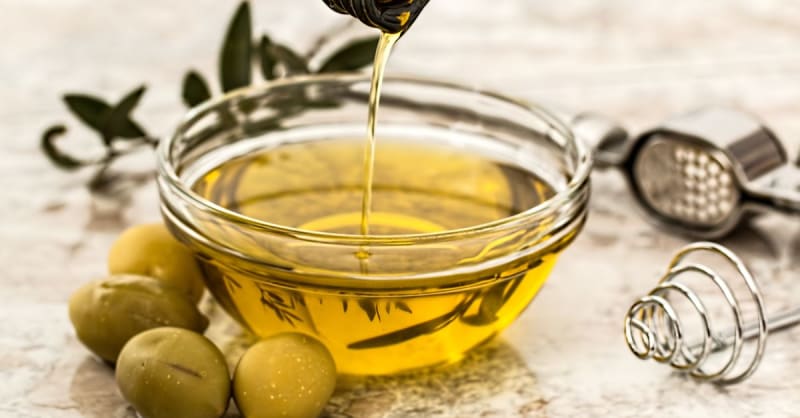
Olive oil has earned a permanent spot in American kitchens because it’s simple, versatile, and easy to use on a weeknight. You’ll see it in salad dressings, roasted vegetables, marinades, and quick pan sauces, and some families keep one bottle for cooking and another for finishing dishes.
In the US, common brands like Bertolli, California Olive Ranch, Filippo Berio, and Colavita show up in grocery aisles all the time.
From a nutrition standpoint, olive oil is mostly monounsaturated fat, with a little vitamin E mixed in. That fat profile is one reason people reach for it when they want a flavorful oil that fits heart-conscious eating patterns. I've found that readers often feel more confident choosing olive oil once they realize it’s not a grain, starch, or flour-based ingredient.
It comes from pressed olives, which helps explain why it behaves very differently from the foods that usually trigger gluten worries.
Health Benefits
Heart support: Olive oil is rich in monounsaturated fat, which can fit well into a heart-conscious eating pattern. Extra virgin versions are often used in Mediterranean-style meals that emphasize vegetables, beans, and fish.
- Antioxidant intake: Extra virgin olive oil contains vitamin E and plant compounds that may help protect cells from oxidative stress. That’s one reason people often choose it over more refined cooking fats.
- Inflammation support: Many people use olive oil because it can be part of an anti-inflammatory eating pattern. It’s not a medicine, but it can support a balanced, nutrient-dense diet.
- Satiety help: A little olive oil can make vegetables, grains, and proteins more satisfying. That can help meals feel complete without needing a lot of added ingredients.
- Flavor boost: Olive oil adds richness without gluten-containing thickeners or breading. We like using gluten-free Olive Oil to make simple meals taste finished fast.
- Versatile cooking fat: It works in dressings, sautéing, roasting, and marinades. That flexibility makes it easy to keep gluten-free meals interesting through the week.
- Mediterranean diet fit: Olive oil is a staple in Mediterranean cuisine, which is often linked to better overall eating patterns. It pairs naturally with produce, legumes, and lean proteins.
Celiac Disease Safety
If you have celiac disease and you're standing in the Olive Oil aisle, here's your decision tree. Can people with celiac disease eat Olive Oil? Yes, as long as you’re choosing plain, sealed oil or a product with a trustworthy gluten-free label.
About 1 in 133 Americans has celiac disease, roughly 1% of the population, so this question comes up a lot in real shopping trips, not just online searches. Celiac Disease Foundation recommends focusing on products that clearly state gluten-free status or carry a recognized certification, especially when a food can be flavored or packaged in a shared facility.
For olive oil, the safest path is usually a bottle that says gluten free or shows a certified gluten-free seal from the Gluten-Free Certification Organization, the GFCO logo. Olive Oil safe for celiac disease is less about the oil itself and more about avoiding uncertainty.
If you want the biggest safety boost, choose certified gluten-free Olive Oil and keep an eye out for plain ingredient lists with no added flavors.
Who Should Avoid It?
Olive oil itself doesn’t need to be avoided for gluten reasons, but a few people should still be careful with flavored blends, restaurant oils, or products with unclear labeling. If you’re highly sensitive, have celiac disease, or react to tiny exposures, the issue is usually not the oil but the way it’s packaged or served. That’s why a bottle marked gluten free can feel a lot more reassuring than a generic blend sitting open near bread crumbs.
- People who react to garlic, chili, or herb infusions should watch flavored olive oils closely.
- Anyone eating at a deli counter should ask whether the oil was poured from a shared dispenser.
- Shoppers who want the lowest-risk option should choose sealed bottles with a gluten-free claim.
- If a label lists spice blends or natural flavors, it’s worth a second look.
Bottom Line — Is Olive Oil Gluten Free?
Clarity on Olive Oil gluten status matters -- and the answer is genuinely more reassuring than most expect. For plain bottles, the verdict is simple, and that can take a lot of pressure off meals when you’re already dealing with celiac disease or gluten sensitivity.
The main thing to remember is that gluten-free Olive Oil is usually safe, while flavored versions and shared serving setups deserve a closer look. If you’re shopping fast, choose sealed bottles and a clear gluten-free claim when you can. I always tell people that a little label confidence goes a long way when your stomach has already been through enough.
Editorial Process
This article was written and reviewed by the Gluveto Editorial Team for factual accuracy, gluten-free safety, and alignment with current FDA labeling guidance.
We reference trusted organisations including the Celiac Disease Foundation and the FDA when evaluating foods and ingredients.