
Is Panko Gluten Free?

Quick Answer
Is Panko Gluten Free?
Is Panko gluten free? No, traditional panko is not gluten free. Gluten-free Panko brands can work if the package is labeled or certified for celiac needs. Look for certified gluten-free Panko and read every ingredient panel.
A crispy chicken cutlet or baked tofu can feel like a small victory on a weeknight, especially when you’re trying to keep dinner familiar after a gluten-free diagnosis. Is Panko gluten free? That question comes up a lot because the coating looks so simple, yet the answer changes depending on the package and the brand.
Can you eat Panko on a gluten-free diet and still keep the crunch? Sometimes, yes, but only with the right product and label check. In my experience helping people navigate gluten-free eating, the label confusion on this one is real. And if you’re asking whether can people with celiac disease eat Panko, the answer needs a little more care than a quick yes or no.
Wellness trends have made breading substitutes feel trendy, but for gluten sensitivity and celiac disease, the details still matter.
Also Read
Cross-Contamination Risk
Certified gluten-free matters most with Panko for one specific reason: contamination can happen before the package is sealed. Panko is often processed in facilities that also handle wheat flour, regular breadcrumbs, seasoned coating mixes, and battered foods like onion rings or chicken tenders. That shared equipment can create cross contamination even when the ingredient list looks short.
Certified gluten-free matters most with Panko for one specific reason: contamination can happen before the package is sealed. I’ve noticed that people assume a breadcrumb product is low risk because it seems dry and simple, but cross contamination can happen in mills, on conveyor belts, and during packing.
Beyond Celiac has good background on why shared production lines matter for people with gluten-related disorders, and it’s the kind of detail that can save a lot of guesswork. In my experience, certified gluten-free is the label that gives the most peace of mind here.
If you’re ordering at a restaurant, ask whether the Panko coating is kept separate from wheat flour breading and whether the fryer is shared with breaded items.
Health Benefits
Adds crunch: Panko gives baked and fried foods a crisp texture without needing a heavy batter. That can make vegetables, chicken, or fish feel more satisfying with less coating.
- Light texture: Because the crumbs are airy, gluten-free Panko can create a lighter crust than dense standard breadcrumbs. I've noticed home cooks like that for oven-baked recipes.
- Low calorie filler: Panko is usually low in calories, so it can help stretch a coating without adding much energy. The tradeoff is that it’s mostly carbs, not protein.
- Easy swap: Gluten-free Panko can replace regular breadcrumbs in many recipes 1:1. That makes it a practical pantry item for people who miss fried textures.
- Versatile coating: It works well on cutlets, casseroles, and stuffed mushrooms. We often recommend it for cooks who want a familiar restaurant-style finish at home.
- Texture control: You can toast it first for extra crunch or use it straight from the bag. That flexibility is useful when a recipe needs more browning.
- Meal appeal: A crispy topping often helps picky eaters accept baked foods. That can be a small win on busy nights when everyone wants something familiar.
Common Gluten Risks
Panko has a medium gluten risk because the classic product is built from wheat-based bread crumbs, and the danger is often hidden in the exact recipe. A package of Kikkoman Panko, for example, is a traditional version that can contain wheat, while Ian's Gluten-Free Panko is made for shoppers avoiding gluten. That contrast is why the front of the bag matters so much.
Another risk shows up in flavored or seasoned versions. Garlic panko, tempura-style breading mixes, and restaurant breading blends can include wheat flour, barley malt extract, or modified food starch that isn't clearly sourced. I’ve also seen people get tripped up by bulk-style or house breading mixes at delis and grocery hot bars.
If you’re comparing gluten-free Panko brands, check the ingredient list for wheat, barley, rye, and any ambiguous starches before you buy.
What Is It?
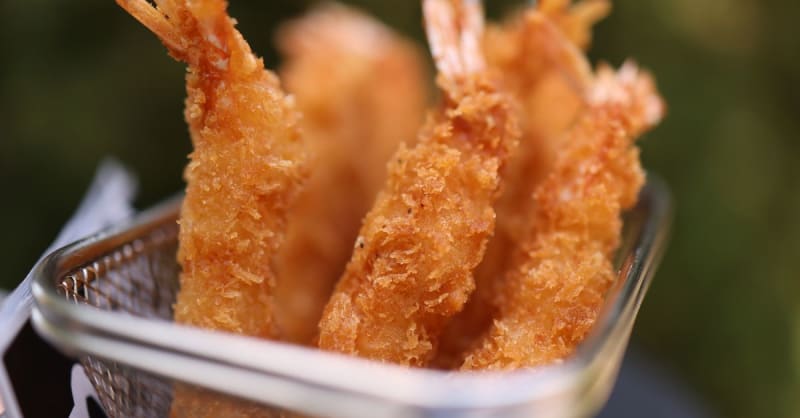
In American kitchens, panko shows up anywhere cooks want a lighter, crunchier coating than standard breadcrumbs can give. It’s especially popular for chicken cutlets, shrimp, baked casseroles, meatballs, and air-fryer recipes that need browning without a heavy crust. You’ll also see it in restaurant-style fried foods because it stays crisp well.
The texture is the big clue. Panko crumbs are usually flakier and drier than regular breadcrumbs, which helps them brown fast and hold onto oil or egg wash differently. I’ve found that home cooks often reach for it when they want a more delicate crunch on baked fish or vegetables.
Common U.S. brands include Kikkoman Panko and Ian's Gluten-Free Panko, and some store brands carry both traditional and gluten-free versions. Nutritionally, it’s usually low in calories but higher in carbs, so it’s more of a texture ingredient than a nutrient-dense staple.
Celiac Disease Safety
The short answer for celiac disease and Panko: avoid it entirely. Here's the full explanation, and what to use instead. Can people with celiac disease eat Panko? Only if it’s a verified gluten-free product, and even then the safest choice is a package with a clear certified gluten-free seal.
The Celiac Disease Foundation Celiac Disease Foundation explains why certification matters, because celiac disease is more common than most people realize, affecting about 1 in 100 Americans, and tiny amounts can still cause harm.
For buying, look for a certified gluten-free logo from a recognized third-party program, or at minimum a package that states gluten-free and meets FDA standards. I’d still steer people with celiac disease toward certified gluten-free Panko rather than a vague gluten-free claim, especially if the product is made in a shared facility.
Panko safe for celiac disease only applies when the label is specific and the brand is transparent. At the store or restaurant, ask, "Is this Panko certified gluten-free, and is it prepared away from wheat breading?"
Who Should Avoid It?
People with celiac disease should skip traditional panko, and anyone with a wheat allergy should be careful too. Even when a recipe sounds simple, the breadcrumb coating is often the part that carries the gluten risk. If you’re buying a packaged version, the safest path is a clearly labeled gluten-free product with a certification mark. That said, some people with non-celiac gluten sensitivity may tolerate certified gluten-free Panko, but only if the rest of the recipe is also safe.
- Those avoiding wheat: Traditional panko usually starts with wheat flour, so it’s not a good fit if you need to avoid wheat specifically.
- Shoppers at restaurants: Ask whether the coating mix contains wheat flour or regular breadcrumbs, because both show up in house breading blends.
- Families cooking for celiac disease: Keep a separate container of certified gluten-free breadcrumbs or panko so your prep area stays clean.
- People with multiple food allergies: Check for egg, milk, or soy in specialty panko products, since some brands add extras besides gluten.
How to Eat It Safely
Weeknight dinners: Use gluten-free Panko as a coating for baked chicken cutlets, salmon, or tofu. A thin egg wash and a hot oven usually give the best crunch without deep frying.
- Thanksgiving sides: Stir it with melted butter or olive oil for a topping on green bean casserole or baked mac and cheese. If you need the dish to stay gluten free, make sure every other ingredient in the casserole does too.
- Lunchboxes: Try it on oven-baked chicken nuggets or veggie patties so leftovers stay crisp after reheating. I love using a small amount of gluten-free Panko for a texture upgrade that doesn’t feel fussy.
- Meal prep Sundays: Make a batch of breaded zucchini rounds or eggplant slices and freeze them before baking. That way you’ve got a quick side or sandwich layer ready when the week gets busy.
- Backyard BBQs: Use it on grilled shrimp or stuffed jalapeños for a crunchy finish that feels special. We like to pair it with a simple dip so the coating stays the star.
- Simple swaps: Reach for gluten-free Panko brands when you’re recreating fried favorites like chicken parmesan or onion-style toppings. The key is to keep the coating station separate from regular breadcrumbs and flour.
Is It Naturally Gluten-Free?
Gluten comes from wheat, barley, and rye. Panko belongs in that group.
The processing matters because traditional panko is usually made from bread, not just crushed grains, so the flour source and baking step are what make it a gluten issue rather than the breadcrumb shape itself. FDA gluten-free labeling rules sets the gluten-free bar at under 20 ppm, a standard established to protect people with celiac disease, so a package has to meet that threshold if it wants the claim.
That means the question is not just what panko looks like, but what it was made from and how it was handled. In my experience helping people navigate gluten-free eating, the label confusion on this one is real. We often recommend reading beyond the front label, because Panko and gluten can be easy to miss when the package looks plain.
That’s one reason this ingredient trips people up in gluten-free communities even though the texture itself is so familiar.
Bottom Line — Is Panko Gluten Free?
Panko contains gluten. That's the short version, and it's the one that matters most. If you’re cooking for yourself or someone with celiac disease, the safest path is to treat traditional panko like any other wheat breadcrumb and choose a verified gluten-free swap instead. In my kitchen, I’d rather spend a minute reading the label than lose the whole meal to a gluten mistake.
If you want a concrete place to start, Ian's Gluten-Free Panko is a solid option to look for at the store. We can keep the crunch and skip the stress.
Editorial Process
This article was written and reviewed by the Gluveto Editorial Team for factual accuracy, gluten-free safety, and alignment with current FDA labeling guidance.
We reference trusted organisations including the Celiac Disease Foundation and the FDA when evaluating foods and ingredients.
