
Is Peanut Butter Gluten Free? What You Need to Know

Quick Answer
Is Peanut Butter Gluten Free?
Is Peanut Butter gluten free? Yes, plain Peanut Butter is naturally gluten free and safe for most people avoiding gluten. However, not every Peanut Butter gluten free option stays safe if processed with wheat or flavored with gluten-containing additives. Choose certified gluten-free Peanut Butter for maximum safety.
Peanut Butter comes up constantly in gluten-free forums, social feeds, and meal prep groups. Is Peanut Butter gluten free, or are some jars off-limits? This is a staple ingredient that's both comfort food and practical protein for many, so getting a clear answer matters more than you might think.
Whether you're prepping a week's worth of lunches, sorting out a new celiac disease diagnosis, or just trying to keep up with wellness trends, Peanut Butter and gluten pop up together often. People ask not just is Peanut Butter gluten free, but also is Peanut Butter safe for a gluten-free diet, especially if you have a medical reason to avoid contamination.
As someone who's gluten sensitive and has spent years swapping tips with celiac clients, I've noticed the confusion runs deep. Can people with celiac disease eat Peanut Butter confidently? Let's break down what you need to know about Peanut Butter and gluten.
Also Read
Celiac Disease Safety
For anyone following a strict celiac protocol, Peanut Butter in its whole, plain form is generally a safe bet.
Walking through the grocery store, you’ll find Peanut Butter in the spreads aisle, original and natural versions from Jif, Skippy, Smucker’s, and store brands are usually safe, but I always tell my gluten-free clients to skip anything with mix-ins or dessert flavors unless it’s labeled gluten-free.
The best practice is to flip the jar over: if it says 'certified gluten-free,' it’s even better, especially for celiac disease. Roughly 1% of the US population lives with celiac disease, and minimizing risk isn’t just a preference, it’s a medical need.
Some stores like Whole Foods, Sprouts Farmers Market, and Kroger carry their own gluten-free Peanut Butter brands, which can streamline shopping.
If you’re choosing between a generic jar and one with a GFCO (Gluten-Free Certification Organization) seal, I recommend the certified version every time, Peanut Butter celiac safe means you can spread it on with peace of mind. For additional reassurance, you can check brand information on the Celiac Disease Foundation site before shopping.
Making this certification part of your routine is the single biggest upgrade for gluten-free safety with Peanut Butter.
Health Benefits
Protein powerhouse: Each serving of gluten-free Peanut Butter delivers about 7-8 grams of plant-based protein, supporting muscle repair and sustained energy.
- Heart-healthy fats: The majority of fat in Peanut Butter is unsaturated, which research links to lower cholesterol and heart disease risk.
- Satiating snack: I've noticed Peanut Butter helps clients feel full longer, which can support appetite control during busy weeks.
- Rich in vitamins and minerals: Magnesium, vitamin E, and niacin are all found in Peanut Butter, contributing to metabolism and cell repair.
- Good for meal prep: As a Peanut Butter gluten free option, it stores well and can be used in both savory and sweet recipes.
- Blood sugar friendly: The combination of protein and healthy fat leads to slower sugar absorption, ideal for steady energy.
- Kid-friendly nutrition: Many American children get a protein boost from Peanut Butter, and it's a familiar, accepted texture.
What Is It?
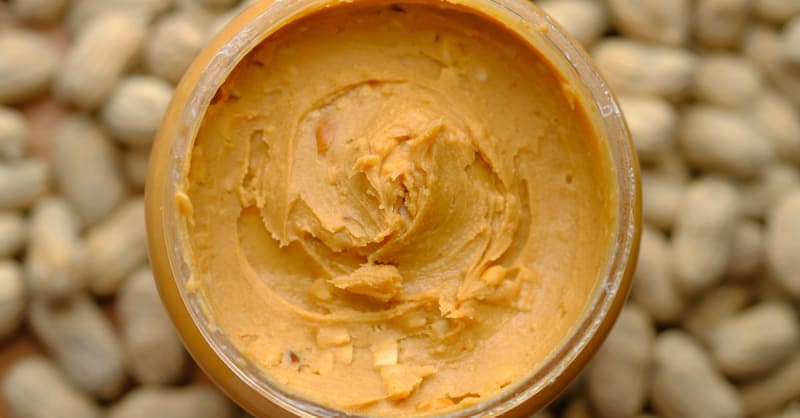
Creamy, salty, and shelf-stable, Peanut Butter is a classic in American kitchens. It's been slathered on sandwiches, served with celery, and swirled into desserts for generations. Brands like Jif, Skippy, and store-brand natural varieties line grocery shelves.
In my practice, we often recommend natural versions with minimal ingredients, just peanuts and salt, for people who want the purest option. Most jars deliver around 7-8 grams of protein per serving along with healthy mono- and polyunsaturated fats.
The typical Peanut Butter gluten free choice is naturally simple, but the market now includes countless flavored, whipped, and snack-pack versions. That means checking for crossovers with gluten-containing foods is more important than ever. Does Peanut Butter contain gluten in its basic form? Not naturally, but production methods can muddy the waters.
A good rule: The shorter the ingredient list, the better for gluten-free safety.
Also Read
Who Should Avoid It?
Not everyone should reach for Peanut Butter gluten free or not. Anyone with a peanut allergy must avoid it completely, as even trace exposure can be dangerous. Those with certain digestive conditions or nut sensitivities may also need to be cautious. And for people who must avoid cross contamination at all costs, even the smallest risk might outweigh the nutritional benefits or convenience.
- Anyone with a confirmed peanut allergy
- Individuals with certain tree nut sensitivities (check labels for cross-reactivity)
- Those managing eosinophilic esophagitis or food protein-induced enterocolitis syndrome
- People on medically necessary low-fat diets (Peanut Butter is calorie-dense)
How to Eat It Safely
Spread it on gluten-free bread for PB&J sandwiches that are safe for packed lunches or meal prep Sundays.
- We like to stir gluten-free Peanut Butter into oatmeal or yogurt bowls for extra creaminess and protein.
- Add a dollop to smoothies, I've found it makes post-workout shakes more satisfying and helps keep me full until dinner.
- Use as a dip for apple slices, carrot sticks, or gluten-free pretzels, great for snack boards or after-school snacks.
- Swirl into gluten-free baked goods, like brownies or cookies, for rich flavor without cross contamination.
- Choose from gluten-free Peanut Butter brands at stores like Trader Joe's or Walmart, they often stock certified options for safe meal planning.
- Try making your own Peanut Butter sauce for satay or stir-fry nights, it’s easy, quick, and you control every ingredient.
Common Gluten Risks
Peanut Butter itself rarely contains gluten, but not all Peanut Butter gluten free products are equal. The biggest risk comes from flavored or mix-in varieties, which can introduce gluten via add-ins like cookie bits, malt flavor, or wheat-based fillers.
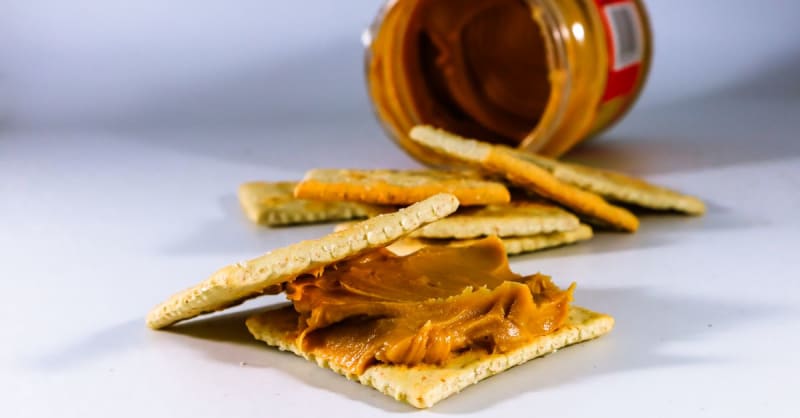
I've seen some 'dessert' Peanut Butters with cookie pieces or pretzel swirls, and these are rarely Peanut Butter gluten-free options, wheat flour is often right on the label. Another scenario: single-serve Peanut Butter packs at delis or sandwich shops, where the spread is scooped near bread, crackers, or crumbs.
Even some bulk-section Peanut Butters are dispensed from machines previously filled with nut spreads containing barley malt or other gluten sources. If you're buying Peanut Butter gluten-free options for the week, check for these keywords: wheat, barley, rye, malt, or 'crumbs', especially in flavored products.
Always scan the ingredient list, even if the front says 'natural' or 'original.' When in doubt at a restaurant, ask if the Peanut Butter is scooped from a shared tub to avoid a cross contact risk.
Is It Naturally Gluten-Free?
Peanut Butter's gluten-free status isn't a marketing claim - it's a fact about its composition. By definition, plain Peanut Butter contains no wheat, barley, or rye, and the core ingredients, peanuts and sometimes salt or oil, do not introduce gluten.
The FDA's gluten-free threshold is 20 ppm, the level considered safe for most people with celiac disease, FDA gluten-free labeling rules and most major brands meet this bar with their original, unflavored jars. For people searching is Peanut Butter gluten free, the reality is that pure, natural options are almost always safe. Still, does Peanut Butter have gluten?
Not in its natural state, but risks do appear with some flavored or add-in types, and occasionally from manufacturing practices. That's why I advise meal preppers to choose certified gluten-free Peanut Butter or brands that publicly test for gluten and share results.
Not all Peanut Butter and gluten situations are the same: avoid anything labeled 'pretzel', 'cookies & cream', or other bakery-inspired flavors. Those are the Peanut Butter forms most likely to include gluten ingredients and are worth extra scrutiny.
Cross-Contamination Risk
The gluten risk in Peanut Butter isn't about the ingredient - it's about what happens before it reaches your kitchen. Facility cross contamination is the real issue, many Peanut Butter brands are processed in plants that also handle wheat-based crackers, cookies, or pretzels.
If you’ve ever seen a co-packaged snack with both Peanut Butter and pretzel sticks, you can see how the lines may blur. I've also noticed that some seasonal flavors roll off the same line as cookie spreads. At home, dipping a knife from bread to jar introduces crumbs, and restaurants may use communal tubs for both gluten and gluten-free orders.
While the odds of cross contamination are low compared to many processed foods, the risk for people with celiac disease is never zero. For maximum safety when shopping, look for certified gluten-free Peanut Butter brands, they’re held to higher standards for cross contamination Beyond Celiac.
And when using Peanut Butter and gluten avoidance is a must, consider buying single-serve packs that are sealed at the factory, or reserving a dedicated jar for gluten-free use only.
Bottom Line — Is Peanut Butter Gluten Free?
Plain Peanut Butter is safe. That's the short version. If you choose natural or certified gluten-free jars, avoid bakery-flavored types, and keep cross contamination in mind, you can enjoy Peanut Butter gluten free whether you have celiac disease or just want to prep safe meals.
You’re now equipped to pick a jar with confidence, a skill I wish more shoppers had when grocery aisles get overwhelming.
Editorial Process
This article was written and reviewed by the Gluveto Editorial Team for factual accuracy, gluten-free safety, and alignment with current FDA labeling guidance.
We reference trusted organisations including the Celiac Disease Foundation and the FDA when evaluating foods and ingredients.

