
Is Rice Flour Gluten Free?

Quick Answer
Is Rice Flour Gluten Free?
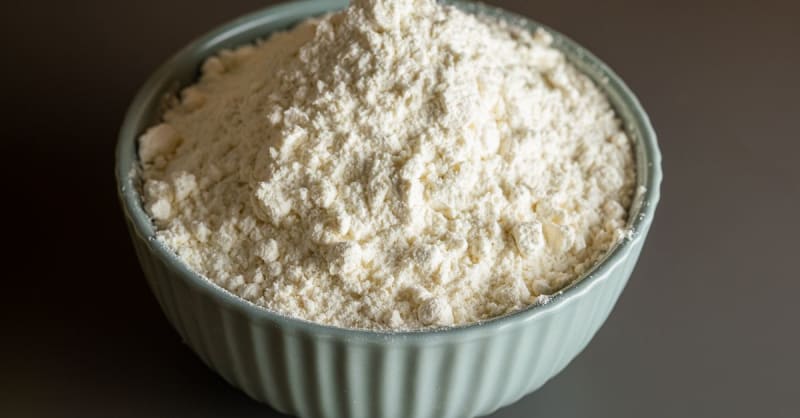
Is Rice Flour gluten free? Yes, rice flour is naturally gluten free. Rice Flour can still be risky if it’s processed on shared equipment. Look for certified gluten-free Rice Flour when you’re buying in bulk for the week.
Gluten-free labels can feel messy fast, especially when you’re trying to stock a pantry for meal prep and keep the whole week safe. One package says gluten free, another says may contain, and wellness marketing doesn’t always help.
That confusion matters if you’re living with celiac disease, managing gluten sensitivity, or just trying to make smarter choices without spending your whole grocery trip decoding packaging.
Here’s the good news: the answer is usually straightforward once you know what to look for. After reviewing the research and the labels, I can give you a clearer answer than most articles do. If you’ve been asking is Rice Flour safe for a gluten-free diet, the short version is yes, with a few label checks.
And if you’re wondering can people with celiac disease eat Rice Flour, the details below will help you shop with more confidence.
Also Read
Health Benefits
Supports gluten-free diets: Rice flour gives you a simple wheat-free option for baking and thickening. For people who need routine and fewer label surprises, that kind of predictability matters.
- Easily digestible: Many people find white rice flour gentler than heavier whole-grain flours. That can be useful when you want a lighter texture in muffins, pancakes, or sauces.
- Low fat profile: Rice flour is naturally low in fat, which keeps it flexible in both sweet and savory recipes. It works well when the fat source is coming from eggs, oil, or yogurt instead.
- Carbohydrate energy: Rice flour is a good source of carbohydrates, so it helps provide the structure and energy base in baked goods. That makes it especially useful in gluten-free blends.
- Neutral flavor: White rice flour has a mild taste that won’t overpower spices, fruit, or savory fillings. We often recommend it for first-time gluten-free bakers because it’s forgiving.
- Brown rice option: Brown rice flour brings a bit more fiber and a nuttier flavor than white rice flour. It can give meal-prep muffins and quick breads a more hearty finish.
- Versatile texture: Rice flour can lighten batters and help thicken soups or sauces without adding wheat. That makes it a practical pantry staple for weeknight cooking.
Celiac Disease Safety
Rice Flour is one of the easier calls for celiac disease, as long as you know what you're buying. Plain rice flour is naturally gluten free, but hidden forms show up in soups, sauces, seasoning blends, and restaurant dishes where it’s used as a thickener or coating.
I’ve noticed that people with celiac disease often miss rice flour in gravies or crispy fried foods because the rice part sounds harmless and the menu description doesn’t spell it out. Celiac Disease Foundation offers solid guidance on reading labels and asking questions in mixed kitchens.
An estimated 3 million people in the US have been diagnosed with celiac disease, so this is not a niche issue. Rice Flour safe for celiac disease usually comes down to the product category and how carefully it’s handled.
For a reliable starting point, I’d choose Bob’s Red Mill or King Arthur gluten-free baking products, since those brands are widely used and easier to verify on shelves. If you’re feeding a family all week, a certified bag is the kind of boring reliability that actually makes life easier.

What Is It?
Rice flour has long been a quiet workhorse in American kitchens, even if most people notice it only when they start cooking gluten free. You’ll see it in gluten-free baking blends, tempura-style coatings, pancake mixes, and some Asian-inspired recipes that need a lighter texture than wheat flour gives.
I’ve found that busy home cooks usually reach for it when they want something neutral, reliable, and easy to batch cook.
In the US, brands like Bob’s Red Mill, King Arthur, and Authentic Foods are common starting points, and store brands may carry white rice flour or brown rice flour too. White rice flour tends to taste milder, while brown rice flour brings a bit more fiber and a nuttier flavor.
Nutritionally, it’s mostly carbohydrate with very little fat, so it works best as a structure ingredient rather than a protein source. Have you noticed how many gluten-free recipes lean on it for texture? That’s because it behaves predictably in batters and thickened sauces.
Common Gluten Risks
Rice Flour and gluten usually only become a problem when manufacturers add it or process it alongside gluten-containing ingredients. The biggest risk is not the rice itself; it’s the finished product. Have you ever flipped a bag over and found a long ingredient list that wasn’t just rice?
For example, some flavored breading mixes and pancake blends can include wheat starch, malt flavoring, or a seasoning packet that hides barley malt extract. I’ve also seen rice-based products in the same aisle as gluten-containing mixes from brands like Jiffy or Krusteaz, where the risk comes from shared facility language rather than the rice flour itself.
Another common trap is a store-brand baking mix that uses modified food starch without stating the source clearly. That’s why I always tell readers to check the ingredient panel, not just the front label.
If you’re buying gluten-free Rice Flour brands for meal prep, look for a short ingredient list and a clear gluten-free claim. The safest habit is to compare the package against a plain rice flour product before you toss it into the cart.
Who Should Avoid It?
Most people can use rice flour without any issue, but the people who need to be most careful are those shopping from shared containers, open bins, or unclear restaurant setups. If you’re managing celiac disease, the ingredient itself is usually fine, but the package and the kitchen can still create problems. That’s why I’d skip anything with vague sourcing or a missing gluten-free claim when you’re cooking for the week.
- People with celiac disease should avoid bulk-bin rice flour unless the store can verify handling controls.
- Anyone with a wheat allergy should still read the full label, since some blended products include wheat starch.
- Shoppers using restaurant rice flour coatings should ask about shared fryers and shared prep tools.
- If the package says it’s made in a facility with wheat and you’re highly sensitive, choose a certified product instead.
How to Eat It Safely
Weeknight dinners: Use gluten-free Rice Flour as a light coating for chicken, tofu, or fish before pan-searing. It browns nicely and helps create a crisp finish without needing wheat flour.
- Meal prep Sundays: Stir gluten-free Rice Flour into pancake batter, muffin batter, or breakfast bars so you’ve got grab-and-go food for the week. I love how one bag can cover both sweet and savory prep.
- Lunchboxes: Try it in homemade snack cakes or mini cornbread-style muffins for a lunchbox side that feels familiar. Pair it with fruit, cheese, or hummus so the meal stays balanced.
- Thanksgiving sides: Use Rice Flour and gluten in the same sentence only if you’re comparing, because this flour can help thicken gravy for guests who need a gluten-free option. Keep the gravy pan separate if wheat flour is used elsewhere in the kitchen.
- Backyard BBQs: Dust shrimp, chicken tenders, or onion rings with gluten-free Rice Flour before grilling or frying. If you’re serving a crowd, a trusted certified bag keeps the prep simple and safer.
- Soups and sauces: Whisk gluten-free Rice Flour into broth, coconut milk, or pan drippings to thicken without a roux. We like to keep a small jar near the stove so it’s easy to grab on busy nights.
Cross-Contamination Risk
Cross contamination turns a safe food into a risky one - and Rice Flour is not immune to this. The retail format that worries me most is bulk bins, because cross-scooping and shared scoops can move wheat flour right into a container that started out fine.
Open display bins and self-serve dispensers can have the same problem, especially if shoppers use the wrong scoop or if flour dust settles from nearby products. I’ve also seen risk in store deli counters and bakery prep areas where the same tools touch multiple ingredients.
Cross contamination can happen even when the ingredient list looks perfect.
That’s why I like sealed packages from manufacturers that clearly label certified gluten-free Rice Flour. Beyond Celiac has long emphasized that shared equipment and shared utensils are real concerns for people avoiding gluten, and that advice fits rice flour especially well when you’re shopping for a full week of meals.
If you’re buying in a store, skip open bins and choose sealed bags instead.
At restaurants, ask whether the rice flour is stored and scooped separately, and whether the fryer, whisk, or breading station is shared with wheat items. That one question can save you a lot of guesswork.
Is It Naturally Gluten-Free?
Most whole foods don't carry gluten proteins - and Rice Flour falls firmly in that category. Under FDA gluten-free labeling rules, the FDA gluten-free labeling rules allow a food to be labeled gluten free if it contains less than 20 parts per million of gluten, and that standard matters here because plain rice flour should fit comfortably within it when it’s made from rice only.
In practice, that means the ingredient itself is not the problem; the package and the processing are where I tell people to look first. If you’re meal prepping muffins, breading chicken, or thickening soup, the safest choice is a plain package with one ingredient and no mystery blend.
The FDA 20 ppm standard is the line most shoppers can use as a practical benchmark, and it’s the reason many gluten-free Rice Flour products are sold with confidence in US stores. After reviewing the research and the labels, I can give you a clearer answer than most articles do.
Rice Flour contains no gluten by nature, but I still like to see a certified gluten-free seal when someone is cooking for celiac disease or preparing food for the whole week. That extra step helps reduce guesswork when you’re buying staples by the bag, and the 20 ppm rule is the key number behind it.
Bottom Line — Is Rice Flour Gluten Free?
Understanding Rice Flour gluten status doesn't have to be complicated - and now it isn't. For most shoppers, the practical answer is that plain rice flour is a safe, flexible staple, while packaged blends deserve a closer look. If you’re feeding a gluten-free household for the week, the label and the handling matter just as much as the ingredient itself.
I’d keep one certified gluten-free bag in the pantry and use it for baking, thickening, and quick dinners without second-guessing every recipe. A good starting point is Bob’s Red Mill gluten-free rice flour, which is widely available and easy to work into a meal-prep routine. I know that kind of consistency makes a real difference.
Editorial Process
This article was written and reviewed by the Gluveto Editorial Team for factual accuracy, gluten-free safety, and alignment with current FDA labeling guidance.
We reference trusted organisations including the Celiac Disease Foundation and the FDA when evaluating foods and ingredients.


