
Is Tofu Gluten Free?

Quick Answer
Is Tofu Gluten Free?
Is Tofu gluten free? Yes, plain tofu is usually gluten free. Flavored tofu can pick up gluten from marinades or seasonings. For lunchboxes, choose certified gluten-free tofu when you want the easiest label check.
Tofu comes up all the time in gluten-free forums, especially from parents packing lunchboxes and adults who are trying to keep weeknight dinners simple. The question is usually less about the bean curd itself and more about what got added to it, which is why people with celiac disease, gluten sensitivity, and even wellness-minded eaters keep asking.
Can you eat Tofu on a gluten-free diet without second-guessing every bite? In my experience, the answer depends more on the package than the plant. I've spoken with people newly diagnosed with celiac disease who ask about this constantly. The good news is that tofu can fit neatly into a gluten-free routine, and it often does.
What Is It?
Tofu has a long history in Asian cooking, but it has become a regular in American kitchens too, especially in stir-fries, grain bowls, salads, and meal-prep lunches. You’ll see it in firm blocks for pan-searing, silken tubs for smoothies or desserts, and ready-to-use marinated versions that save time on busy nights.
We often recommend it to families who want a protein that works for both vegetarian and gluten-free meals.
In U.S. stores, brands like Nasoya, House Foods, and Trader Joe’s make tofu easy to find in the refrigerated case. Nutritionally, it’s a solid choice because it’s high in protein and low in calories, so it can help round out a kid’s lunchbox without feeling heavy.
I’ve found that families do best when they start with plain tofu and add their own sauces at home, since that keeps the label reading simpler.
Is It Naturally Gluten-Free?
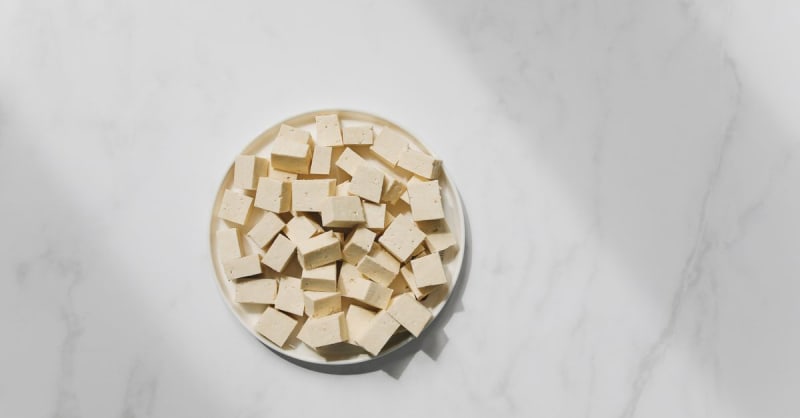
The gluten-free story of Tofu starts before it's ever packaged or processed. In plain form, tofu is made from soybeans, water, and a coagulant, so the ingredient base itself doesn't include wheat, barley, or rye.
The FDA labeling law sets the gluten-free bar at under 20 ppm, a standard established to protect people with celiac disease, and that matters here because plain tofu can meet that standard when the facility and recipe stay clean FDA gluten-free labeling rules.
What does that mean in practice for this food specifically? It means a plain block of tofu can usually sit safely in a lunchbox, but a flavored tub needs a closer look. If the label says gluten free or certified gluten free, that’s the easiest sign you’re on solid ground. For a busy parent, that can take tofu from a maybe to a yes in about 20 seconds.
And because tofu is naturally low risk at the ingredient level, the number you’re really watching is the 20 ppm threshold, not the soybean itself.
Cross-Contamination Risk
The gluten-free label on Tofu tells you more than the ingredient list does - here's why. Cross contamination is usually the bigger issue at retail than the tofu itself, especially in open display cases, store deli counters, or anywhere a server handles multiple foods with the same gloves or utensils.
Bulk bins are not common for tofu, but open refrigerated cases and deli-style prep areas can still create cross contamination if a knife, tongs, or cutting board gets shared.
The biggest risk for tofu is usually a marinated or sliced version sold in a deli case, because the same tools may touch breaded items, seasoned meats, or sauce-covered foods. That’s the kind of setup Beyond Celiac warns people about when they talk about hidden exposure risks Beyond Celiac.
Certified gluten-free tofu is the easiest shortcut if you want less uncertainty, especially for school lunches. And if you’re ordering out, ask whether the tofu is grilled on a clean pan or cooked on a shared surface, since cross contamination can happen fast in a busy kitchen.
Common Gluten Risks
Tofu usually has a low gluten risk, but the risk goes up fast once flavorings, sauces, or restaurant prep get involved. The most common trouble spots are the products people grab for convenience, not the plain block sitting in the refrigerated case.
A marinated tofu from a brand like Nasoya Teriyaki or a store-brand sesame tofu can include soy sauce, and many soy sauces contain wheat unless the package says otherwise. Another common issue is flavored varieties with spice packets, like barbecue tofu or Korean-style tofu, where the seasoning blend may hide wheat starch or malt flavoring.
Even some frozen meal kits built around tofu can sneak in wheat through the sauce packet. If you’re packing lunch for a kid, the safest move is to read the sauce line, not just the front of the box, because does Tofu contain gluten is really a question about the extras.
Health Benefits
Protein support: Tofu is a strong plant-based protein that can help build a more balanced lunch or dinner. For kids who are picky about meat, tofu can still make a meal feel complete without adding much prep time.
- Low calorie option: Tofu gives you staying power without a heavy calorie load. That can be helpful if you’re building a lunchbox with fruit, veggies, and a protein that won’t weigh a child down.
- Heart-friendly swap: Replacing some saturated-fat-heavy proteins with tofu may support healthier cholesterol numbers. I’ve seen families use it in place of sausage or fried chicken on busy nights.
- Muscle maintenance: The protein in gluten-free Tofu works well after sports practice or a long school day. A firm block can be cubed, baked, or pan-seared for an easy recovery meal.
- Iron and calcium boost: Many tofu products contribute useful minerals, depending on the coagulant used. If you’re packing lunches for a growing kid, that extra nutrition can help round out the day.
- Versatile meal base: Tofu and gluten-free grains pair easily in bowls, salads, and stir-fries. That flexibility makes it a practical choice for families who need repeat meals without boredom.
- Budget-friendly staple: Tofu is often cheaper than many specialty gluten-free proteins. We like to keep a few blocks on hand because it stretches across several meals and snacks.
How to Eat It Safely
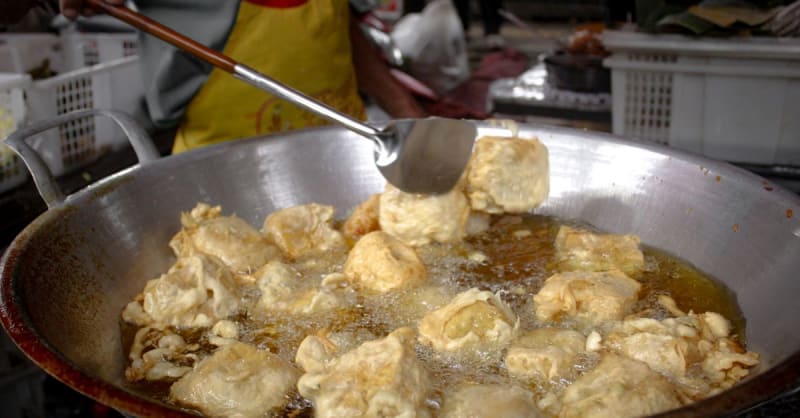
Weeknight dinners: Cube firm tofu, toss it with tamari, and bake it until the edges crisp up. Serve it over rice with frozen broccoli for a fast meal that feels complete.
- Lunchboxes: Pressed tofu can be sliced into strips and tucked into a wrap or bento box. If your kid likes dip, pair it with hummus or a simple yogurt dip that’s labeled gluten free.
- Meal prep Sundays: Marinate plain tofu yourself so you control the ingredients from the start. I love this approach because it keeps gluten surprises out of the fridge for the rest of the week.
- Backyard BBQs: Grill thick slabs of tofu on a clean grate or in a foil packet. That keeps it from picking up crumbs from buns or breaded foods on the same surface.
- Salad nights: Add chilled tofu cubes to chopped salads for an easy protein boost. A sesame-ginger dressing can work well if you choose a gluten-free brand or make it at home.
- Thanksgiving sides: Use silken tofu in a mashed potato topping or a creamy casserole base if you need a dairy-free option. It blends in smoothly and gives you one more dish that works for mixed dietary needs.
- Busy after-school snacks: Keep baked tofu cubes in the fridge for quick grabs. We like to serve them with fruit and cheese so the snack feels filling without much effort.
Who Should Avoid It?
Plain tofu works for most people, but flavored tofu deserves a closer look if you’re extremely sensitive or you’re buying from a deli case with shared utensils. If you have celiac disease, the main issue isn’t the soybean base, it’s the added sauce, seasoning, or handling. That’s why I’d steer you toward simple products when you’re tired, rushed, or packing lunch before school. Here’s the thing: the more steps a tofu product goes through, the more places gluten can sneak in.
- People who react to soy itself should avoid tofu even if it’s gluten free.
- Anyone buying marinated or pre-seasoned tofu should read the full ingredient list, not just the front label.
- Shoppers using a store deli counter should ask about shared knives, tongs, and prep surfaces.
- If a product doesn’t clearly say gluten free, choose a plainer option instead.
Celiac Disease Safety
Tofu is one of the easier calls for celiac disease, as long as you know what you're buying. Can people with celiac disease eat Tofu without worry? Yes, plain tofu is usually a good fit, but the hidden forms are what trip people up, especially in soups, sauces, seasoning blends, and restaurant dishes where tofu is tucked in as an add-in rather than the main event.
I've seen people miss tofu in miso soup, curry, pho, and takeout stir-fries because the sauce, broth, or seasoning carried the gluten instead of the tofu itself.
Celiac disease is more common than most people realize, affecting about 1 in 100 Americans, so this label check matters more than it might seem at first. The Celiac Disease Foundation recommends paying close attention to seasonings and shared prep spaces Celiac Disease Foundation.
If you want the safest starting point, choose certified gluten-free tofu from a plain product line rather than a flavored one. Nasoya Organic Super Firm or House Foods plain tofu are the kinds of products I’d start with when someone wants a reliable fridge staple.
Bottom Line — Is Tofu Gluten Free?
Plain Tofu is safe. That's the short version. For a parent packing lunch, that means you can usually treat plain tofu as a dependable protein and save your energy for the trickier labels, like sauces and seasoning packets. Is Tofu gluten free? Yes, but the smartest choice is still a plain, clearly labeled product.
If you want a practical place to start, look for House Foods tofu, and if you’re shopping for a lunchbox-friendly fallback, that’s the kind of certified gluten-free option we reach for first. I’d keep that one in the fridge and build from there.
Editorial Process
This article was written and reviewed by the Gluveto Editorial Team for factual accuracy, gluten-free safety, and alignment with current FDA labeling guidance.
We reference trusted organisations including the Celiac Disease Foundation and the FDA when evaluating foods and ingredients.