
Is Vodka Gluten Free?

Quick Answer
Is Vodka Gluten Free?
Is Vodka gluten free? Yes, most plain vodka is considered gluten free. Vodka gluten free choices can still vary if flavors, add-ins, or restaurant pours are involved. Certified gluten-free Vodka labels make shopping easier when you want a safer pick.
A cocktail at dinner, a toast at a wedding, or a simple mixed drink at home can feel harmless until your stomach says otherwise. If you live with celiac disease or gluten sensitivity, that kind of after-the-fact confusion gets old fast. Wellness trends have also made spirits feel cleaner or safer than they really are, which adds to the noise.
So, is Vodka gluten free when you just want a straightforward answer and not a label scavenger hunt? In most cases, yes. But can you drink Vodka on a gluten-free diet without second-guessing every pour? That depends on the bottle, the setting, and whether you're dealing with flavored products or a shared bar setup.
We've tested and researched this category extensively over the years, and the same question keeps coming up: can people with celiac disease drink Vodka with confidence?
Also Read
Is It Naturally Gluten-Free?
Checking whether Vodka contains gluten starts with the source - and the source is clean. Gluten is a storage protein found in certain grains, not in the alcohol molecules that remain after distillation, so the base spirit can be gluten free even when the starting material was wheat or rye.
The real risk usually comes from what gets added after distillation, not from the pure spirit itself. FDA gluten-free labeling rules Under FDA rules, any product carrying a gluten-free label must test below 20 ppm of gluten.
That matters because a bottle labeled gluten-free gives you a clearer signal than marketing language alone. Is Vodka gluten free in every form? Not always, especially once flavors, infusions, or sweetened mixers enter the picture. I’ve noticed many people feel safest when they stick to simple bottles and skip anything that sounds dessert-like or candy-inspired.
We’ve tested and researched this category extensively over the years, and the pattern is consistent: plain vodka is the safer baseline, while flavored vodka is the form that deserves extra scrutiny. If you're choosing between a standard bottle and a cinnamon or whipped-cream version, the flavored one is the riskier setup for the next section.
What Is It?
Vodka shows up everywhere in American kitchens and bars, from a Bloody Mary at brunch to a martini at a holiday party. Its roots are Eastern European, but it has become a familiar base for cocktails across the US, especially because it mixes easily and doesn’t bring much flavor of its own.
In my experience, that neutral profile is exactly why people assume it’s automatically safe for a gluten-free diet. The better question is how it’s made and what gets added later.
Most vodka is distilled from grains, potatoes, corn, or even grapes, and the distillation process removes the protein that causes gluten issues. That’s why plain vodka can fit a gluten-free pattern even when the starting ingredient was wheat. We often recommend checking the bottle rather than guessing from the source ingredient alone.
Big US shoppers will recognize names like Tito's Handmade Vodka, Grey Goose, Smirnoff, and Deep Eddy. Nutritionally, vodka is low in calories and has no carbs per standard serving, which is one reason it keeps showing up in low-carb and gluten-free conversations. Still, that doesn’t make every flavored or specialty bottle a free-for-all.
How to Eat It Safely
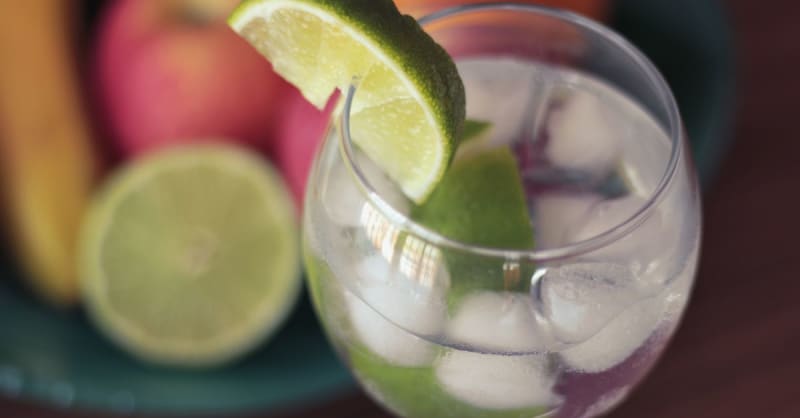
Start with a plain bottle if you want the least confusing option. A simple vodka soda, made with a known brand like Tito's Handmade Vodka, is easier to trust than a neon-colored cocktail with mystery syrup.
- Choose mixers as carefully as the spirit. Juice, soda water, and plain tonic are easier to screen than pre-made cocktail mixes, and that matters when you’re planning weekend hosting or dinner parties.
- We like to remind people that the garnish can matter too. Skip shared olives, sugared rims, or anything dusted with cereal crumbs if you’re drinking at a backyard BBQ with guests.
- Check store shelves before you buy. If a bottle is sitting in a store’s gluten-free section, that can be a helpful cue, but you still want to read the label and confirm the flavor list.
- For meal prep Sundays, keep one or two reliable bottles on hand so you’re not guessing later. That makes it easier to build a safe cocktail without turning the night into a label-reading marathon.
- If you’re hosting Thanksgiving sides and drinks together, set out a clearly marked bottle and separate bar tools. I love that small step because it cuts down on accidental cross contact and makes guests feel cared for.
Celiac Disease Safety
Safe for celiac disease? For plain Vodka, yes. For packaged or restaurant versions, that answer depends on the label. Roughly 1% of the US population lives with celiac disease, so this is not a niche concern, and I’ve seen plenty of people get burned by assuming every clear spirit is automatically safe. Celiac Disease Foundation
Picture the grocery store trip. You’re in the liquor aisle, and the choice is between a plain bottle of Tito's Handmade Vodka or a flavored bottle that lists natural flavors and sweeteners. I’d put the plain bottle in the cart first, then look for a gluten-free statement if you want extra reassurance.
Grey Goose is another widely sold option people ask about, but the same rule applies: plain is easier to trust than flavored.
Vodka safe for celiac disease usually means simple, sealed, and unflavored. What I’d put back on the shelf is the riskiest specific product type, which is dessert-style or cocktail-flavored vodka with a long ingredient list. If you’re shopping for celiac disease, that’s the bottle most likely to create doubt and the one I’d skip first.
Health Benefits
Low calorie count: A standard serving of plain vodka is relatively light compared with many cocktails. That can matter if you’re watching added sugar or trying to keep drinks simple.
- No carbs: Plain vodka brings zero carbohydrates per serving, which is why it often fits into lower-carb eating patterns. Just remember that mixers can change that fast.
- Neutral flavor: Vodka mixes easily into drinks without adding much taste of its own. That makes it a flexible base for people who want control over what’s in the glass.
- Simple ingredient profile: Many plain bottles, including gluten-free Vodka, are made to be straightforward and predictable. Fewer extras can mean fewer surprises for people with food sensitivities.
- Widely available: You can find vodka in most US grocery and liquor stores, from Walmart to Target. That makes it easier to compare labels instead of settling for the first bottle you see.
- Cocktail versatility: Vodka works in everything from a classic martini to a cranberry spritz. If you’re hosting, it can be a practical option when guests have different preferences.
- May support relaxation: A single drink can help some adults unwind in social settings. I’d treat that as a modest benefit, not a health claim, and keep intake within your personal limits.

Who Should Avoid It?
People who should be more cautious are usually not reacting to plain vodka itself, but to the setting around it. If you have celiac disease, strong gluten sensitivity, or you’ve had repeat symptoms after flavored alcohol, the safest move is to skip anything that looks ambiguous and stick to simple bottles with short ingredient lists. I’ve seen plenty of symptoms blamed on the spirit when the real issue was the mixer, garnish, or shared bar tools.
- Avoid flavored vodka with long ingredient lists if you react easily.
- Skip cocktails made with beer, malt, or cream liqueurs.
- Be careful with taproom-style bars and shared pour stations.
- Put back anything that doesn’t clearly name the brand and flavor.
Cross-Contamination Risk
Buying Vodka from a bulk bin seems harmless. That single decision can quietly introduce gluten into an otherwise careful diet.
In practice, the biggest retail risk for vodka is not the spirit itself but the shared handling around it, especially in open display areas, tasting stations, or bar setups where cross contamination can happen through splashback, shared pour spouts, or contaminated mixers. Beyond Celiac
Cross contamination can also show up when a store samples flavored vodka near crackers, pretzels, or baked goods, or when a bartender uses the same jigger for a wheat beer cocktail and a vodka drink. I’ve seen people blame the vodka when the real problem was the garnish tray or the shared shaker. That’s why cross contamination deserves a real conversation, not a shrug.
A sealed bottle from a regular liquor shelf is usually safer than anything poured from an open display or shared service area. If you’re ordering out, ask whether the bar uses separate tools and whether the mixer is gluten free too. At home, keep your bottle away from shared bar tools and open food prep areas so you’re not creating avoidable cross contamination.
Common Gluten Risks
Vodka and gluten become a real issue mostly when the bottle stops being plain. The risk level is low for unflavored spirits, but it goes up fast with flavoring, sweeteners, and mystery ingredients. That’s the part people miss when they assume all vodka is the same.
One common example is Smirnoff whipped cream or other dessert-style flavors, which may include added ingredients that need a closer look. Another is Pinnacle Cake or other novelty flavors, where the gluten question is less about distillation and more about what was blended in after the fact.
I’ve also seen people overlook ready-to-drink canned cocktails made with vodka, since brands like High Noon or Cutwater can bring in juices, natural flavors, or other additions that deserve a label check.
A third scenario is restaurant or bar vodka that gets poured from a flavored rail bottle or mixed into a house cocktail with syrups, cream, or beer-based ingredients. That’s where “vodka” on the menu can be misleading. If you're unsure, ask for the plain bottle name or a simple vodka soda with no flavored mixer.
Bottom Line — Is Vodka Gluten Free?
Shopping for Vodka gets easier once you know exactly what to check. Plain bottles are usually the safest place to start, and flavored or restaurant versions deserve more attention because that’s where gluten confusion tends to show up. If you’ve been feeling sick after drinks you thought were fine, trust that pattern and simplify your order. Is Vodka gluten free?
In most cases, yes, but the bottle and the setting still matter. When in doubt, I’d point you to the Celiac Disease Foundation, Beyond Celiac, or a store's gluten-free section so you can compare labels with more confidence. We’ve all earned a little less guesswork here.
Editorial Process
This article was written and reviewed by the Gluveto Editorial Team for factual accuracy, gluten-free safety, and alignment with current FDA labeling guidance.
We reference trusted organisations including the Celiac Disease Foundation and the FDA when evaluating foods and ingredients.


