
Is Orzo Gluten Free? What You Need to Know

Quick Answer
Is Orzo Gluten Free?
Is Orzo gluten free? No, Orzo is not gluten free since it’s almost always made from wheat. That means Orzo gluten free choices are virtually nonexistent unless you find a special product. For true safety, look for certified gluten-free Orzo brands.
I've seen this question in nearly every gluten-free Facebook group and Reddit thread: is Orzo gluten free, or is that tiny pasta just waiting to trip you up at a friend’s dinner? If you’re newly diagnosed with celiac disease or gluten sensitivity, every unfamiliar pasta shape starts to look suspicious. Is Orzo gluten free, or is Orzo safe for a gluten-free diet?
Even people who’ve been living gluten free for years can have a moment of panic staring at a bowl of lemony orzo salad. Orzo and gluten are a classic example of how food traditions and modern wellness trends can clash. Can people with celiac disease eat Orzo at a potluck, or should you politely pass?
Here’s what I tell my clients the first time this comes up, let’s cut through the confusion together.
Also Read
Who Should Avoid It?
Anyone with celiac disease, gluten sensitivity, or a wheat allergy needs to avoid Orzo, regardless of how small the portion seems. Orzo gluten free alternatives exist, but traditional Orzo is a risk for cross contamination and gluten exposure, even a single spoonful can undo weeks of careful eating if you’re managing an autoimmune condition. Even those on a gluten-free diet for wellness or weight management should steer clear unless a label clearly states "certified gluten-free." I remind my clients, if in doubt, choose rice or a gluten-free pasta instead.
- People diagnosed with celiac disease or non-celiac gluten sensitivity
- Anyone with a wheat allergy
- Those following a strict gluten-free diet for medical reasons
- Individuals who aren’t able to verify the ingredient or contamination status of Orzo at restaurants or potlucks
Health Benefits
Energy boost: Orzo is a carbohydrate-rich food, providing a fast fuel source for active individuals or athletes.
- Digestive help: Paired with veggies or beans, Orzo encourages fiber intake and gentle digestion.
- Easy to cook: Its small size cooks quickly, making weeknight dinners less stressful.
- Versatile: Orzo can be the base of salads, soups, or sides, adapting to different cuisines.
- Low in fat: Like many pastas, Orzo is naturally low in total fat per serving.
- Fortified brands: Some Orzo products are enriched with B vitamins and iron for extra nutrition.
- Kid-friendly: The rice-like shape is familiar and appealing for picky eaters.
- Not Orzo gluten free, but a staple for many: For those who can eat gluten, it’s a flexible pantry item.
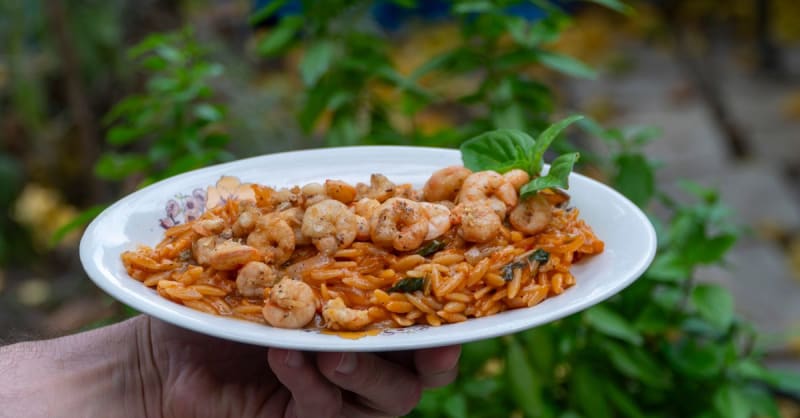
Is It Naturally Gluten-Free?
No amount of processing makes Orzo gluten free - the gluten is in the grain itself. What trips people up is that Orzo looks like rice, but it’s made from wheat, which naturally contains gluten in its seed structure. Barley and rye also carry this same gluten protein, so any Orzo made from these grains would be problematic.
People ask "is Orzo gluten free" because the pasta’s size and appearance are similar to grains that are safe, like rice or millet. But make no mistake: Orzo contains gluten due to its wheat-based composition.
The FDA requires products labeled gluten-free to contain less than 20 parts per million (ppm) of gluten, so if you do find a certified gluten-free Orzo, it must meet this threshold FDA gluten-free labeling rules. Even so, Orzo and gluten are closely linked, and unless you spot a certified gluten-free Orzo label, it’s best to assume that Orzo does contain gluten.
I’ve noticed Orzo causes frequent confusion in gluten-free communities, likely because its name and shape suggest a safer food, and that’s why label checking is non-negotiable here.
How to Eat It Safely
Toss Orzo into chicken soup for added body or use it in Mediterranean-style salads with feta and olives.
- We like to swap rice with gluten-free Orzo in pilaf recipes, if you find a certified brand, it’s a fun twist.
- Mix with roasted veggies for a colorful, hearty meal-prep bowl you can pack for lunch.
- Restaurants sometimes serve Orzo as a side dish under grilled fish or lamb, always ask about the prep method.
- Look for gluten-free Orzo brands at specialty grocers or online at Thrive Market or Amazon.
- Serve warm in a lemon-herb dressing as a bright spring side.
- I love using gluten-free Orzo to bulk up a simple tomato-basil soup, it cooks in just 7 minutes.
Cross-Contamination Risk
Cross contamination with Orzo is most likely to happen at one specific point in the chain - let's talk about which one. In my experience, restaurants are the biggest culprit. Orzo is often cooked in the same boiling water as other wheat-based pastas, or scooped from shared bins using utensils that touch other gluten-containing foods.
It’s common to see Orzo finished in pans with sauces that might have roux (flour) or served alongside bread, leading to cross contamination. At salad bars, Orzo salads can pick up crumbs or dressing drips from neighboring gluten items. Most home kitchens keep Orzo with other pasta, so even well-meaning hosts can miss a contamination step when preparing a shared meal.
Given these risks, Orzo and gluten are rarely separated in typical dining situations. The cross contamination risk for Orzo is high, especially if you’re not preparing it yourself. To stay safe, choose only certified gluten-free Orzo products Beyond Celiac, and ask about prep details whenever eating out.
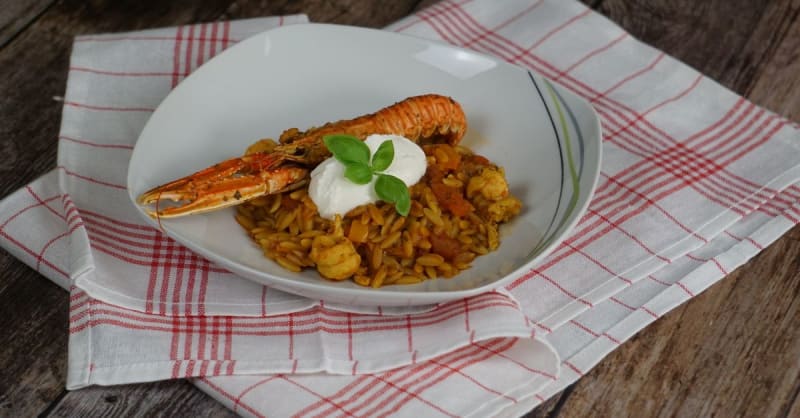
Celiac Disease Safety
Unlike most whole food questions, the celiac answer for Orzo is clear-cut - and it isn't the one people hope for. If you’re asking "can people with celiac disease eat Orzo," the answer is no. Orzo is made from wheat and naturally contains gluten, so it is not Orzo safe for celiac disease.
That means even a small serving can trigger symptoms or long-term damage for those with celiac disease, a group that includes roughly 1% of the US population. When shopping, only products labeled and certified as gluten-free (look for the GFCO Certified Gluten-Free logo) should even be considered.
Generic “wheat free” or “made without gluten” claims are not enough; you want a product that meets the FDA gluten-free standard and, ideally, is tested to below 10 ppm. I tell my clients to check every bag, box, or bulk bin for a certified gluten-free Orzo label.
For more details on safe shopping, see the Celiac Disease Foundation Celiac Disease Foundation, their guides are thorough and easy to use.
What Is It?
In many American kitchens, Orzo shows up as a rice-shaped pasta in soups, salads, and side dishes. It’s especially popular in Mediterranean cooking, think Greek lemon chicken soup or Italian primavera. Barilla Orzo and Ronzoni Orzo are common brands you’ll see at stores like Walmart or Whole Foods.
Although it looks like rice, the key difference is that Orzo is actually a pasta made from wheat semolina. That means traditional Orzo is not a gluten-free Orzo, and the answer to "does Orzo have gluten" is yes: the gluten is there from the start.
Nutritionally, Orzo is a good source of carbs and provides a quick energy boost, but it offers little protein or fiber unless you pair it with beans or veggies. We often recommend rice, quinoa, or small gluten-free pasta shapes as safer alternatives for those avoiding gluten.
Common Gluten Risks
Orzo gluten free products are rare, and the true risks come from mainstream varieties and how they’re served. The overwhelming majority of Orzo sold in the US is made from wheat semolina, Barilla and Ronzoni are the top supermarket brands, and both contain gluten by default.
Pre-packaged Orzo salads at delis or grocery store counters may include hidden gluten from dressings containing wheat-based soy sauce, or from being prepared on surfaces used for other pasta. Flavored Orzo blends sometimes add seasonings mixed with wheat starch or hydrolyzed wheat protein.
If you’re buying Orzo gluten-free options online or in specialty stores, double check for any mention of wheat, barley, or rye. Even imported Orzo labeled as “pasta rice” nearly always has wheat as the first ingredient. The bottom line: check for wheat (Triticum) or any of its derivatives on the ingredient list before buying.
Bottom Line — Is Orzo Gluten Free?
If you have celiac disease or gluten sensitivity, Orzo stays off your plate. Here's what to use instead. With so many gluten-free pasta options now available, it’s easier than ever to swap in brown rice, quinoa, or a certified gluten-free Orzo if you find one. Knowing the answer to is Orzo gluten free gives you an edge next time you're at a party or scanning a restaurant menu.
I know firsthand how stressful these small choices can feel, but you’re now better equipped to make the safe call.
Editorial Process
This article was written and reviewed by the Gluveto Editorial Team for factual accuracy, gluten-free safety, and alignment with current FDA labeling guidance.
We reference trusted organisations including the Celiac Disease Foundation and the FDA when evaluating foods and ingredients.


