
Is Pho Gluten Free?

Quick Answer
Is Pho Gluten Free?
Is Pho gluten free? Sometimes, but it depends on the noodles, broth, and toppings. Plain Pho can still pick up gluten from soy sauce or wheat noodles. Look for certified gluten-free Pho or clearly labeled gluten-free Pho options.
A steaming bowl of noodle soup can feel like the safest thing on a crowded table, especially when everyone else is passing around takeout containers and dipping sauces. But if you live with celiac disease or gluten sensitivity, that comforting bowl can turn into a guessing game fast.
So, is Pho safe for a gluten-free diet when you’re eating at a friend’s house or grabbing dinner out? Working with celiac communities, I see this question come up every single week. And I get why, because Pho and gluten can get tangled up in the broth, the noodles, and even the condiments people forget to mention.
If you’re wondering can people with celiac disease eat Pho, the answer is usually yes with the right setup, but not every bowl is built the same.
Also Read
Common Gluten Risks
Pho carries a medium risk for gluten because the dish itself is simple, but the add-ons are where things go sideways. Pho gluten free versions can be derailed by a wheat noodle swap, a seasoning packet, or a broth that uses gluten-containing flavorings.
A few real-world examples come up often. Some pre-packaged pho kits include wheat noodles or flavor packets with soy sauce powder, which can contain wheat. I’ve also seen broth ingredients like barley malt extract or modified food starch on labels, both of which deserve a second look.
And if you’re buying a restaurant-style kit from a brand like Annie Chun's or a shelf-stable soup from a mainstream grocery aisle, the noodles and broth may come from different suppliers, which raises the odds of a label miss.
Another sneaky issue is flavored toppings or sauces. Hoisin sauce, some soy sauces, and even pre-seasoned beef strips can bring gluten into what looked like a safe bowl. That’s why I tell people to check the ingredient list for every component, not just the front of the box.
If you’re unsure, ask whether the broth is made from scratch and whether the noodles are rice-based before you buy or serve it.
Who Should Avoid It?
People who need strict gluten avoidance should be cautious with Pho if they can’t verify the noodles, broth, and toppings. Pho gluten free claims can still hide wheat-based seasoning, shared utensils, or a broth made with soy sauce, so the safest choice is to pass unless you can confirm every part of the bowl. That matters most for celiac disease, where even small exposures can cause symptoms and intestinal damage.
- Those with gluten intolerance who also react to trace amounts may want to avoid restaurant Pho unless the kitchen can explain the ingredients clearly.
- Anyone eating from a buffet or open soup bar should be careful because cross contamination is harder to control there.
- Shoppers who see vague labels like "seasoning blend" or "natural flavors" should ask for more detail before buying.
- If you’re unsure about the broth, choose a different meal and save Pho for a time when you can verify the setup.
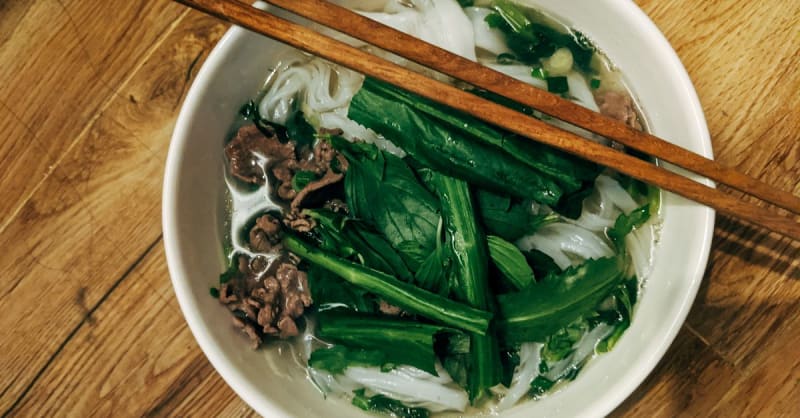
Cross-Contamination Risk
Even naturally gluten-free Pho can pick up traces of gluten long before it lands in your pantry. Cross contamination is the issue here, and for this food the biggest retail risk is usually open display or shared serving setups, not the sealed package itself.
If you’re shopping in a store with bulk bins, cross-scooping can contaminate rice noodles or dried herbs if shoppers use the same scoop in multiple bins. Open display areas and store deli counters can be risky too, especially if a clerk uses the same tongs, gloves, or utensils for a wheat-based soup or noodle dish.
Deli slicers are less relevant for Pho than for sandwiches, but shared prep tools in a soup bar can still spread cross contamination from croutons, breaded proteins, or sauce containers. Beyond Celiac has good guidance on why shared equipment matters so much for people avoiding gluten.
Even so, the safest retail format is usually a sealed package from a store that keeps gluten-free items in their original packaging, such as Whole Foods or another grocer with a strong sealed-shelf setup. Look for a certified gluten-free logo from a recognized third-party program like GFCO on any packaged pho kit or broth. That one label can save a lot of guesswork.
How to Eat It Safely
Weeknight dinner: Build gluten-free Pho with rice noodles, a simple broth, and leftover rotisserie chicken if you know the seasoning is safe. It’s a fast way to get dinner on the table without making a separate meal for yourself.
- Lunchbox idea: Pack the noodles, broth, herbs, and protein in separate containers so the bowl stays fresh until lunch. We like to keep the garnishes on the side so the herbs don’t wilt.
- Backyard BBQ backup: If the grill menu looks risky, bring a thermos of gluten-free Pho broth and a small container of rice noodles. That gives you a warm option without feeling like you’re missing out.
- Meal prep Sunday: Make a big batch of broth and portion it into jars for the week, then add fresh noodles when you’re ready to eat. I love this approach because it makes a safe bowl feel almost effortless.
- Friend’s house: Ask whether the host used soy sauce, bouillon, or a pre-made kit before you serve yourself. If they’re unsure, keep your portion simple and skip the condiments unless you can verify them.
- Holiday table: Pho can work as a lighter side or starter before heavier dishes. Bring a certified gluten-free brand if you want to make sure there’s at least one safe option for you.
Is It Naturally Gluten-Free?
Plain Pho is gluten free. The question is what happens after that.
Compared with wheat, barley, and rye, the base idea of Pho is different because the noodles are usually made from rice, which doesn’t contain gluten-forming proteins like wheat gluten, barley hordein, or rye secalin. That protein difference matters. Gluten gives wheat dough elasticity and chew, while rice noodles stay tender and springy without those proteins.
That’s why a bowl made with rice noodles can be naturally safe in theory, even though the finished dish may still be a problem in practice.
The catch is that the soup isn’t just noodles and water. Broth, meat seasoning, and toppings can change the picture quickly. I’ve seen plenty of people assume a plain bowl is automatically fine, then get tripped up by a splash of soy sauce or a seasoning packet.
The FDA requires products labeled gluten-free to contain less than 20 parts per million (ppm) of gluten, so FDA gluten-free labeling rules is the standard to look for when you’re buying packaged Pho or broth products.
Working with celiac communities, I see this question come up every single week, and it usually comes down to hidden ingredients rather than the rice noodles themselves. That’s why Pho keeps showing up in gluten-free conversations even though the basic dish starts out naturally safe.
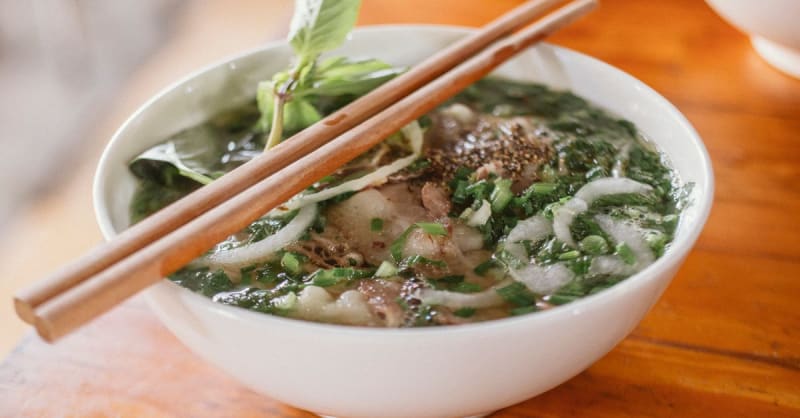
Celiac Disease Safety
If you have celiac disease and you're standing in the Pho aisle, here's your decision tree.
Start with the label. Celiac Disease Foundation recommends looking for a clear gluten-free claim, and the strongest choice is a certified gluten-free logo from GFCO or another recognized third-party certifier. Celiac disease affects around 3 million Americans, so this isn’t a niche concern, and packaged Pho deserves the same scrutiny you’d give bread or pasta.
If the product doesn’t name the noodles, broth, and seasoning clearly, I’d treat it as uncertain.
Pho safe for celiac disease usually means rice noodles only, no wheat-based seasoning, and no shared-factory red flags that aren’t addressed on the package. A certified gluten-free claim matters most because it shows the product has been checked against a gluten threshold, not just marketed as rice-based.
That’s the difference between a bowl that sounds safe and one that’s actually safer for daily celiac management.
The one action that makes the biggest difference is choosing a certified product from a store you trust, then confirming the broth and noodle ingredients before it goes in your cart.
What Is It?
Pho shows up in American kitchens now as both a weeknight comfort food and a restaurant order people crave when they want something warm, fragrant, and filling. In Vietnam, it’s a noodle soup built around broth, rice noodles, herbs, and meat, usually beef or chicken. Here in the US, you’ll see it in everything from family-run restaurants to packaged meal kits at mainstream grocers.
I’ve found that shoppers often assume any noodle soup is automatically off limits, but Pho can be a good fit when the noodles are rice-based and the broth is handled carefully. Brands like Annie Chun's, Kettle & Fire, and Imagine Foods show how mainstream broth and soup products have made this style of eating more accessible, even if not all versions are gluten free.
Nutritionally, it’s usually lower in calories and heavy on flavor, which is one reason it’s popular with people trying to eat lighter without feeling deprived.
Good news, Pho can fit into a gluten-free routine with some label reading and a little confidence at the table.
Health Benefits
Hydration support: Pho is broth-forward, so it can help you take in fluids when you’re under the weather or just not hungry. That’s one reason people reach for it after a long day.
- Light but filling: A bowl of gluten-free Pho can feel satisfying without being heavy, since it often lands low in calories while still offering volume from broth and vegetables.
- Protein flexibility: You can build gluten-free Pho with chicken, beef, tofu, or shrimp, which makes it easy to match your appetite and protein needs.
- Rice noodle energy: Pho noodles are usually rice-based, so they provide quick-digesting carbohydrates that can be helpful after activity or during a busy lunch break.
- Herb boost: Fresh basil, cilantro, and bean sprouts add flavor without extra gluten risk, and they can make the bowl feel more balanced and fresh.
- Warm comfort: The heat and aroma of Pho can make it easier to eat when your appetite is off, especially during cold weather or recovery days.
- Broth nutrients: Depending on how it’s made, the broth may contribute sodium, minerals, and amino acids from simmered bones or vegetables.
Bottom Line — Is Pho Gluten Free?
By now you know more about Pho and gluten than most people in the grocery aisle. The short answer is that is Pho gluten free can be yes, but only when the noodles, broth, and toppings all stay within safe lines. Pho gluten free choices are easiest to trust when they’re clearly labeled and handled carefully, especially if you’re living with celiac disease.
That said, the bowl in front of you is only as safe as the least clear ingredient in it. I always tell people to ask one more question before they eat, because that tiny pause can make all the difference.
Editorial Process
This article was written and reviewed by the Gluveto Editorial Team for factual accuracy, gluten-free safety, and alignment with current FDA labeling guidance.
We reference trusted organisations including the Celiac Disease Foundation and the FDA when evaluating foods and ingredients.


