
Is Risotto Gluten Free? What You Need to Know

Quick Answer
Is Risotto Gluten Free?
Is Risotto gluten free? Most classic Risotto recipes use naturally gluten-free ingredients, but Risotto gluten free safety depends on broth, seasonings, or cross-contamination. Check for certified gluten-free Risotto to guarantee safety, especially for celiac disease.
Getting diagnosed with celiac disease or gluten sensitivity can make every meal feel like a research project, especially when favorite comfort foods are on the line. In my experience helping people navigate gluten-free eating, this one comes up a lot: is Risotto gluten free?
The answer matters whether you're cooking for yourself, a family member, or just keeping up with wellness trends. We’ll look at what’s actually in Risotto, who needs to double-check, and answer common questions like is Risotto safe for a gluten-free diet, is Risotto safe for celiacs, and what the relationship is between Risotto and gluten.
Let’s make sense of the label confusion so you can bring back a favorite dish with confidence.
Also Read
Who Should Avoid It?
Anyone with a diagnosed gluten allergy, celiac disease, or those with high gluten sensitivity should approach Risotto gluten free claims with care. Even if the core ingredients are safe, cross contamination is a significant risk in many packaged or restaurant versions. People following strict elimination diets or those advised to avoid all potential gluten exposures for medical reasons should check every brand and preparation method before eating. Symptoms from accidental gluten exposure can linger, so err on the side of caution if you’re unsure about an ingredient or preparation style.
- People with celiac disease who can't verify gluten-free preparation or labeling
- Anyone with a wheat or barley allergy
- Individuals following a physician-prescribed strict gluten-free diet
- Those highly sensitive to cross contamination from shared kitchens or equipment
Health Benefits
Gentle source of energy: Gluten-free Risotto made from rice digests easily and provides steady carbohydrate fuel, supporting energy levels for active days.
- Digestive support: As a naturally low-fiber dish (unless you add vegetables), Risotto is easy on most digestive systems, making it a good fit for those with GI sensitivities.
- No gluten: For those managing celiac disease or gluten sensitivity, Risotto gluten free meals offer satisfying variety beyond basic rice or potatoes.
- Customizable nutrition: Add lean protein, vegetables, or legumes for a balanced meal that's both filling and nutrient-rich.
- Low in saturated fat: When made with olive oil or minimal butter, gluten-free Risotto keeps saturated fat intake in check.
- No artificial additives: Homemade versions skip the preservatives and artificial flavors often found in packaged side dishes.
- Versatile base: Risotto can be turned into a main course, side, or leftovers for next-day lunch, adapting easily to your dietary needs.
- Satisfying comfort food: For those missing classic pasta dishes, gluten-free Risotto brings back creamy, indulgent comfort without the gluten risk.
What Is It?
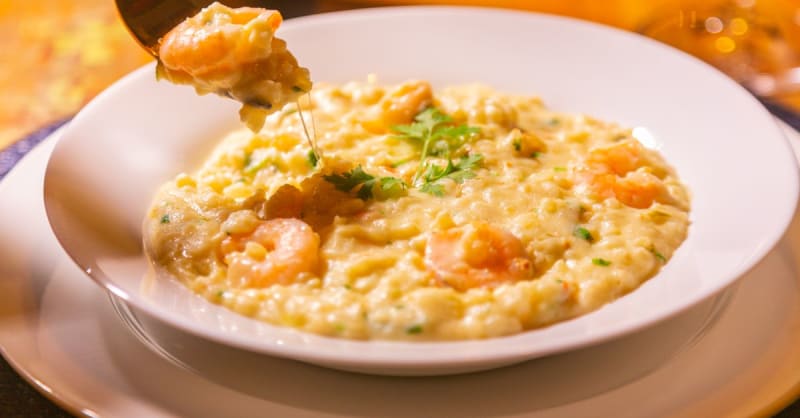
Creamy Risotto is a hallmark of Italian comfort food, often starring at dinner parties or cozy weeknights in American kitchens. Built around starchy short-grain rice (usually arborio or carnaroli), cooked slowly with broth and frequently finished with parmesan cheese, butter, and vegetables, it's as much a cooking technique as a recipe.
In my experience, home cooks fall in love with its simplicity once they get past the stir-stir-stir reputation. We often recommend it to gluten-free eaters as a satisfying entree alternative to pasta. Notable US brands like Lundberg, Alessi, and Roland offer both plain and flavored boxed Risotto versions.
Nutrition-wise, a serving is high in carbohydrates for quick energy, with moderate protein and a comforting, creamy texture. If you’re searching for a gluten-free Risotto option, start with plain rice and customize from there.
Many gluten-free cookbooks feature Risotto because it’s easy to adapt with certified ingredients, making it a staple for both new GF cooks and experienced Italian food lovers. Need inspiration? Compare it to polenta or quinoa, other classic grains with gluten-free potential.
Celiac Disease Safety
Buying Risotto with celiac disease isn't complicated, once you know which label to look for. The safest option, in my experience, is making Risotto at home from scratch with plain rice and a verified gluten-free broth, this way, you control every ingredient and preparation step.
Next safest are certified gluten-free Risotto mixes, which follow protocols to avoid cross contamination and are labeled to meet FDA standards. Flavored or convenience Risotto products (like shelf-stable or microwaveable packets) can be higher risk, since they often contain more additives or are processed on shared lines.
Riskiest of all is Risotto from restaurants or pre-made deli counters, where you have no assurance of separate pans, utensils, or gluten-free broths. With an estimated 3 million people in the US diagnosed with celiac disease, being diligent pays off Celiac Disease Foundation.
For celiac safety, seek out products labeled 'certified gluten-free' and avoid restaurant Risotto unless staff can confirm fully separate preparation.
How to Eat It Safely
Cook Risotto in batches as part of your Sunday meal prep, portion leftovers for easy gluten-free lunches throughout the week.
- We like to host Italian-themed dinners using gluten-free Risotto as the main, paired with grilled chicken or roasted vegetables.
- Experiment with seasonal produce: asparagus Risotto in spring, mushroom in fall, or butternut squash in winter. It’s a great way to keep things interesting.
- Pick up a certified gluten-free Risotto mix from Whole Foods, Trader Joe's, or even Amazon for convenience, just double-check the labels.
- Serve gluten-free Risotto as a Thanksgiving side instead of stuffing for guests with celiac disease or gluten intolerance.
- Create easy weeknight dinners by stirring in pre-cooked shrimp or rotisserie chicken for extra protein.
- I love using leftover Risotto to make crispy gluten-free Risotto cakes, just pan fry small patties until golden and enjoy with a salad.
Is It Naturally Gluten-Free?
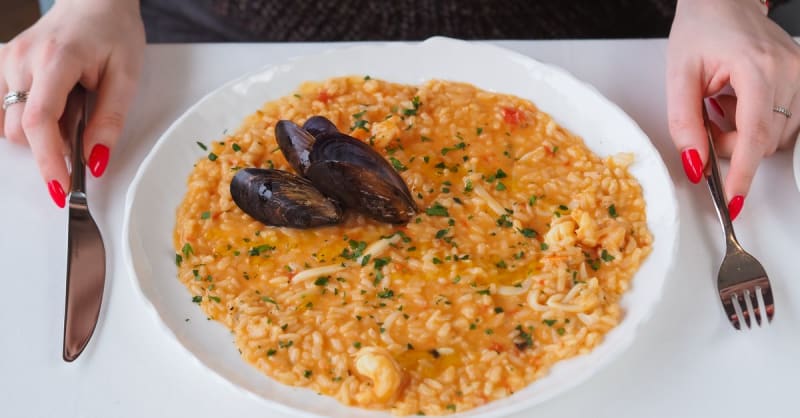
The gluten-free story of Risotto starts before it's ever packaged or processed. Unlike wheat, barley, or rye (which all contain gluten proteins that trigger reactions in celiac disease), the rice at the heart of Risotto doesn't produce gluten at all.
That means, on its own, rice is safe, and so is a basic, homemade gluten-free Risotto made with unseasoned arborio or carnaroli rice, real broth, and fresh add-ins. So why do people still ask is Risotto gluten free? In my experience, confusion sets in when commercial broths, bouillon cubes, or prepackaged Risotto mixes enter the scene.
Some broths or mixes use wheat flour, malt or barley-based flavorings, or hidden thickeners, turning the answer to 'does Risotto have gluten' into a genuine concern. The FDA labeling law sets the gluten-free bar at under 20 ppm, a standard established to protect people with celiac disease FDA gluten-free labeling rules.
That’s why anyone sensitive to gluten should choose certified gluten-free Risotto or brands that clearly state 'gluten free' right on the package. For Risotto and gluten safety, always look for a third-party GF certification or the phrase 'certified gluten-free' when shopping.
Cross-Contamination Risk
For Risotto buyers with celiac disease, cross contamination is the variable that matters most. In restaurants, Risotto is often prepared alongside pasta or breaded items, sometimes even sharing utensils, ladles, or pans. I've noticed that many kitchens use the same ladle to stir both Risotto and wheat-based pasta sauces, especially during busy dinner rushes.
Broths in restaurants can also be thickened with flour, or there may be bread crumbs sprinkled atop for garnish, which is rarely mentioned on menus. Even at home, if your kitchen has shared cutting boards or wooden spoons from gluten-containing dishes, the risk of cross contamination increases.
When buying packaged Risotto, some brands process both gluten-containing and gluten-free versions in the same facility, so check for a certified gluten-free Risotto label or a clear GF logo. For anyone eating out, the most effective question is: 'Is your Risotto cooked with dedicated gluten-free utensils and broth?
Or do you prepare it in a separate pan?' For more on cross contamination and gluten safety, check with resources like Beyond Celiac.
Common Gluten Risks
Risotto gluten free status can change quickly depending on how it's made or packaged, and this dish carries a medium risk for gluten exposure. For example, many boxed or shelf-stable Risotto mixes contain flavor packets that use wheat flour as a thickener or malt extract for savory notes, this is especially true for cheese-flavored, mushroom, or 'four cheese' versions.
In some brands, modified food starch or soy sauce sneaks in, both of which can originate from wheat. Restaurant Risotto can be risky if the chef finishes it with a dusting of wheat flour or uses broth thickened with roux. Even in grocery stores, 'gluten-free Risotto brands' may be produced on shared equipment with wheat-based products.
The most practical action: inspect every label for wheat, barley, rye, or vague terms like 'starch' or 'natural flavors,' and ask about preparation methods if dining out.
Bottom Line — Is Risotto Gluten Free?
For anyone still uncertain about Risotto on a gluten-free diet, the answer is yes - with conditions. Plain Risotto made from rice, gluten-free broth, and cheese can be a delicious part of a gluten-free or celiac-safe menu, as long as you manage the risks of packaged mixes and cross contamination. Start with a certified gluten-free brand like Lundberg, and experiment from there.
If you’re ever unsure, I always tell my clients: when in doubt, ask or make it yourself for total peace of mind.
Editorial Process
This article was written and reviewed by the Gluveto Editorial Team for factual accuracy, gluten-free safety, and alignment with current FDA labeling guidance.
We reference trusted organisations including the Celiac Disease Foundation and the FDA when evaluating foods and ingredients.


