
Is Polenta Gluten Free?

Quick Answer
Is Polenta Gluten Free?
Is Polenta gluten free? Yes, plain polenta is naturally gluten free. Polenta and gluten only become a concern when mixes, seasonings, or shared equipment get involved. Certified gluten-free Polenta is the safest label to look for.
A warm bowl of creamy polenta can feel like the kind of dinner that solves a busy weeknight, especially when you’re trying to keep meals simple and safe. If you’re managing celiac disease, gluten sensitivity, or just following a wellness trend that’s pushed corn-based foods back into the spotlight, it makes sense to ask whether this staple belongs in your rotation.
I’ve answered this question enough times to know exactly where the confusion starts. People see cornmeal, porridge, or a restaurant side dish and wonder if can you eat Polenta on a gluten-free diet without second-guessing the whole meal. The short answer is reassuring, but the details matter if you’re meal prepping for the week and want every container to stay dependable.
Also Read
Common Gluten Risks
Polenta gluten free products are usually low risk, but the risk isn’t zero once you move beyond plain cornmeal. I’ve seen the trouble start with seasoning blends, soup bases, and convenience products that try to make dinner easier but add hidden gluten.
One common scenario is an instant box from a mainstream brand that includes a flavor packet with wheat-based ingredients or yeast extract that isn’t clearly sourced. Another is a tube-style polenta with added herbs, cheese, or spices where the label looks simple but the facility statement raises questions.
You may also run into restaurant versions that get finished with breadcrumbs, flour-thickened sauces, or a parmesan topping made from a shared prep station. Polenta contains no gluten by nature, but the product around it can absolutely introduce it.
I always tell people to read the ingredient list first, then scan for allergen statements and facility notes before tossing it into the cart. If you’re buying from a brand you haven’t used before, the safest move is to choose a plain version and season it yourself at home.
Who Should Avoid It?
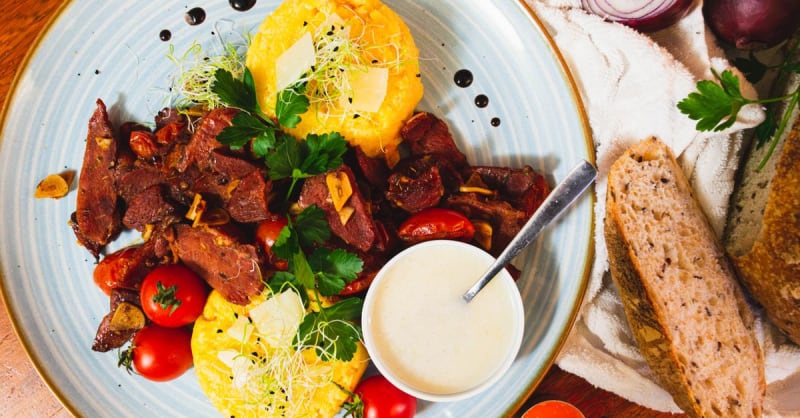
Polenta is a good fit for most people, but the main reasons to skip a package are about the label, not the corn itself. If you have celiac disease, severe gluten sensitivity, or a wheat allergy, the plain version is usually fine, while flavored mixes, restaurant servings, and bulk-bin products can be a problem. The safest approach is to avoid any package that lists wheat, barley malt, or unclear seasoning blends, and to be cautious with shared prep areas in cafes or delis.
- People who react to trace gluten should avoid tube polenta or instant packets unless the package is clearly certified gluten-free.
- Anyone buying from a hot bar or buffet should ask how the polenta was prepared and whether it touched shared utensils.
- If a brand uses a shared facility with wheat pasta or breading mixes, put that product back and choose a cleaner option.
- When in doubt, stick with plain, sealed packages and season them yourself at home.
Cross-Contamination Risk
Cross contamination with Polenta is more food-specific than people realize. Here's where it actually happens. The biggest facility risk usually shows up when polenta is milled, packed, or bagged alongside wheat flour, semolina pasta, couscous, or breading mixes.
That co-location matters because corn is naturally gluten free, but shared conveyor belts, hoppers, and cleaning schedules can leave trace gluten behind.
Beyond Celiac has good general guidance on how shared processing can affect packaged foods, and polenta is a good example of why the details matter. I’ve also seen cross contamination happen in bulk-style setups where scoops move between cornmeal, flour, and seasoned grain blends. Even if the label says cornmeal, the facility may still process gluten-containing products on the same line.
Cross contamination risk is low for plain polenta, but it becomes moderate when the product is flavored, instant, or made in a shared facility. One prevention action that helps a lot is choosing a certified gluten-free box or bag whenever you’re stocking up for the week.
Health Benefits
Energy support: Polenta is high in carbohydrates, so it can help fuel a workday or a long stretch between meals. That makes it useful for meal preppers who want a dependable base under proteins and vegetables.
- Naturally gluten-free base: Polenta gives people with gluten sensitivity a grain-style option without wheat, barley, or rye. That can make weeknight cooking feel simpler when you’re trying to keep the whole menu safe.
- Low fat profile: Traditional polenta is naturally low in fat, which leaves room to add olive oil, cheese, beans, or roasted vegetables based on your goals. I like that flexibility for people who want to adjust portions without changing the whole recipe.
- Versatile texture: Gluten-free Polenta can be served soft, chilled, grilled, or baked into squares. That range makes it easy to repurpose leftovers for lunchboxes or quick dinners.
- Comfort food appeal: Polenta brings a creamy, familiar texture that works well in Italian-style meals and Southern-inspired dishes. In my experience, that helps people stick with gluten-free eating because the food still feels satisfying.
- Budget friendly staple: Plain polenta is usually affordable and shelf stable, which is helpful if you’re building a weekly meal prep routine. A single bag can stretch across multiple meals when paired with beans or chicken.
- Easy nutrient pairing: Polenta itself is mostly starch, but it pairs well with iron-rich greens, protein, and healthy fats. We often recommend it as a blank canvas rather than a stand-alone meal.
- Meal prep friendly: Polenta can be cooked in a big batch and portioned for later use. That makes it useful for anyone who wants reliable gluten-free lunches without cooking from scratch every day.
Celiac Disease Safety
For the millions living with celiac disease in the US, Polenta is one food worth understanding properly. About 1 in 133 Americans has celiac disease, roughly 1% of the population, so a simple pantry staple can make a real difference in day-to-day meal planning.
If you’re standing in the grocery aisle, start in the grains or pasta section, then check whether the package is plain cornmeal-based or a flavored mix. Celiac Disease Foundation is a helpful reference if you want to double-check label rules before you buy.
I’d put plain polenta in the safe-to-buy category for most people with celiac disease, but I still want the shopping habit to be intentional. Look for brands that clearly say certified gluten-free, especially if you’re buying a tube, an instant pouch, or a specialty flavor.
In a real store, that might mean choosing a plain Bob’s Red Mill polenta, a certified gluten-free store brand, or a clearly labeled DeLallo product instead of grabbing the first box that says cornmeal on the front. If the package mentions shared equipment, wheat, or an unclear seasoning blend, put it back.
The one action that makes the biggest difference for celiac safety with this food is choosing a certified gluten-free package every time you can.
Is It Naturally Gluten-Free?
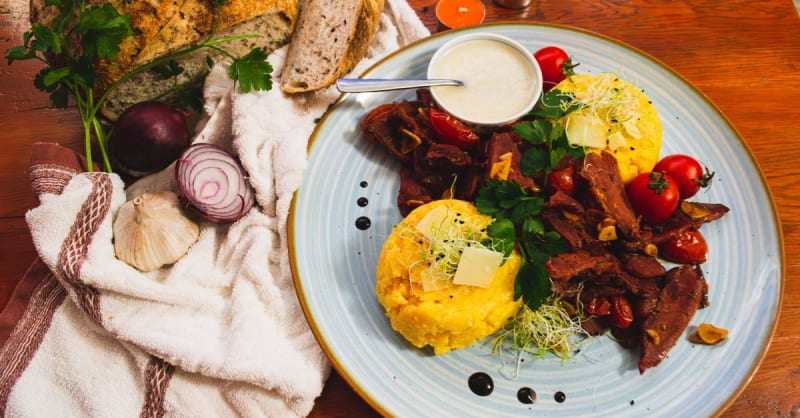
Polenta's gluten-free status isn't a marketing claim - it's a fact about its composition. Under FDA rules, any product carrying a gluten-free label must test below 20 ppm of gluten, which gives shoppers a useful benchmark when they’re comparing shelf-stable boxes or tubes.
That matters here because plain cornmeal-based polenta should already fit that standard if the brand chooses to label it that way, and FDA gluten-free labeling rules explains the rule in more detail.
Here’s the practical part for this food specifically: if the ingredient list says just cornmeal or ground corn, you’re usually looking at a naturally gluten-free staple. I’ve noticed that meal preppers often want one starch they can batch-cook on Sunday and reuse in different dinners, and polenta fits that role well. You can portion it for bowls, chill it for slicing, or serve it soft with sauce.
Still, not every package is plain. Flavored versions, instant cups, and restaurant-style seasoned packs can change the picture fast. Polenta contains no gluten in its basic form, but a cheesy seasoning packet or broth mix can shift that. Certified gluten-free Polenta gives you the clearest path if you want fewer surprises in the fridge.
What Is It?
Polenta has long been a comfort food in Italian cooking, and in American kitchens it shows up as a creamy side, a baked slice, or a base for roasted vegetables and sauces. It’s made from ground corn, so the texture can range from fine and smooth to coarser and more rustic depending on the grind.
In the US, you’ll see it sold as instant polenta, traditional polenta, and sometimes in tubes that can be sliced and pan-seared.
In my experience, people who meal prep like polenta because it reheats well and pairs with almost anything in the fridge. We often recommend it to readers who want a gluten-free starch that feels a little more interesting than plain rice. Nutrition-wise, it’s mostly carbohydrate, low in fat, and easy to build around with protein and vegetables.
Brands such as Bob’s Red Mill and DeLallo are familiar names in many grocery aisles, and store brands can work too if the label is clean. If you’re comparing it with Is Rice Gluten Free?, the main difference is flavor and texture, not safety.
How to Eat It Safely
Weeknight dinners: Spoon creamy polenta under roasted chicken, sautéed mushrooms, or marinara. It’s an easy way to turn leftovers into a full meal without adding gluten.
- Meal prep Sundays: Cook a pan of gluten-free Polenta, chill it, then cut it into squares for the week. I love doing this when I want one base that can become breakfast, lunch, or dinner.
- Lunchboxes: Pack firm polenta slices with turkey meatballs or chickpeas and vegetables. It holds up better than you might expect once it’s chilled and portioned.
- Thanksgiving sides: Serve polenta instead of stuffing if you need a gluten-free side that still feels comforting. A little butter, parmesan, and herbs go a long way.
- Backyard BBQs: Grill chilled polenta rounds and top them with salsa, barbecue chicken, or grilled vegetables. It’s a nice swap when you want something different from corn bread.
- Fast lunches: Stir soft polenta with a fried egg and spinach for a quick bowl. We like to keep this one in rotation because it uses pantry ingredients and comes together fast.
- Family-style dinners: Pair polenta with a big pot of bean ragu or braised beef when you’re feeding a crowd. The texture makes it feel special, and the leftovers reheat well the next day.
Bottom Line — Is Polenta Gluten Free?
Understanding Polenta gluten status doesn't have to be complicated - and now it isn't. Plain polenta is a straightforward pantry staple, and certified gluten-free Polenta gives you an even safer path when you’re stocking up for the week. If you remember the label, the flavor packet, and the prep surface, you’re already ahead of most shoppers.
That kind of confidence makes meal planning easier, especially when you want reliable gluten-free meals without a lot of guesswork. And honestly, that’s the part I love most about teaching this stuff: once you know what to look for, you can shop with confidence.
Editorial Process
This article was written and reviewed by the Gluveto Editorial Team for factual accuracy, gluten-free safety, and alignment with current FDA labeling guidance.
We reference trusted organisations including the Celiac Disease Foundation and the FDA when evaluating foods and ingredients.
Frequently Asked Questions
Related Foods to Explore

Is Rice Gluten Free?

Is Corn Gluten Free?

Is Cornstarch Gluten Free?
Is Cornstarch gluten free.

Is Corn Starch Gluten Free?
Corn Starch gluten free status is straightforward for most: it’s naturally gluten free and generally safe for people with celiac disease.