
Is Corn Starch Gluten Free? The Full Answer

Quick Answer
Is Corn Starch Gluten Free?
Is Corn Starch gluten free? Yes, plain Corn Starch is naturally gluten free and safe for most gluten-sensitive individuals. However, Corn Starch can sometimes be at risk of contamination during processing or packaging. Choosing certified gluten-free Corn Starch brands ensures safety on a gluten-free diet.
Imagine craving that silky gravy, perfectly thickened and smooth, only to feel uneasy after your meal because you’re unsure if the thickener was safe. I’ve spoken with people newly diagnosed with celiac disease who ask about this constantly. They want to know if Corn Starch is gluten free and if it’s safe to include in their gluten-free kitchen.
Amid wellness trends and gluten sensitivity awareness, understanding whether you can eat Corn Starch on a gluten-free diet is key to avoiding symptom flare-ups. After all, managing celiac disease already feels overwhelming without uncertainty about staple ingredients like this. Knowing how Corn Starch and gluten relate can make all the difference in your meal confidence.
Also Read
Health Benefits
Effective Thickening Agent Corn Starch works wonderfully to thicken soups, sauces, and gravies without adding gluten, making it a staple for gluten-free cooking and baking.
- Gluten Substitute It replaces wheat flour in recipes, creating a smooth texture especially in gluten-free cakes and pastries where traditional flours fall short.
- Low Calorie and Fat Free Corn Starch contains very few calories and no fat, which helps maintain lighter meals while still providing the desired consistency.
- Neutral Taste It has a mild flavor that won't interfere with the taste of your dishes, allowing other ingredients to shine.
- Supports Digestive Comfort Using gluten-free Corn Starch avoids the digestive distress caused by gluten, especially important for those with celiac disease or gluten sensitivity.
- Improves Food Texture When used in baking, it contributes to a tender crumb and prevents dryness in gluten-free breads and desserts.
How to Eat It Safely
Use gluten-free Corn Starch to thicken weeknight dinner sauces quickly, such as gluten-free chicken gravy or stir-fry sauces, for a velvety finish.
- Add a spoonful to your gluten-free baking mix to improve texture and moisture retention in muffins or cakes.
- We like to keep certified gluten-free Corn Starch from trusted brands handy for making homemade gluten-free pudding or pie fillings, especially during holiday seasons.
- For backyard BBQs, sprinkle Corn Starch over marinated veggies or use it in gluten-free batter for fried favorites for that crisp texture.
- Try Corn Starch in your lunchbox soups or stews to thicken and keep them hearty without gluten concerns.
- When buying, stores like Whole Foods and Amazon carry a variety of gluten-free Corn Starch brands, making shopping convenient.
- Corn Starch works well in meal prep Sundays to prepare gluten-free sauces and gravies that can be refrigerated and used all week.

Cross-Contamination Risk
Cross contamination is where the Corn Starch gluten story gets complicated. While Corn Starch itself is gluten free, contamination can happen easily in the home kitchen. For example, using Corn Starch in a shared fryer where wheat-battered foods cook, or in the same colander where pasta with gluten rinses, can transfer gluten particles.
Shared cutting boards that handle bread and Corn Starch-coated foods pose a similar risk. Even toasters shared between gluten-containing and gluten-free products can cause contamination through airborne flour dust or crumbs. In manufacturing, Corn Starch may be processed on lines also handling wheat starch or gluten-containing flours, raising the risk too.
Choosing certified gluten-free Corn Starch helps reduce this cross contamination risk significantly. At home, storing Corn Starch separately and using dedicated utensils is a simple way to keep it clean Beyond Celiac.
Is It Naturally Gluten-Free?
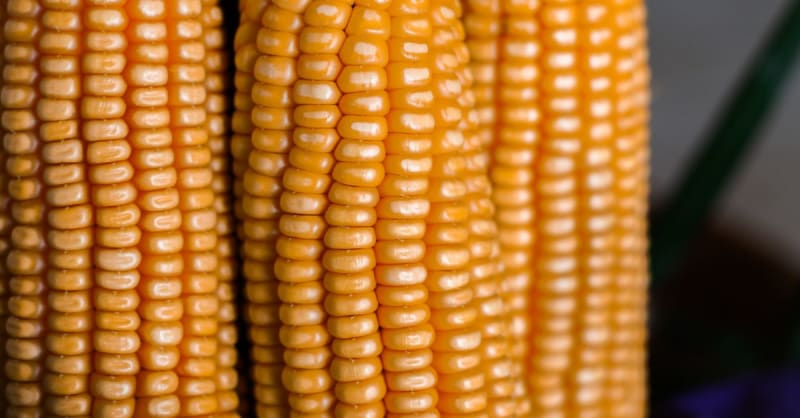
What Corn Starch is made from tells you everything about its gluten status. Unlike wheat, barley, and rye, which all contain gluten proteins harmful to people with celiac disease, Corn Starch comes from corn, a grain that does not contain gluten.
Gluten is a specific protein complex, and corn’s protein structure is completely different, which is why Corn Starch contains no gluten naturally. Still, people searching for "is Corn Starch gluten free" should be aware that processing or packaging could introduce gluten, so label vigilance remains important.
FDA labeling law sets the gluten-free bar at under 20 ppm, a standard established to protect people with celiac disease FDA gluten-free labeling rules. Certified gluten-free Corn Starch options offer an extra layer of assurance, confirming the product meets these safety standards.
In summary, gluten-free Corn Starch is safe by nature, but contamination risks mean not every brand or product is equal.
What Is It?
Corn Starch plays a starring role in many American kitchens as a go-to thickening agent for sauces, soups, and pie fillings. It’s a fine, white powder derived from the endosperm of corn kernels. Unlike corn flour, which uses the whole kernel, Corn Starch is almost pure starch, making it low in calories and fat-free.
In the U.S., popular brands like Argo and Clabber Girl are common household names, often found on shelves next to other baking staples. I’ve found that people appreciate Corn Starch’s versatility, especially when tailoring recipes to gluten-free needs, since it offers a smooth texture without the gluten proteins found in wheat-based thickeners.
We often recommend it as a substitute for flour in gluten-free baking and cooking to achieve that desirable silky finish without gluten worries.
Who Should Avoid It?
Although Corn Starch itself is gluten-free, certain groups might need to avoid it due to cross contamination or other ingredient sensitivities. People with severe celiac disease or gluten intolerance should be wary of flavored or pre-packaged Corn Starch products, which may contain hidden gluten or shared processing risks. Additionally, individuals allergic to corn should avoid all Corn Starch products. Finally, those experiencing unexplained gluten reactions should scrutinize all thickeners including Corn Starch sources carefully.
- People with corn allergies or sensitivities
- Those with severe celiac disease prone to cross contamination
- Consumers sensitive to additives in processed Corn Starch products
- Anyone uncertain about product certifications or manufacturing processes
Common Gluten Risks
Corn Starch generally carries a low risk of gluten contamination, yet not all Corn Starch gluten free products are equal. Some processed products may add ingredients like malt vinegar or modified food starch derived from wheat, which introduce gluten.
For instance, microwave popcorn often coated with Corn Starch-based seasonings can contain wheat starch as a thickener or anti-caking agent. Similarly, kettle corn sold in bags at fairs or stores might include wheat-derived additives alongside Corn Starch.
Restaurant sauces thickened with Corn Starch can also unexpectedly include soy sauce or other gluten-containing ingredients. When you're buying Corn Starch gluten-free options, it’s vital to check for words like "wheat starch" or "malt" on ingredient lists and confirm if the product is labeled gluten-free.
Asking about preparation methods in restaurants can also prevent hidden gluten exposure.
Celiac Disease Safety
Plain Corn Starch earns a pass for celiac disease. The flavored and packaged versions need a closer look. Because Corn Starch is naturally gluten free and carries a low processing risk, it’s generally safe for people with celiac disease.
That said, when you’re eating out at American restaurants, Corn Starch often appears in sauces or soups, where cross contamination can occur or gluten-containing thickeners may be mixed in. It’s helpful to ask the kitchen if their sauces use certified gluten-free Corn Starch or inquire about any hidden wheat-based ingredients.
Given celiac disease affects around 3 million Americans, this clarity matters. When buying packaged Corn Starch, look for certification labels like the Gluten-Free Certification Organization (GFCO) mark. Brands like Argo offer reliable gluten-free Corn Starch products that I often suggest for peace of mind Celiac Disease Foundation.
Bottom Line — Is Corn Starch Gluten Free?
With the right label knowledge, Corn Starch is one less thing to worry about on a gluten-free diet. Knowing that Corn Starch is naturally gluten free and how to avoid cross contamination lets you confidently use it as a thickener or baking aid. I’ve noticed that once my clients understand this, they feel less stressed about meal prep and dining out.
You now know something most people don’t, and can shop with confidence.
Editorial Process
This article was written and reviewed by the Gluveto Editorial Team for factual accuracy, gluten-free safety, and alignment with current FDA labeling guidance.
We reference trusted organisations including the Celiac Disease Foundation and the FDA when evaluating foods and ingredients.


