
Is Tapioca Gluten Free? What Gluten-Free Shoppers Should Know

Quick Answer
Is Tapioca Gluten Free?
Is Tapioca gluten free? Yes, plain tapioca is naturally gluten free. Tapioca gluten free products can still be risky if they’re mixed into blends or flavored snacks. Look for certified gluten-free Tapioca when you’re buying pearls, flour, or ready-made mixes.
A bag of pearls, a box of starch, or a trendy bubble tea topping can make the grocery aisle feel oddly complicated, especially if you’re shopping for celiac disease or gluten sensitivity and trying to keep the week organized. Is Tapioca gluten free is a fair question, because wellness trends have turned a simple starch into a label-reading puzzle.
The ingredient itself is usually straightforward, but the products built around it aren’t always. In my experience helping people navigate gluten-free eating, the label confusion on this one is real. And if you’re asking can you eat Tapioca on a gluten-free diet, the answer depends on the form, the brand, and how it was handled.
If you’re wondering can people with celiac disease eat Tapioca, we need to look past the front label and into the ingredient list.
Also Read
What Is It?
Tapioca shows up in American kitchens as a thickener, a pudding base, and the chewy pearls in bubble tea. It comes from cassava root, which is processed into starch, flour, or pearls depending on the final product. That makes it very different from wheat-based starches, both in structure and in how people use it.
We often recommend tapioca to people who want a neutral, versatile starch for gluten-free baking because it helps with texture without adding much flavor. You’ll see it in products from Bob’s Red Mill, Anthony’s Goods, and Judee’s, plus in store-brand baking blends at places like Whole Foods and Walmart.
I’ve found that meal preppers like it because it can thicken soups and sauces without changing the taste much.
Nutritionally, it’s mostly carbohydrate, with very little protein or fiber. That means it can be useful, but it’s not doing the same job as beans, grains, or nuts in a meal plan.
How to Eat It Safely
Breakfast prep: Use gluten-free Tapioca in overnight pudding cups or as a thickener for fruit compote. It’s a nice way to build a make-ahead breakfast that holds up for several days in the fridge.
- Weeknight dinners: Stir tapioca starch into pan sauces when you want a glossy finish without wheat flour. It works especially well for chicken, tofu, or roasted vegetable meals.
- Lunchbox planning: Tapioca pearls can be turned into a chilled dessert or snack for the week, but keep the toppings simple. I love pairing them with fruit and plain yogurt when a family needs a quick grab-and-go option.
- Thanksgiving sides: We like to use tapioca flour in gluten-free gravies and pie fillings because it gives a smooth texture. It can help keep the holiday table consistent for guests who need a safe plate.
- Backyard BBQs: Try tapioca as part of a gluten-free breading or coating blend for baked sides and crispy toppings. Just make sure the seasoning mix is gluten-free too.
- Meal prep Sundays: Portion the starch into a sealed container and label it clearly so it doesn’t get mixed with wheat flour. That small habit saves time later and lowers the chance of cross contact.
- Dessert nights: Build gluten-free Tapioca into pudding, fruit bars, or bubble tea at home using certified toppings. If you’re buying gluten-free Tapioca brands, keep the package so you can match the exact product next time.
Cross-Contamination Risk
Understanding Tapioca cross contamination means understanding where in the supply chain gluten can enter. In the home kitchen, the biggest risk is usually not the tapioca itself. It’s the tools and surfaces you use after opening the bag.
Shared cutting boards can pick up crumbs from bread, and shared colanders are a problem if you rinse pasta in the same sink setup. If you’re making tapioca pearls or starch-thickened sauces, a spoon that was used in flour can contaminate the whole batch. Shared toasters are less relevant for the starch itself, but they matter if you’re building a breakfast plate around it.
That’s why cross contamination deserves the same attention every time, even with a low-risk ingredient.
I’ve noticed that meal preppers do best when they keep one clean scoop in the tapioca container and store it away from flour bins. For more background on household risk, Beyond Celiac has helpful celiac-focused guidance.
If you want the safest retail option, I’d buy from a major grocery chain like Whole Foods or Target and look for a certified gluten-free seal such as the Gluten-Free Certification Organization logo.
Common Gluten Risks
Tapioca is low risk on its own, but Tapioca gluten free shoppers can still get tripped up by the products that use it as a base. The main issue is not the starch itself. It’s the add-ins, shared equipment, and seasoning packets that turn a simple ingredient into a label-reading job.
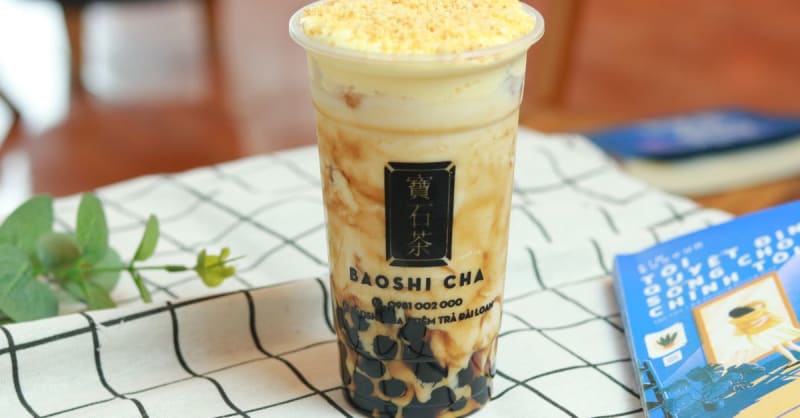
One common example is tapioca pearls used for bubble tea. A plain pearl may be fine, but the drink shop can add syrups, powder mixes, or toppings that bring in gluten through ingredients like malt flavoring or cookie crumbs. Another example is baking blends from brands like King Arthur or Bob's Red Mill when they’re mixed with other starches, gums, or flavor systems.
The label may still be safe, but you need to inspect the full ingredient list.
Pre-seasoned products are another watch point. Instant pudding mixes, dessert cups, and packaged snack foods sometimes use modified food starch, wheat starch, or barley malt extract in the same recipe family. Does Tapioca contain gluten? Not naturally, but the finished product can if the manufacturer adds a gluten source.
My practical advice is simple: read the ingredient list and the allergen statement every time, not just the front panel.
Is It Naturally Gluten-Free?
Gluten-free by nature, not by processing. That's what Tapioca is. Cassava is a root, not a grain, so it doesn’t have the wheat, barley, or rye protein structure that creates gluten in the first place. The gluten risk with this food usually starts after harvest, during milling, blending, or packaging, not in the plant itself.
That’s why the question is Tapioca gluten free usually has a simple answer for plain starch, but a less simple one for mixes and flavored products. In my experience helping people navigate gluten-free eating, the label confusion on this one is real. The safest way to think about Tapioca and gluten is to separate the single ingredient from the finished product.
For shoppers in the US, FDA gluten-free labeling rules matters because a product labeled gluten free must stay under 20 ppm of gluten by FDA rules. That standard gives you a useful floor, but it doesn’t replace reading the ingredient panel. When you’re buying whole tapioca or tapioca flour, a certified label is still the cleanest shortcut.
Celiac Disease Safety
Ask any gluten-free dietitian about Tapioca and celiac disease - you'll hear the same answer: it depends on the form. Plain tapioca flour, starch, and pearls are generally celiac safe, but hidden versions show up in soups, sauces, seasoning blends, and restaurant dishes where you might not expect them. Can people with celiac disease eat Tapioca?
Yes, when it’s a plain, well-labeled product and not part of a mixed recipe.
About 1 in 133 Americans has celiac disease, roughly 1% of the population, so this question comes up often in my practice. I’ve seen people miss tapioca when it’s tucked into a gravy packet or a creamy sauce because the front of the package never mentions it. Celiac Disease Foundation also reminds shoppers that gluten can hide in processed foods even when the base ingredient seems safe.
Tapioca safe for celiac disease usually means plain, certified, and clearly labeled. If you’re ordering out, ask, "Does this soup, sauce, or seasoning blend contain tapioca, and is it made on shared equipment with gluten ingredients?" That one question can save you a lot of guesswork.
Health Benefits
Gluten-free alternative: Tapioca gives people with celiac disease and gluten sensitivity a neutral starch they can use in baking and thickening. It helps replace wheat-based ingredients without changing the flavor much.
- Quick energy: Tapioca is high in carbohydrates, so it can be useful when you need a fast source of fuel. That can help in meal prep plans where you want a simple side or dessert base.
- Digestive simplicity: Because tapioca is naturally low in fiber and low in protein, it’s often gentle for people who want a bland, easy-to-digest starch. We often recommend it when someone needs a simple option during a sensitive stomach phase.
- Vegan-friendly texture: Gluten-free Tapioca works well in vegan recipes because it helps create chew and body without eggs or dairy. You’ll see it in puddings, pie fillings, and plant-based baked goods.
- Neutral flavor: Tapioca doesn’t overpower other ingredients, so it fits into sweet and savory recipes. That makes it handy for meal preppers who batch-cook sauces or breakfast items.
- Versatile thickening: Tapioca starch can help thicken fruit fillings, gravies, and soups. A little goes a long way, which is useful when you want consistent texture across a week of meals.
- Simple pantry staple: Whole tapioca and tapioca flour store well and can sit in a gluten-free pantry as a backup starch. That makes them practical for busy weeks when you need a reliable ingredient fast.
Who Should Avoid It?
Tapioca is low risk for most people, but some shoppers should still pause before buying a big batch for the week. The issue is usually not a medical need to avoid tapioca itself. It’s that certain packaged versions can include gluten-containing ingredients or be made in shared facilities. If you’re very sensitive, the plain ingredient is only half the story. In my experience, the people who need the most caution are those relying on flavored mixes, restaurant desserts, or bulk-bin style products with unclear handling.
- People with celiac disease should avoid any tapioca product that doesn’t have a clear gluten-free label or certification.
- Anyone with wheat allergy should read the allergen statement closely, since tapioca blends can be processed near wheat ingredients.
- Shoppers with a history of severe reactions should skip unlabeled restaurant sauces and desserts unless the staff can confirm the recipe.
- Meal preppers who buy in large containers should store tapioca away from flour and bread crumbs to lower cross contact.
Bottom Line — Is Tapioca Gluten Free?
Next time you're in the grocery aisle facing a Tapioca label, you'll know exactly what to look for. Plain tapioca is usually a safe, useful starch, but the real test is whether the product is mixed, flavored, or handled in a shared space. That’s where Tapioca gluten free shopping gets easier once you know the patterns.
If you want the most reliable week of meals, stay with plain or certified products and keep your pantry setup clean. We recommend building that habit now, because it makes gluten-free cooking feel a lot calmer later.
Editorial Process
This article was written and reviewed by the Gluveto Editorial Team for factual accuracy, gluten-free safety, and alignment with current FDA labeling guidance.
We reference trusted organisations including the Celiac Disease Foundation and the FDA when evaluating foods and ingredients.
Frequently Asked Questions
Related Foods to Explore

Is Corn Gluten Free?

Is Cornstarch Gluten Free?
Is Cornstarch gluten free.

Is Corn Starch Gluten Free?
Corn Starch gluten free status is straightforward for most: it’s naturally gluten free and generally safe for people with celiac disease.

Is Maltodextrin Gluten Free?
Is Maltodextrin gluten free.