
Is Sourdough Bread Gluten Free? What You Need to Know

Quick Answer
Is Sourdough Bread Gluten Free?
Is Sourdough Bread gluten free? No, traditional Sourdough Bread contains gluten because it's usually made from wheat flour. Not all Sourdough Bread gluten free products are safe, as some may have hidden gluten from cross contamination. Choose certified gluten-free Sourdough Bread gluten-free options to reduce your risk.
Reading gluten-free labels can feel like decoding a secret language, especially when you're packing a lunchbox for a gluten-sensitive child or newly diagnosed with celiac disease. Is Sourdough Bread gluten free? This is a question I hear constantly from families trying to keep meals both safe and familiar.
If you're wondering is Sourdough Bread safe for a gluten-free diet, you're not alone. From wellness bloggers to neighborhood bakers, there are plenty of myths about Sourdough Bread and gluten. I've spoken with people newly diagnosed with celiac disease who ask about this constantly, especially since sourdough seems like it should be gentler on the gut.
But the relationship between Sourdough Bread and gluten is more complicated than most labels or social media posts let on. Let's clear this up so you can make confident choices at the grocery store, and find out if can people with celiac disease eat Sourdough Bread or if this bread belongs on your 'avoid' list.
Also Read
What Is It?
From artisan bakery shelves to home kitchens, Sourdough Bread has a reputation for deep flavor and a satisfyingly chewy texture. Its roots trace back thousands of years, but in American kitchens, sourdough is now associated with crusty loaves found everywhere from San Francisco to your local grocery store.
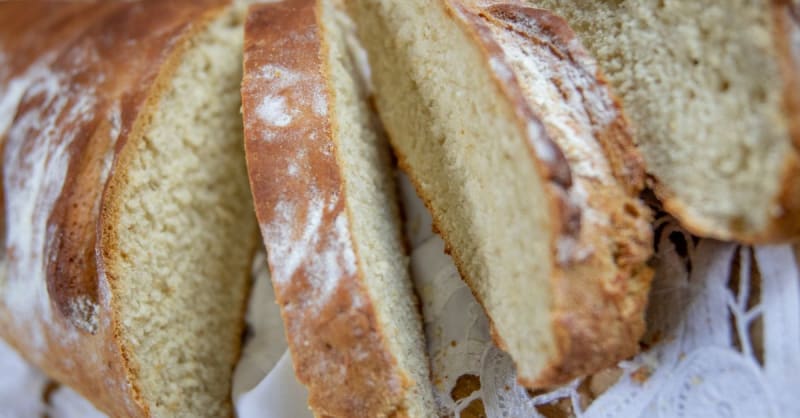
Made using a fermented starter of wild yeast and bacteria, the dough develops a tangy bite that sets it apart from standard white bread. Most commercial and bakery sourdough breads in the US are made with wheat flour, sometimes blended with rye or even barley for extra flavor.
In terms of nutrition, Sourdough Bread offers more fiber and B vitamins than many standard breads, and some people find it easier to digest. We often recommend double-checking nutrition labels if you're counting fiber or sodium, as brands like Acme, Boudin, and local bakeries can vary widely.
As for gluten-free Sourdough Bread, there are a few specialty brands, but these are the exception rather than the norm. Does Sourdough Bread contain gluten? For the vast majority of sourdough on shelves, the answer is yes.
Health Benefits
Digestive support: The natural fermentation process in Sourdough Bread creates lactic acid, which may help some people digest bread more easily than conventional wheat breads.
- Lower glycemic index: Sourdough Bread has a lower glycemic index than white bread, meaning it can lead to steadier blood sugar after meals.
- Higher fiber content: Many Sourdough Bread loaves are made with whole grains, providing more dietary fiber per slice for gut health.
- B vitamin boost: As a fermented bread, Sourdough Bread delivers B vitamins important for metabolism and energy.
- Potential prebiotic effects: The fermentation encourages growth of beneficial bacteria, which can support digestive health.
- Satiety: Because of its dense texture and fiber, Sourdough Bread can keep you feeling full longer than many standard breads.
- Flavorful gluten-free swap: As a gluten-free Sourdough Bread, certain specialty brands offer a similar tang and chew for people who can't eat wheat.
- Mineral absorption: The lactic acid in Sourdough Bread may improve your body's ability to absorb minerals like magnesium and zinc.
Who Should Avoid It?
Anyone with celiac disease, severe gluten intolerance, or a diagnosed wheat allergy should avoid Sourdough Bread gluten free claims unless they're backed by certification. The fermentation process in sourdough doesn't eliminate gluten to safe levels for these groups. Even small exposures can cause serious symptoms, from digestive distress to long-term health complications. Other people with non-celiac gluten sensitivity, or those who want to follow a gluten-free diet for wellness reasons, also need to be careful. For these groups, mislabeled or cross contaminated Sourdough Bread can cause setbacks and discomfort.
- People with celiac disease or dermatitis herpetiformis
- Individuals with wheat allergy or non-celiac gluten sensitivity
- Anyone following strict gluten-free eating due to autoimmune conditions
- Parents packing for gluten-free kids, unless packaging clearly states 'certified gluten-free'
Is It Naturally Gluten-Free?
Here's the part most people don't realize: Sourdough Bread is not naturally gluten free. Most sourdough recipes use wheat, barley, or rye flour, all of which contain gluten. The fermentation process may slightly break down gluten proteins, but it doesn't remove them; Sourdough Bread still has gluten unless made with 100% gluten-free flours.
When people search "is Sourdough Bread gluten free," they often hope that natural fermentation makes it safe, but that's not the case. In my experience, families are surprised to learn that traditional Sourdough Bread and gluten are closely connected.
To carry a gluten-free label in the US, a product must contain fewer than 20 ppm of gluten per FDA standards, so only certified gluten-free Sourdough Bread is reliably safe. If you want to experiment, look specifically for certified gluten-free Sourdough Bread on packages, this phrase is your best guarantee it's been made in a gluten-safe environment.
More detail on labeling is available in the FDA gluten-free labeling rules guidelines.
Cross-Contamination Risk
The gluten risk in Sourdough Bread isn't about the ingredient - it's about what happens before it reaches your kitchen. Cross contamination is a huge concern here, especially if you're preparing gluten-free Sourdough Bread in a home or commercial kitchen that also handles wheat loaves.
Think about how easy it is for crumbs to transfer when using a shared cutting board, knife, or even a toaster, I've noticed many families overlook the risks of communal bread baskets or slicing areas. If your kitchen isn't fully gluten free, those microscopic wheat crumbs can get everywhere and undo your best efforts.
Restaurants are another hotspot for cross contamination: Sourdough Bread is often sliced or toasted alongside regular wheat products, and few kitchens have protocols to prevent mix-ups. Some grocery stores also sell Sourdough Bread in open-air bakery cases, increasing the chance that tongs or bags have touched wheat products nearby.
If your family is managing celiac disease, look for certified gluten-free Sourdough Bread, packaged in sealed bags, rather than anything from a bakery counter. For more practical cross contamination tips, check the guides at Beyond Celiac.
Common Gluten Risks
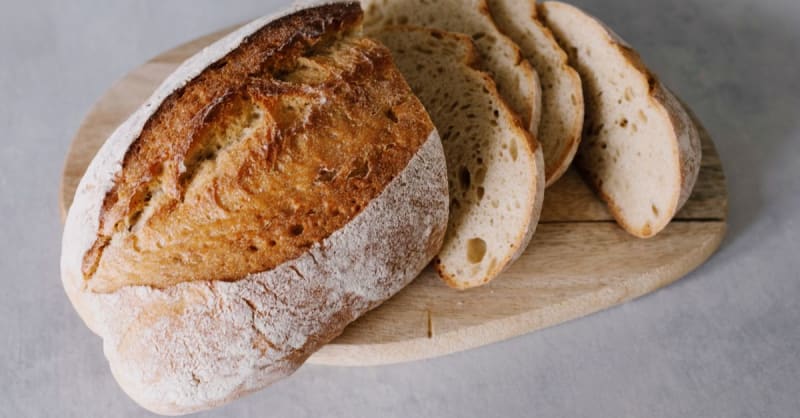
Sourdough Bread gluten free products aren't all created equal, and the risk level depends on how, and where, they're made. Standard bakery sourdough almost always contains wheat flour, meaning it's full of gluten. But risks don't stop there. Some 'whole grain' and 'artisan' loaves sneak in barley malt for extra flavor, which is another gluten source.
Packaged Sourdough Bread can include wheat starch, modified food starch, or even malt vinegar, ramping up gluten exposure. Restaurant sourdough toasts often come into contact with other wheat breads in shared prep areas, making cross contamination likely.
If you're buying Sourdough Bread gluten-free options, be wary of unregulated claims like 'made with sourdough starter' on gluten-free bread, sometimes it's just a flavoring added to a wheat-based loaf. To lower your risk, check for a clear 'gluten-free' certification on the label and ask restaurants about preparation methods.
Celiac Disease Safety
The honest celiac answer for Sourdough Bread is a firm no - and understanding why helps you find safer alternatives. Traditional sourdough made from wheat, barley, or rye is highly unsafe for celiac disease, and that includes almost every loaf you'll find at a grocery store or bakery.
Even if you come across a brand claiming 'low gluten' or 'sourdough is easier to digest,' it's not enough: for the roughly 1% of the US population living with celiac disease, even trace gluten can trigger symptoms.
The product safety hierarchy for Sourdough Bread looks like this: Certified gluten-free packaged sourdough (safest); specialty gluten-free bakery loaves (safer, but ask about prep practices); regular store-bought or fresh bakery sourdough (high risk); and restaurant sourdough or 'artisanal' loaves (riskiest by far, cross contamination is almost guaranteed).
If you're newly diagnosed, we recommend seeking out certified gluten-free Sourdough Bread or skipping sourdough entirely. It's the single most impactful step you can take for Sourdough Bread safe for celiac disease. For more on why, see the Celiac Disease Foundation resource on bread labeling.
How to Eat It Safely
Classic sandwiches: Use gluten-free Sourdough Bread for lunchbox favorites, it holds up well to fillings and has a hearty chew.
- We like to toast slices and pile on avocado, smoked salmon, or nut butter for nutrient-dense breakfasts or snacks at home.
- Packaged gluten-free Sourdough Bread brands are shelf-stable and work well for meal prep Sundays; check selections at Whole Foods or Thrive Market.
- Turn gluten-free Sourdough Bread into croutons or breadcrumbs for salads and casseroles, just cube, bake, and store for later.
- Bring gluten-free Sourdough Bread to backyard BBQs as a safe burger bun alternative; look for sealed packaging to avoid cross contamination.
- If you're shopping online, Amazon offers several Sourdough Bread gluten-free options, making it easy to try new brands.
- I love using gluten-free Sourdough Bread in Thanksgiving stuffing recipes for that tangy flavor, and my clients enjoy the familiar texture.
Bottom Line — Is Sourdough Bread Gluten Free?
The gluten question with Sourdough Bread has a firm answer: it's not safe, and no label changes that. For parents packing gluten-free lunchboxes or anyone managing celiac disease, skipping standard Sourdough Bread is essential, no matter what you hear about fermentation or tradition.
If you're looking for answers beyond the grocery aisle, the Celiac Disease Foundation offers the latest updates on gluten-free bread and cross contamination risk. I know how much a good bread matters, and with the right resources, you'll find a Sourdough Bread gluten free option that truly works for your family's needs.
Editorial Process
This article was written and reviewed by the Gluveto Editorial Team for factual accuracy, gluten-free safety, and alignment with current FDA labeling guidance.
We reference trusted organisations including the Celiac Disease Foundation and the FDA when evaluating foods and ingredients.
