
Is Rye Bread Gluten Free?

Quick Answer
Is Rye Bread Gluten Free?
Is Rye Bread gluten free? No, rye bread is not gluten free because rye contains gluten. Even packaged rye loaves can be risky if they share equipment with wheat. Look for certified gluten-free Rye Bread or a clearly labeled gluten-free alternative.
A slice of dark bread on a friend’s table can feel like a small thing until you’re the one deciding whether to take it. If you live with celiac disease or gluten sensitivity, that moment can turn into a fast mental label check, and wellness trends around sourdough, ancient grains, and “better-for-you” breads only make the confusion worse.
The short answer to is Rye Bread gluten free is no, and that matters whether you’re standing in a kitchen, a deli, or a holiday buffet. Working with celiac communities, I see this question come up every single week. If you’ve ever wondered is Rye Bread safe for a gluten-free diet, here’s the clear, practical version I wish more hosts understood.
Also Read
How to Eat It Safely
Weeknight dinners: If you can eat gluten, Rye Bread works well alongside soup, salad, or a simple egg dinner. For a friend’s house, though, I’d only take it if the host can show you the package and ingredients.
- Lunchboxes: A rye sandwich with turkey, mustard, and lettuce can be filling and easy to pack. If you’re gluten free, use a certified gluten-free bread instead and keep the fillings the same.
- Meal prep Sundays: Slice and freeze leftover rye bread so it doesn't dry out before the week gets busy. We like to toast it straight from the freezer for breakfast or a quick snack.
- Backyard BBQs: Rye bread can hold up to burgers or pulled meat better than softer breads. If gluten is an issue, ask whether the buns and slicing board were used for wheat bread too.
- Holiday meals: Open-faced rye sandwiches are common in Scandinavian-style spreads and deli platters. I love the flavor with smoked fish, but it's not a safe swap for someone avoiding gluten.
- Breakfast toast: Top toasted rye with avocado, eggs, or peanut butter for a hearty start. If you need a gluten-free option, choose a certified gluten-free loaf from brands like Canyon Bakehouse or Schar instead.
- Simple snacks: Rye crispbread can feel lighter than a full sandwich and works with cheese or hummus. For gluten-free shoppers, look for gluten-free Rye Bread options only if the package is clearly certified, not just labeled “wheat free.”
Who Should Avoid It?
Rye bread isn't a good fit for people who need to avoid gluten, and that includes anyone with celiac disease, non-celiac gluten sensitivity, or a wheat allergy. The ingredient itself is the issue, so a loaf labeled dark, seeded, or artisan doesn't change the answer. If you’re at a friend’s house, it’s fair to ask what kind of bread is on the table before you take a bite.
- People with celiac disease should skip it unless the product is specifically certified gluten free and the ingredient list is fully safe.
- Anyone with gluten sensitivity may still react to rye flour, even if symptoms are milder than celiac disease.
- People with a wheat allergy should also be cautious, since many rye breads contain wheat flour too.
- If you're unsure, ask whether the bread was toasted or sliced on shared equipment before you decide.
Celiac Disease Safety
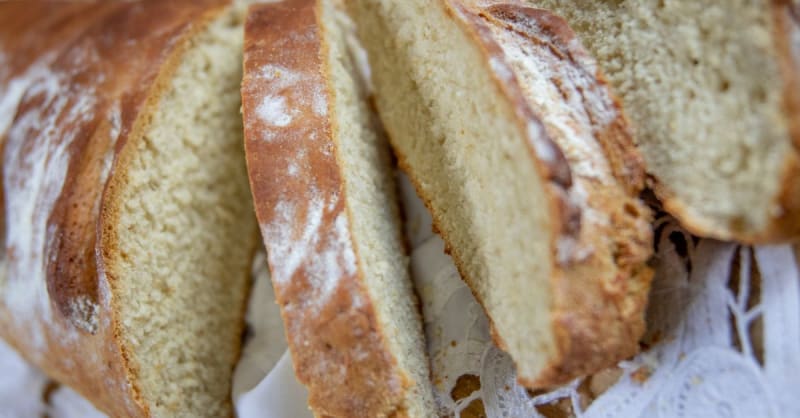
Unlike most whole food questions, the celiac answer for Rye Bread is clear-cut - and it isn't the one people hope for. Can people with celiac disease eat Rye Bread? Not safely, because rye itself contains gluten, and that makes standard rye bread off the table.
An estimated 3 million people in the US have been diagnosed with celiac disease, and for them, even small exposures can cause real symptoms and intestinal damage.
If you’re ranking forms from safest to riskiest, the order is pretty straightforward. Plain rye bread from a bakery or grocery store is risky right away because the grain is not gluten free. Packaged rye loaves are no better if they list rye flour, wheat flour, or malt ingredients. Flavored versions, like caraway rye, onion rye, or marble rye, can add more ingredient confusion.
Restaurant sandwiches on rye are often the riskiest, because the bread may be toasted on shared surfaces or assembled with shared utensils. I always tell people to treat rye bread as unsafe unless it has a verified gluten-free label, which is why Celiac Disease Foundation is such a helpful resource for label education.
If you want a safer bread category, look for certified gluten-free sandwich bread from Canyon Bakehouse or Schar instead of trying to make rye work.
Is It Naturally Gluten-Free?
Rye Bread is one of the grains that actually contains gluten - wheat's close relative in that regard. Rye is a cereal grain, and the storage proteins in the grain are what create the gluten network that gives bread its chew, rise, and structure. So the gluten risk doesn’t come from the color of the loaf or whether it looks rustic; it comes from the grain itself and the flour used to make it.
That’s why the safest question is not whether the loaf looks wholesome, but whether the ingredient list includes rye flour, whole rye, or rye meal. Working with celiac communities, I see this question come up every single week, especially when people spot dark breads that seem “healthier” than white sandwich bread.
To carry a gluten-free label in the US, a product must contain fewer than 20 ppm of gluten per FDA standards FDA gluten-free labeling rules.
If you’re shopping, look for a certified gluten-free label or a clearly labeled gluten-free bread alternative, because plain rye bread won’t qualify.
Common Gluten Risks
Rye bread carries a built-in gluten risk because the grain itself contains gluten, but the practical risk gets higher when you start looking at flavored versions and mixed bakery items. A plain loaf from a bakery case is not the same as a packaged bread with a full ingredient panel, and that difference matters when you’re trying to eat safely.
Here are the real-world traps I see most often. First, pumpernickel and dark rye often include rye flour plus wheat flour, which means the gluten load can be even less obvious than the name suggests. Second, seeded rye from brands like Pepperidge Farm or Arnold can still be made with wheat-based ingredients, so the label has to be read line by line.
Third, deli-style rye used for sandwiches may be brushed, sliced, or handled alongside wheat rolls and bagels, which adds another layer of risk. I’ve also seen people assume a bread is safe because it’s made with “whole grains,” but whole grain rye is still rye.
If you’re eating at a bakery, ask whether the rye loaf shares slicers or proofing racks with wheat bread, then scan for the exact words rye flour, wheat flour, or malt ingredients before you buy.
Cross-Contamination Risk
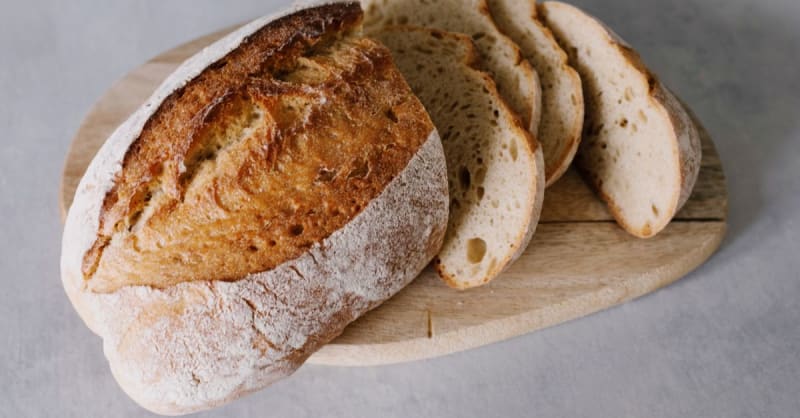
Cross contamination is where the Rye Bread gluten story gets complicated. Even if a loaf were made in a dedicated gluten-free formula, rye bread is often produced in facilities that also handle wheat bread, bagels, English muffins, and hamburger buns, and that shared space is a problem for anyone avoiding gluten.
Rye flour can drift onto mixers, slicers, cooling racks, and packaging lines, which is why cross contamination matters so much here.
I’ve seen this most often with bakery rye, deli-sliced rye, and sandwich loaves that are packed in the same plant as wheat-heavy products. A bakery that makes marble rye next to challah or hoagie rolls can create a cross contamination problem long before the bread reaches the shelf.
Beyond Celiac has good plain-language resources on how shared equipment raises the risk Beyond Celiac. And yes, cross contamination can happen even when the ingredient list looks simple.
For this food, I’d look for the words certified gluten-free and a gluten-free certification logo, then check whether the package says made in a dedicated gluten-free facility or processed on shared equipment.
What Is It?
Rye bread has a long history in European and Scandinavian kitchens, and it still shows up in American homes as a hearty sandwich bread, toast, or deli side. In the US, you’ll see it as pumpernickel, dark rye, seeded rye, and marble rye, often sold next to sandwich breads at mainstream stores.
I’ve found that people are usually drawn to it for the flavor and the denser texture, not because they’re looking for a gluten-free option.
Nutritionally, rye bread can bring more fiber than many white breads, plus B vitamins and a more filling bite. That said, those benefits don’t change the gluten story. Rye is a gluten-containing grain, so the bread made from it is not a substitute for gluten-free bread.
If you’re comparing breads for a gluten-free household, we often recommend checking the ingredient list first and then looking at the broader bread section with a careful eye.
Health Benefits
Fiber support: Rye bread can be a good source of dietary fiber, which may help with regularity and a steadier after-meal feeling. That said, the same benefit doesn't make it gluten free, so it's only useful for people who can tolerate gluten.
- Heart health angle: The fiber in rye bread may support heart health as part of an overall balanced eating pattern. In my experience, people like it because it feels more filling than soft white bread.
- B vitamin boost: Rye bread can contribute B vitamins, including niacin and thiamin, which help your body use energy from food. The exact amount varies by brand and whether the loaf is enriched.
- Satiety factor: The denser texture of Rye Bread can help some people feel satisfied with a smaller portion. That's one reason it shows up in open-faced sandwiches and hearty lunch plates.
- Blood sugar balance: Higher-fiber breads may have a gentler effect on blood sugar than refined bread for some people. Still, portion size and the rest of the meal matter a lot.
- Traditional flavor: Rye Bread adds a tangy, earthy taste that works well with smoked salmon, mustard, or turkey. We often recommend it to people who want more flavor without piling on extras.
- Versatile base: Rye Bread can anchor a sandwich or toast topping without needing much else. If gluten isn't a concern, it's a practical pantry staple for quick meals.
Bottom Line — Is Rye Bread Gluten Free?
The question was whether Rye Bread is gluten free. The answer is no - but you have options. Regular rye bread contains gluten, and for people with celiac disease or gluten sensitivity, that means it doesn't belong on the plate. If you're at a friend’s house, the single best thing you can do is ask to see the package or ingredient list before you take a bite.
That one habit saves a lot of guesswork, and it’s the same habit I use myself when the bread basket shows up unexpectedly.
Editorial Process
This article was written and reviewed by the Gluveto Editorial Team for factual accuracy, gluten-free safety, and alignment with current FDA labeling guidance.
We reference trusted organisations including the Celiac Disease Foundation and the FDA when evaluating foods and ingredients.


